What Fear Does to Alliances: Saudi Arabia, Pakistan and Turkiye Sign Joint Defence Pact
Saudi Arabia is not signing this pact out of confidence. It is signing it out of fear, because the same Washington security umbrella it has relied on for decades has shown itself, again, to be unreliable the moment consequences actually arrive at Saudi shores.
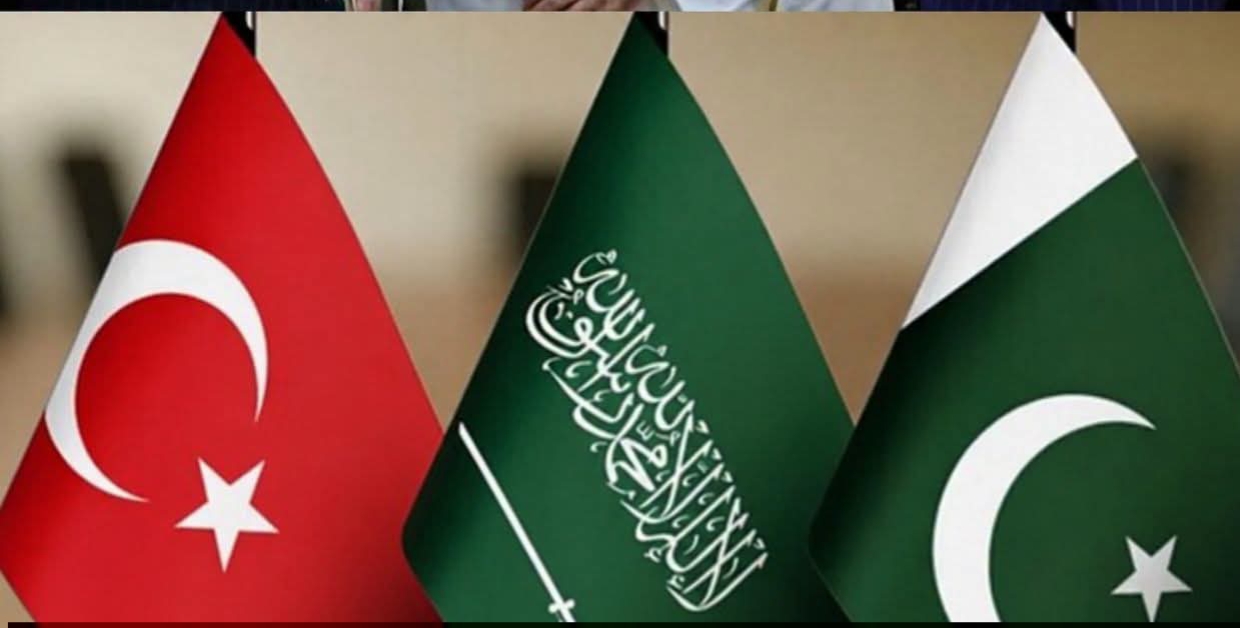
Saudi Arabia, Turkiye and Pakistan have just signed the Mecca Joint Defence Agreement, binding the three largest Muslim majority states under one security umbrella for the first time. An attack on one is now an attack on all.


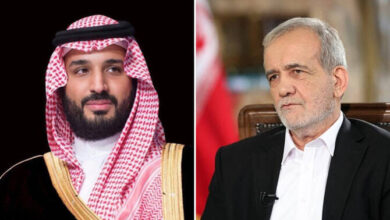
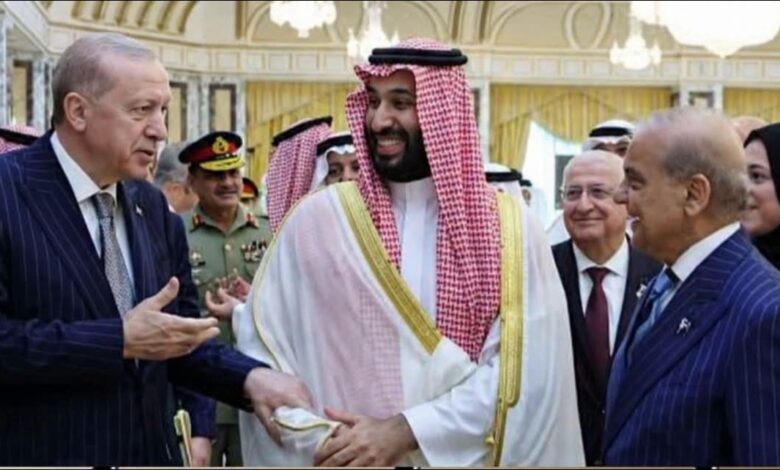
Signed in Islam’s holiest city, with Mohammed bin Salman, Erdogan and Shehbaz Sharif standing shoulder to shoulder, it is being sold as a historic show of Muslim unity.
However, read the timing instead of the headline.
This deal lands five months into a war Israel and America started, a war that has already dragged Gulf oil exports into crisis, choked shipping through the Strait of Hormuz, and left Riyadh openly bracing for coordinated strikes from Iraqi militias and the Houthis.
Saudi Arabia is not signing this pact out of confidence. It is signing it out of fear, because the same Washington security umbrella it has relied on for decades has shown itself, again, to be unreliable the moment consequences actually arrive at Saudi shores.
Pakistan brings the one thing Riyadh cannot manufacture on its own, a nuclear deterrent, and that is precisely why this pact matters more than the diplomatic language suggests.
Here is the contradiction nobody in Mecca wants to say aloud.
This is a defence pact between American allies, dressed up in the language of Islamic solidarity, at the exact moment Iran, the one regional power that has taken the fight to Israel and the US directly, remains outside the tent.
Turkiye postures as a mediator on Gaza. Pakistan postures as a mediator on the Iran war. Yet both are now formally binding their security to a Saudi monarchy that has spent this entire conflict hedging between Washington’s demands and its own survival.
Muslim unity built to insulate Gulf monarchies from the fallout of a war launched by their own patron is not unity. It is self-preservation with better branding.
Iran did not need a trilateral pact to keep fighting after its Supreme Leader was assassinated in February. It absorbed the strike, kept its programme, and kept negotiating from where it stood.
Compare that to the sight of three of the region’s most powerful states rushing to sign paper promises because they are terrified of what happens next.
Real deterrence was never for sale. Riyadh just found that out the hard way.