Iran damages U.S. military assets, Including F-35 jets, after retaliatory strikes on US bases
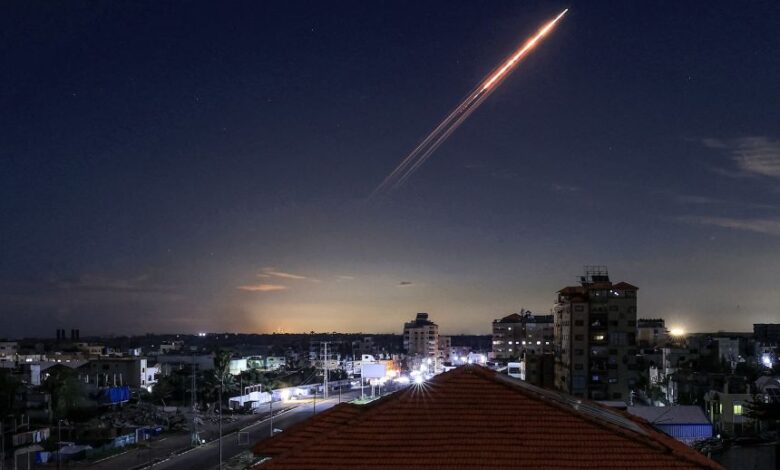
Iran’s official accounts claim that the attacks damaged a “large number” of U.S. fighter aircraft, including F-35 jets, and hit key installations at the base.
Tensions in the Middle East escalated shortly after the United States carried out new airstrikes on Iranian military facilities, prompting swift retaliatory attacks from Tehran.

U.S. officials said the strikes targeted Iranian military sites in response to the downing of an American Army helicopter in the Strait of Hormuz. The incident further strained an already fragile ceasefire arrangement between the two countries.
Shortly after the U.S. operation, Iran launched retaliatory strikes, according to Iranian state media. Reports said Iranian forces targeted U.S. military bases in Kuwait, Bahrain and Jordan.
Iran’s Islamic Revolutionary Guard Corps (IRGC) said it had struck U.S. military bases in the Middle East in retaliation for recent American strikes, claiming significant damage to U.S. fighter jets and infrastructure, including facilities hosting F-35 warplanes.
According to statements carried by Iranian state media, the IRGC launched a series of ballistic missile and drone attacks targeting U.S. military facilities in Jordan, Kuwait and Bahrain on Thursday. The Al-Azraq Air Base in Jordan, which hosts American F-35, F-15 and F-16 fighter jets, was singled out in Iranian reports. Tehran said its missiles hit hangars and command centres there, describing the strikes as a direct response to U.S. military action.
Iran’s official accounts claim that the attacks damaged a “large number” of U.S. fighter aircraft, including F-35 jets, and hit key installations at the base.
The IRGC also said it struck 18 U.S. military targets in Kuwait and Bahrain, including major air bases and communication and defence facilities affiliated with the U.S. Fifth Fleet.
Earlier this week, the U.S. carried out its own strikes on Iranian air defence, radar and military infrastructure near the Strait of Hormuz following the downing of an American Apache helicopter in the strategically vital waterway. That action marked a sharp escalation in hostilities and strained a fragile ceasefire.
Regional Military and Political Repercussions
The reported exchange of strikes has heightened tensions across the Gulf region. Kuwait and Bahrain activated air defences and warned residents to take shelter amid the aerial engagements, while Jordan said it intercepted several missiles fired toward its territory.
U.S. military officials, who never admitted many deep damages inflicted upon their country by Iran in the ongoing war, have so far said that most Iranian missiles and drones were intercepted by allied defences. There have been no confirmed US reports of personnel casualties at this stage, and it official statements on actual equipment losses remain limited, but Iran has officially confirmed the development.
The unfolding events risk undermining diplomatic efforts aimed at stabilising the region and preventing a broader conflict. Both Washington and Tehran have issued stark warnings, with Iran vowing continued military operations if it deems U.S. actions as hostile.