CENTCOM reportedly advised halt to Hormuz strikes as campaign ‘ran its course’ — Kim Tean
*Reacts: “The generals knew. The politicians didn’t”
According to him, while military operations could degrade an adversary’s naval capabilities, they could not necessarily guarantee control over a strategically important waterway such as the Strait of Hormuz.
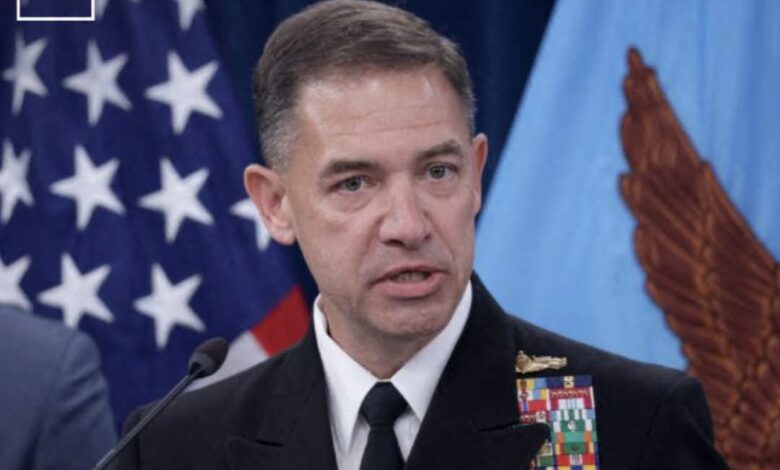
The United States Central Command (CENTCOM) reportedly advised the Pentagon, the Joint Chiefs of Staff and the White House that the military campaign around the Strait of Hormuz had largely reached the limits of its effectiveness, according to international commentator and politician Kim Tean.


Tean, reacting to the reported position attributed to CENTCOM chief Admiral Brad Cooper, said military assessments had indicated that continuing the bombing campaign without a decision to escalate into a broader conflict would have little strategic value.
“The generals knew. The politicians didn’t,” Tean said, describing the situation as a classic example of the limitations of coercive airpower.
According to him, while military operations could degrade an adversary’s naval capabilities, they could not necessarily guarantee control over a strategically important waterway such as the Strait of Hormuz.
Tean claimed that Admiral Cooper had indicated that the campaign had struck thousands of targets and left Iran’s fleet unable to operate effectively. However, he argued that disabling naval assets was different from establishing permanent control over the sea.
“This is the paradox of coercive airpower,” Tean said. “You can degrade a navy, but sea denial is not sea control.”
He suggested that the campaign eventually confronted military planners with a difficult strategic choice: either escalate the conflict into a wider war or bring the strikes to an end.
Tean further stated that US President Donald Trump paused the strikes after 13 consecutive nights, while Omani-mediated discussions with Iran concerning the reopening of the Strait of Hormuz reportedly began making progress.
According to him, the development demonstrated the limits of military force and the importance of diplomacy in resolving disputes over strategic waterways.
“The lesson isn’t new. It’s the oldest one in the maritime playbook: you can sink ships and flatten sites, but you cannot bomb a strait open,” Tean said.
He added that reopening the strategic waterway would ultimately require negotiation or, alternatively, occupation, underscoring his view that military action alone could not resolve the crisis.