Unfinished roads, Agberos and the deepening hardship under Tinubu’s government
By SHERIFDEEN ABBAS

“For millions of citizens, economic reform is difficult to appreciate when transport fares remain burdensome, food is increasingly unaffordable, electricity supply is unreliable and roads remain under construction for prolonged periods. The challenge before the Federal Government and APC-led state governments is therefore not simply to announce projects or defend policies. It is to demonstrate that governance produces real benefits for ordinary people.”
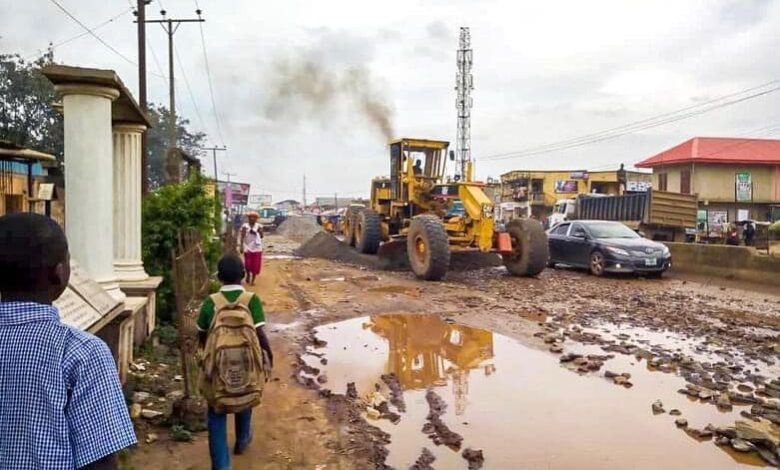
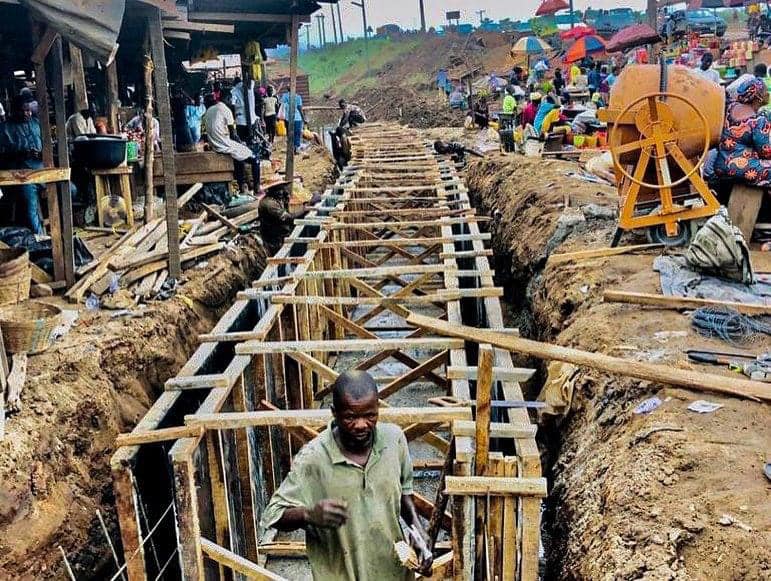
Nigeria’s development challenges raise serious questions about governance, public accountability and the welfare of ordinary citizens. Across parts of the country, including states controlled by the All Progressives Congress (APC), road construction projects have been announced, construction sites opened and grounds excavated, yet residents continue to complain about unfinished projects and the inconveniences they cause.
The question is simple: When did basic social amenities become political instruments rather than essential services that governments owe the people?
Healthcare, education, electricity, good roads, affordable transportation and accessible markets are not privileges to be enjoyed only when a political party considers it convenient. They are fundamental requirements for a functioning society. Governments collect revenue and exercise public authority to provide these services, not to use them as political bargaining chips.
The situation becomes more troubling when transportation and markets appear to operate under the influence of agberos and other non-state actors, particularly in Lagos and Ogun states. Allegations of intimidation, extortion and the exercise of authority by touts raise concerns about public safety, the rule of law and the protection of ordinary citizens.
Where touts are perceived to wield more practical authority in certain public spaces than the constitutional police, governments must examine the circumstances that allow such a situation to persist. The police and other lawful agencies must be empowered to enforce the law impartially, while transport unions and market associations must operate within established legal boundaries.
No group should be allowed to exercise authority over public transportation and markets in ways that undermine the rights, safety and dignity of citizens.
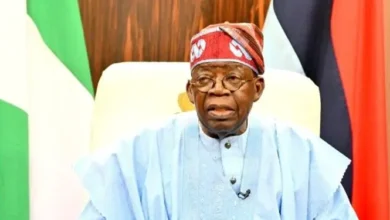
President Bola Ahmed Tinubu’s long political association with Lagos makes his administration’s approach to these concerns particularly relevant to public debate. Critics have argued that the political structures associated with his years in Lagos helped entrench the influence of street-level transport operators and informal power brokers. However, the responsibility for regulating transportation, protecting markets and maintaining law and order rests with the relevant governments and lawful authorities.
The economic consequences of the Tinubu administration’s policies have also intensified public concern. The removal of petrol subsidies and the devaluation of the naira have contributed to significant cost-of-living pressures, affecting transportation, food prices, household purchasing power and the cost of doing business. While the government has defended its reforms as necessary to address longstanding economic problems, Nigerians continue to demand tangible relief and measurable improvements in their living conditions.
For millions of citizens, economic reform is difficult to appreciate when transport fares remain burdensome, food is increasingly unaffordable, electricity supply is unreliable and roads remain under construction for prolonged periods.
The challenge before the Federal Government and APC-led state governments is therefore not simply to announce projects or defend policies. It is to demonstrate that governance produces real benefits for ordinary people.
Roads should be completed, hospitals should function, schools should provide quality education, and transportation and markets should be safe spaces where citizens can work and earn a living without intimidation.
Ultimately, Nigerians need governance that delivers public services, protects them from unlawful coercion and eases their hardship—not a system in which access to basic amenities and the freedom to conduct everyday activities become matters of political influence.