WHEN JUSTICE IS REPLACED BY MOB: The urgent need to protect innocent lives in Nigeria
By MALLAM IBRAHIM AGUNBIADE
agunbiadeib@gmail.com


These incidents remind us that a society where accusations replace evidence is a society where nobody is truly safe. Today it may be one person falsely accused; tomorrow it could be another innocent citizen.
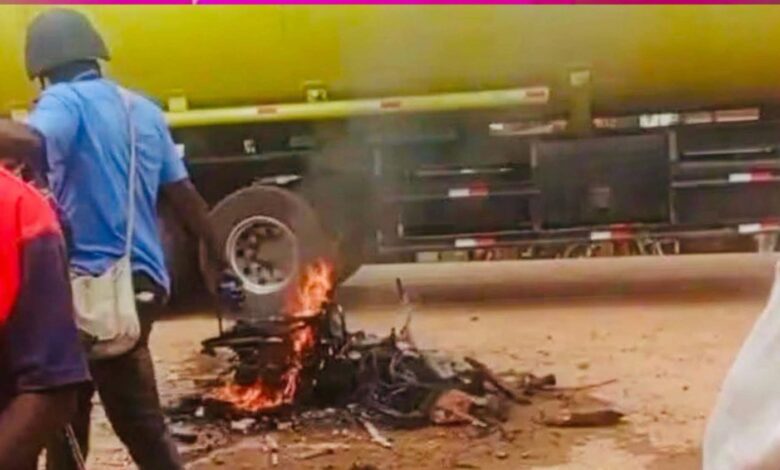
The brutal killing of Malama Ummulkhair, a respected Islamic teacher and mother of four in Maraban Jos, Kaduna State, is not just another tragic incident; it is a painful reminder of the dangerous consequences of jungle justice, misinformation, and the failure of society to uphold the rule of law.

According to reports, Malama Ummulkhair was accused of attempting to steal children, an allegation that was never verified before a mob descended on her. She was reportedly rescued by security operatives and taken into police custody. Still, the situation took a horrifying turn when an angry crowd allegedly overwhelmed the security presence, dragged her away, and killed her.
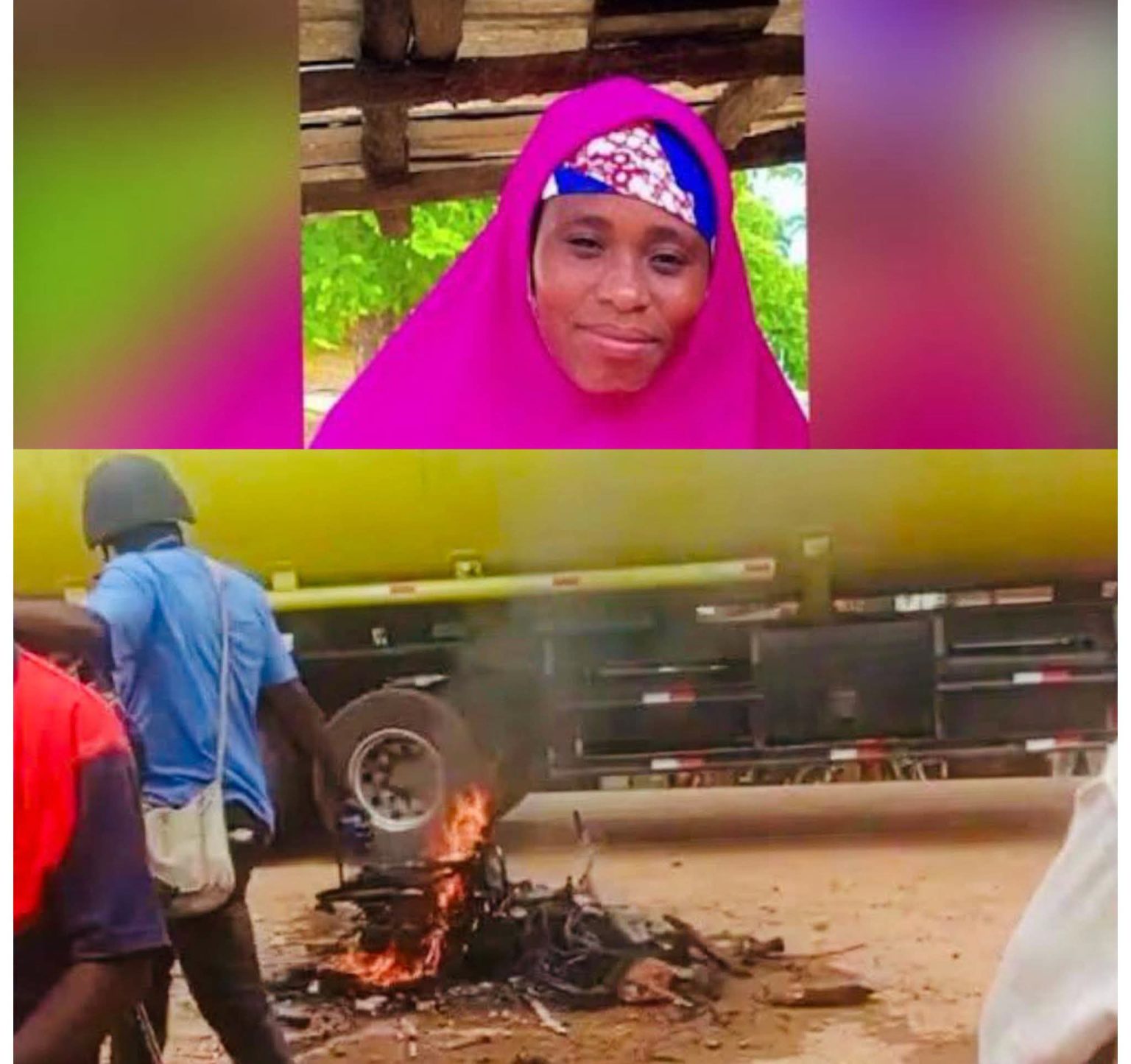
A woman who left her home to attend an Islamic programme, after receiving farewell words from her husband, never returned. A mother who dedicated her life to teaching and nurturing children became a victim of the very society she served.
This incident raises serious questions that Nigerians must confront. How can an unverified accusation become a death sentence? Who gave anyone the authority to act as judge, jury, and executioner? And most importantly, how did a person already in police custody become accessible to a mob?
Those responsible for this horrific act must face the full weight of the law. Every individual found to have participated in the killing should be prosecuted according to the provisions of the law. Equally, any security personnel whose negligence, compromise, or failure of duty contributed to the breakdown of protection must be investigated and held accountable.
The protection of citizens in custody is a fundamental responsibility of security agencies. If people can be removed from police protection by a mob, then it represents a dangerous threat to the foundation of justice in the country.
The government should also consider meaningful support for the children left behind by Malama Ummulkhair. As a matter of compassion and responsibility, her children should receive comprehensive educational support, including scholarships that cover their schooling needs, welfare, and future opportunities. This would not bring their mother back, but it would demonstrate that the society she served has not abandoned them.
Beyond justice, there is also a need for remembrance. Malama Ummulkhair’s name should not be lost in statistics. Appropriate steps should be taken to honour her memory, including considering the renaming of a significant public institution or facility connected to the pursuit of justice and peace in her community.
Sadly, Nigeria has witnessed similar tragedies where accusations, rumours, and mob anger have ended innocent lives. The killing of Deborah Samuel, a student who was lynched by a mob following accusations linked to religious sentiments, remains a painful example of how dangerous collective anger without due process can become.
These incidents remind us that a society where accusations replace evidence is a society where nobody is truly safe. Today it may be one person falsely accused; tomorrow it could be another innocent citizen.
The government, religious leaders, community elders, and every responsible citizen must continue to speak against jungle justice. Faith, culture, and civilisation all demand justice, not violence. No allegation, no matter how serious, gives anyone the right to kill.
Malama Ummulkhair’s death must not become another forgotten tragedy. It must become a turning point, a moment when Nigeria chooses law over lawlessness, justice over vengeance, and humanity over mob brutality.
May her soul rest in peace, and may her family find strength and justice.