Sharia Debate Resurfaces in U.S. Politics Amid Congressional Tensions
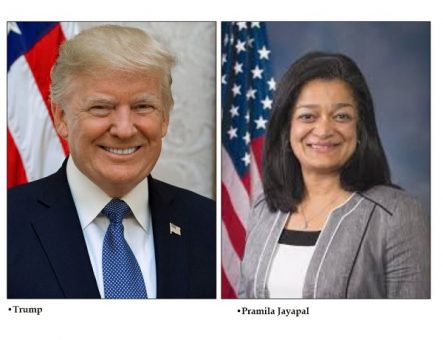
President Donald Trump reignited controversy during his 2015 campaign when he called for a temporary ban on Muslims entering the United States, alleging security concerns and referencing polling about Sharia. He characterised Sharia in harsh terms, associating it with violence and extremism.
The term Sharia has once again taken centre stage in American political discourse, stirring debate in Congress and beyond as lawmakers clash over religious freedom, immigration and national identity.


According to an Encyclopaedia Britannica entry by Noel James Coulson, Sharia represents the fundamental religious concept of Islam, embodying what Muslims believe to be God’s command and a system of duties guiding religious and moral conduct. It derives from four principal sources: the Qur’an, the Sunnah (the traditions and practices of Prophet Muhammad), Ijma (scholarly consensus) and Qiyas (analogical reasoning).
At a U.S. House Judiciary Committee hearing on May 13, 2026, themed “Sharia-Free America,” Amanda Tyler, Executive Director of the Baptist Joint Committee for Religious Liberty, described Sharia as a set of religious practices comparable to laws followed by adherents of other faiths. She said it primarily guides personal religious observance such as prayer, dress and dietary restrictions.
Islamic scholars and institutions similarly describe Sharia as a comprehensive ethical and moral framework governing worship, personal conduct, business transactions and social relations.
A significant component of Sharia is Islamic finance, which prohibits interest-based transactions and emphasises ethical investment.
The UK-registered Academy for International Modern Studies notes that Islamic banking rejects profit derived purely from interest and instead promotes transactions tied to tangible economic activity. The system also screens out sectors such as alcohol, gambling and pornography, framing its model as socially responsible finance.
The issue of debt and economic justice—often associated with Islamic finance principles—has also featured in global economic discussions. In the early 2000s, Nigeria secured substantial debt relief under the Heavily Indebted Poor Countries (HIPC) Initiative launched by the International Monetary Fund and the World Bank. Former President Olusegun Obasanjo had previously highlighted the burden of compound interest on developing nations, describing Nigeria’s escalating debt despite significant repayments.
Despite such economic and ethical dimensions, the word “Sharia” continues to evoke strong reactions in U.S. politics.
President Donald Trump reignited controversy during his 2015 campaign when he called for a temporary ban on Muslims entering the United States, alleging security concerns and referencing polling about Sharia. He characterised Sharia in harsh terms, associating it with violence and extremism.
Critics, however, argue that such portrayals misrepresent Islamic teachings. They point to Qur’anic verses that emphasise religious freedom, including Chapter 2, Verse 256, which states, “Let there be no compulsion in religion,” and Chapter 109, Verse 6, which affirms mutual religious coexistence.
During the May 13 hearing, Democratic Congresswoman Pramila Jayapal questioned witnesses about whether any legislation had ever been introduced to formally adopt Sharia law in the United States or whether American courts apply it in place of U.S. law. The response from Tyler to each question was “No.”
Jayapal criticised proposals by some Republican lawmakers to establish a “Sharia-Free Caucus” and to introduce immigration restrictions targeting individuals who adhere to Sharia, arguing such measures are based on misconceptions and risk undermining constitutional protections of religious liberty.
The broader debate has also drawn commentary from public figures. Veteran actor Richard Gere, speaking on Euronews English on June 2, lamented what he described as political divisions and civic disengagement in the United States, warning that democratic institutions require active public participation.
Observers note that the Sharia debate reflects wider tensions over immigration, religious diversity and the balance between national security and constitutional freedoms. While critics portray Sharia as incompatible with American values, religious liberty advocates maintain that existing U.S. laws already safeguard against the establishment of any religious legal system.
As congressional hearings continue, the controversy underscores the enduring potency of religion as a political issue in the United States.