Iran to hold funeral for slain security chief, vows vengeance
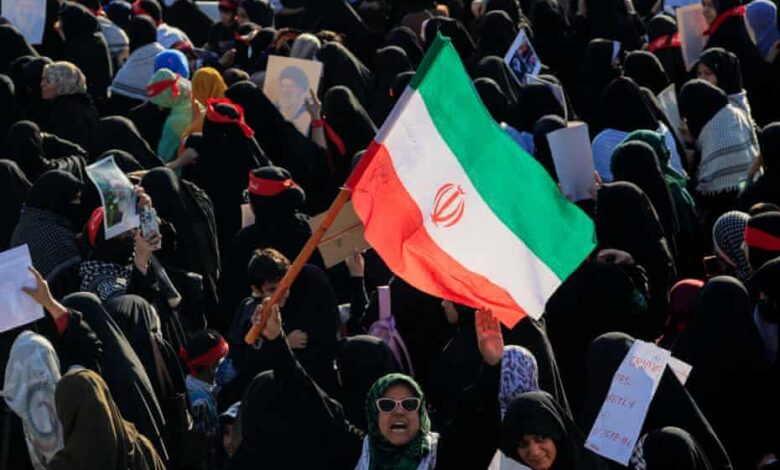
The slain Ayatollah’s funeral was due to be held days after he was killed, but that was later postponed indefinitely.
Iran will hold a funeral Wednesday for its security chief Ali Larijani as it vowed revenge, firing off a wave of missiles at Israel after it killed the powerful figure in an air strike.


A barrage of Iranian missiles killed two people near Israel’s commercial hub Tel Aviv, while Gulf nations intercepted rockets and drones headed for targets including US bases in the region.

In Lebanon, pulled into the Middle East war by Iran-backed Hezbollah, Israel conducted a wave of deadly strikes including in central Beirut, with AFPTV’s live broadcast showing plumes of smoke rising from one of the targeted areas.
According to Iran’s Fars and Tasnim news agencies, funerals for Larijani and another powerful figure killed by Israel, Gholamreza Soleimani, the head of the Basij paramilitary force, will take place from 1030 GMT in Tehran.
Their deaths were announced Tuesday.
Larijani is the most prominent figure of the Islamic republic killed since Israel and the United States launched their attacks on Iran on February 28, killing supreme leader Ayatollah Ali Khamenei and igniting a war across the Middle East.
The slain Ayatollah’s funeral was due to be held days after he was killed, but that was later postponed indefinitely.
“Iran’s response to the assassination of the secretary of the Supreme National Security Council will be decisive and regrettable,” Iranian army chief Amir Hatami said in a statement.
– ‘Only just begun’ –
Besides sending missiles and drones into Israel and Gulf nations, Iran has sought to extract a heavy toll on the global economy, including by driving up the cost of oil by all but closing the Strait of Hormuz, a crucial waterway for crude.
With oil still hovering around $100 a barrel, Iranian Foreign Minister Abbas Araghchi warned Wednesday that the global repercussions of the war “has only just begun and will hit all”.
As part o.f an effort to reopen Hormuz, where one-fifth of the world’s crude transits, the US military said it brought out some of the heaviest bombs in its arsenal to penetrate adjacent missiles sites