Tension as Nigerians anxiously await Supreme Court judgments over PDP, ADC crises
The outcome is expected to shape the trajectory of Nigeria’s political landscape, particularly as parties begin positioning ahead of the 2027 general elections.
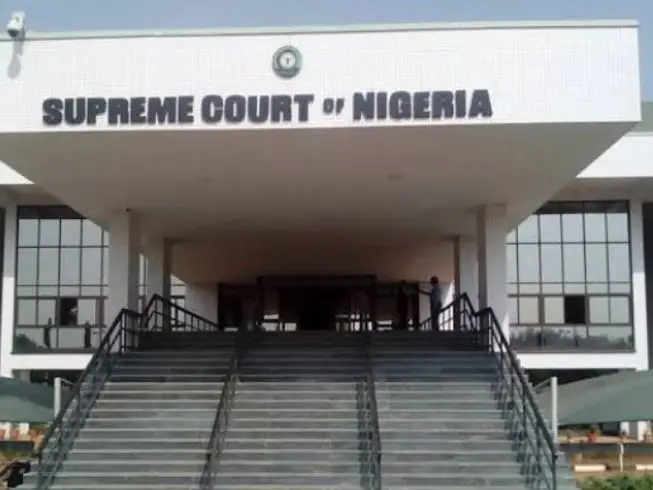
All eyes are on the Supreme Court of Nigeria as it prepares to deliver judgments in the lingering leadership disputes within the Peoples Democratic Party (PDP) and the African Democratic Congress, raising questions about the future of Nigeria’s multi-party system.
The apex court recently reserved judgment after hearing appeals filed by the two opposition parties, with a five-member panel led by Justice Mohammed Garba adjourning the cases to a date yet to be announced. The disputes have deepened political tensions, with stakeholders and supporters awaiting the outcome.
PDP Leadership Crisis
The PDP crisis stems from its controversial national convention held in Ibadan, which produced a national executive led by Tanimu Turaki. The exercise was challenged in court over alleged violations of party guidelines and the Electoral Act.
Party chieftains, including Austin Nwachukwu, had approached the Federal High Court to contest the legitimacy of the process, while former Jigawa State governor Sule Lamido also filed a separate suit challenging his exclusion.
Despite court orders restraining the convention, the party proceeded, citing a counter ruling from an Oyo State High Court. The Court of Appeal Nigeria later nullified the convention and recognised a rival faction aligned with allies of the Minister of the Federal Capital Territory, Nyesom Wike.
The Turaki-led faction subsequently approached the Supreme Court, arguing through its counsel, Chief Chris Uche (SAN), that lower courts lacked jurisdiction over internal party matters.
ADC Leadership Dispute
In the ADC, the leadership tussle intensified after the Independent National Electoral Commission withdrew recognition of a faction led by former Senate President David Mark, citing a court ruling.
The development sparked allegations among some party stakeholders that the commission’s actions were politically influenced. A rival faction led by Hon. Nafiu Bala Gombe has also laid claim to the party’s leadership.
Counsel to Mark, Jibrin Okutepa (SAN), urged the Supreme Court to uphold earlier precedents limiting judicial interference in party affairs, while opposing counsel, Robert Emukpero (SAN), argued that the appeal should be dismissed.
Broader Political Implications
The cases have generated widespread debate over their potential impact on Nigeria’s democracy, particularly concerns about a weakening opposition ahead of future elections.
With the ruling All Progressives Congress controlling a majority of states, analysts warn that prolonged crises within major opposition parties could undermine political competition and accountability.
Allegations have also emerged suggesting links between factions in both parties and figures within the APC, though such claims remain contested.
Awaiting Verdict
As Nigerians await the Supreme Court’s verdict, political observers say the rulings could either reinforce internal party autonomy and strengthen opposition politics or deepen existing divisions within the parties.
The outcome is expected to shape the trajectory of Nigeria’s political landscape, particularly as parties begin positioning ahead of the 2027 general elections.