Sultan Abubakar becomes first Honourary Fellow Nigeria Institute of Management
By KEMI KASUMU
Sultan Abubakar wondered why after decades of application of management, Peter Drucker’s modern management by objectives principles have not resulted into rapid socioeconomic growth and development in Nigeria and Africa.
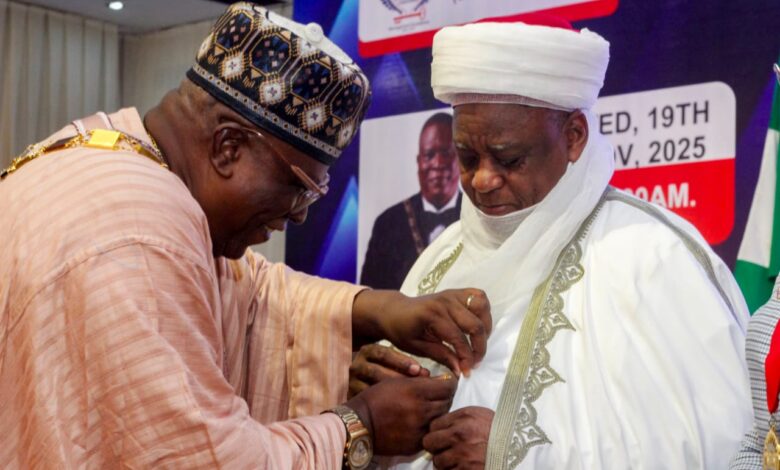
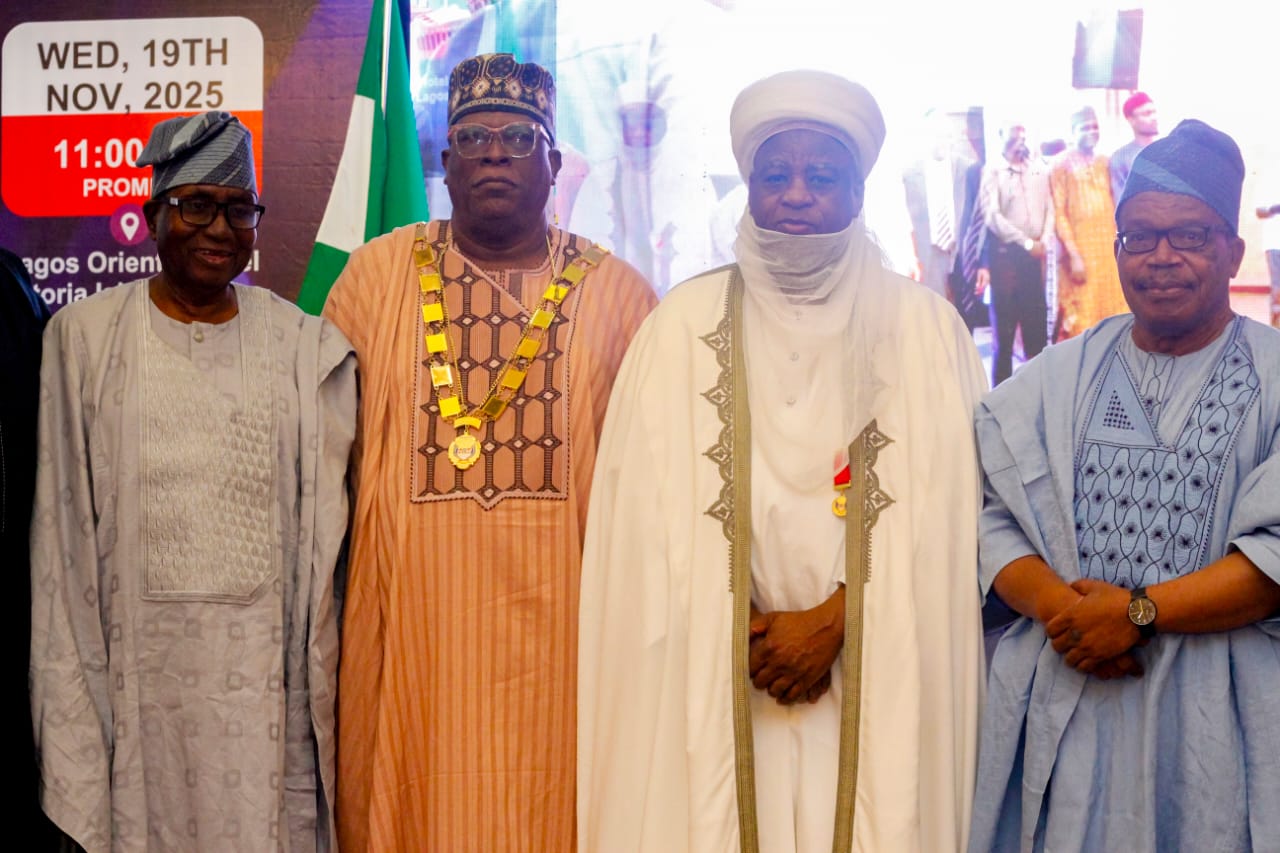
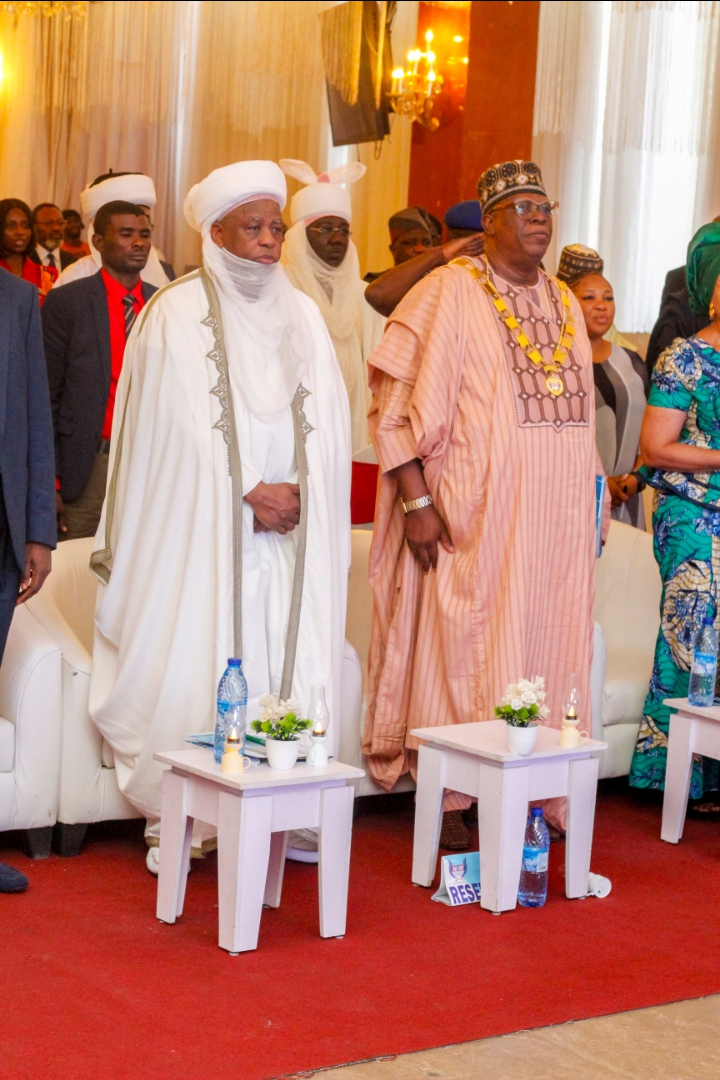
A new chapter has been opened as the Nigerian Institute of Management (Chartered) bestows the Leader of Muslims of Nigeria, Sultan of Sokoto Alhaji Muhammad Sa’ad Abubakar, CFR, mni, with the institute’s first ever honourary fellowship award.
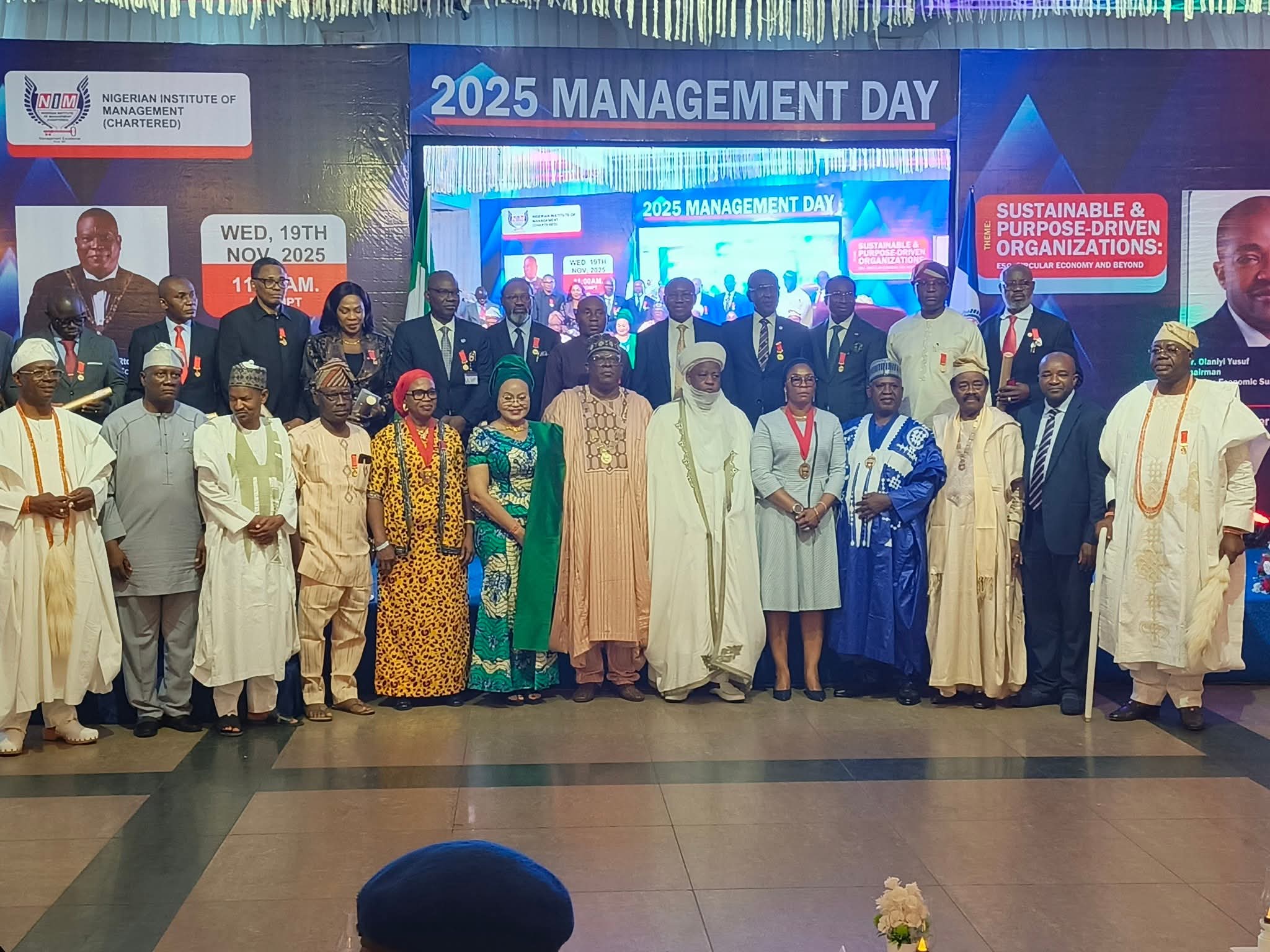
This was as the 2025 Management Day Lecture and Conferring of Honourary Fellowship, held in Oriental Hotel, Victoria Island, Lagos on Wednesday November 19, 2025.
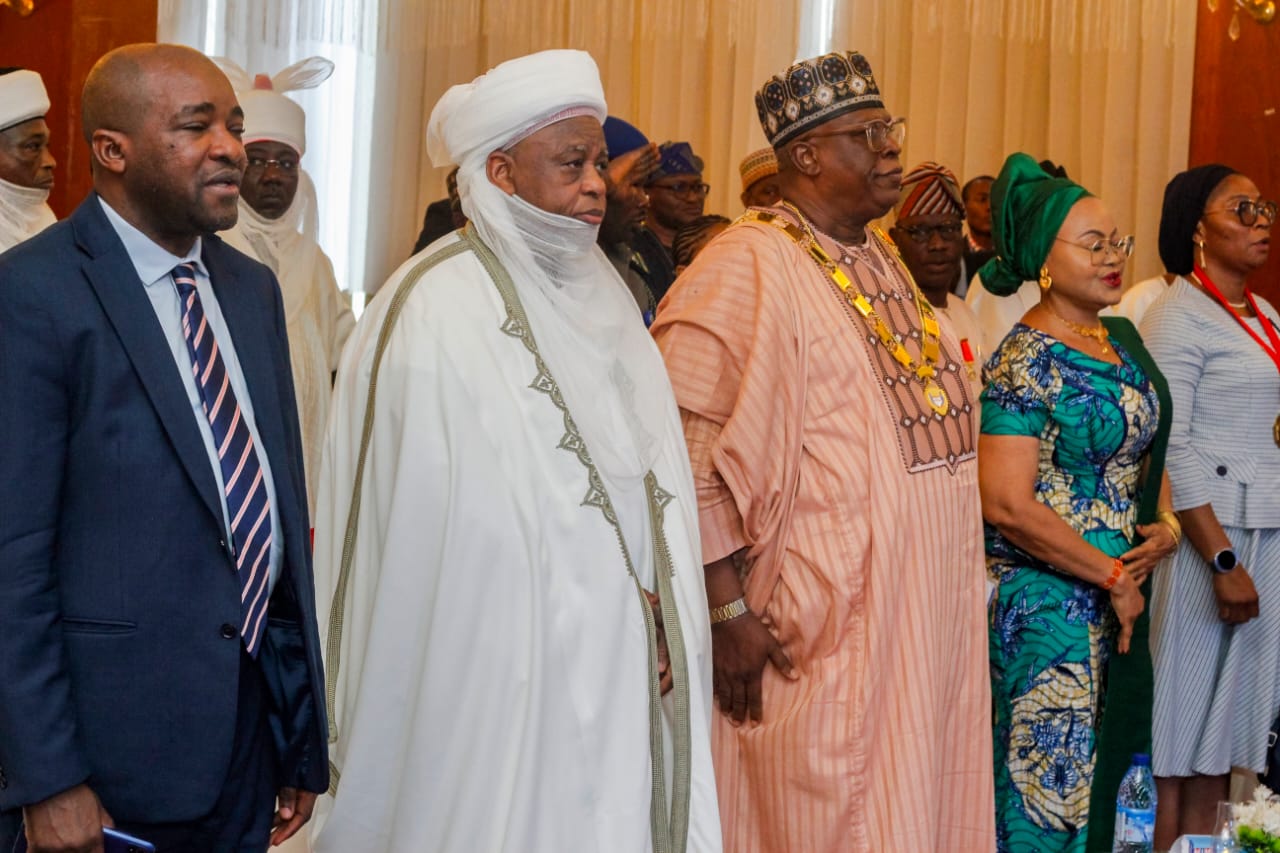
The event, an annual intellectual gathering also held to honour creator of management globally – Peter Drucker – showcased NIM’s leadership in driving excellence, sustainability, and ethical governance across Nigeria’s public and private sectors.
Themed, “Sustainable and Purpose-Driven Organisations: ESG, Circular Economy and Beyond,” the occasion was declared open by the MIM’s President and Chairman of Council, Commodore Abimbola Ayuba (Rtd), FNIM, fdc, who proposed that 19th November be officially recognised as a national day for the management profession the date being in common with father of management, Peter Drucker.
This year’s edition provided a dynamic platform for rethinking the future of organisational leadership in Nigeria.
The Nigerian Institute of Management (Chartered) reinforced its unwavering commitment to promoting world-class management practices as it hosted the 2025 Management Day Lecture.
While declaring open the ceremony, the NIM President, Ayuba, described the Institute as the nation’s symbol and custodian of management excellence.
Ayuba called on the Federal Government to officially declare November 19 as a national day to celebrate the management profession, noting that strong management practices were indispensable to building resilient institutions and a prosperous nation.
Managing Director of Verraki Partners and Chairman of the Nigerian Economic Summit Group (NESG), Mr. Niyi Yusuf, in his keynote lecture, explored the fast-rising global prominence of ESG principles and the circular economy.
Yusuf noted that the global ESG investment market, currently valued at US$35.48 trillion, was projected to reach an extraordinary US$167.49 trillion by 2034, a signal that sustainability had become an essential driver of organizational relevance.
He observed that Nigeria was making progress with existing governance codes but stressed the need for stronger enforcement and coordination, reiterating that ESG should be viewed not as a cost but as a long-term investment in organizational longevity.
While acknowledging Africa’s climate-related vulnerabilities, Yusuf said the continent also stands before immense green investment opportunities if decisive action is taken, declaring that the task before Nigeria goes beyond economic development to nurturing a stronger moral foundation.
“Profit sustains an organization, but purpose sustains a nation,” he concluded.
One of the major highlights of the day was the conferment of Fellowship on distinguished professionals who had met the Institute’s rigorous criteria.
The new Fellows, who were urged to uphold the highest standards of professionalism and to remain worthy ambassadors of the Institute, were drawn from across sectors of the economy.
In a historic moment, the Institute conferred its first-ever Honourary Fellowship on His Eminence Alhaji Muhammad Sa’ad Abubakar, CFR, mni, the Sultan of Sokoto and President General of the Nigeria Supreme Council for Islamic Affairs (NSCIA), in recognition of his exceptional leadership and contributions to national development.
The event also featured the presentation of long-service Awards to staff who had dedicated a decade or more to the Institute’s growth and strategic influence. It was complemented by cultural performances and other attractions that added colour to the day’s proceedings.
At the close of the 2025 Management Day, the Nigerian Institute of Management reiterated its resolve to continue championing ethical leadership, sustainable development, and globally competitive management standards through its training programmes, advocacy initiatives, and thought leadership platforms.
The Institute affirmed its commitment to remain at the forefront of shaping effective, purpose-driven and future-ready organisations in Nigeria.
At the event, the Sultan was honoured along with Governor of Lagos State, Mr. Babajide Sanwo-Olu, who was said to be inevitably absent but was represented by Secretary to the State Government, Abimbola Salu-Hundeyin.
Giving his acceptance speech at the event, Sultan Sa’ad Abubakar started with a call for prayers on recent terrorists dastardly act of
killing a General in Borno State and abduction of 25 girls in Kebbi State, and prayed “may the Almighty Allah forgive the departed and return the abducted girls home safely and bring peace to our nation.”
He stated that his attendance of the event was due to his belief in NIM’s critical role on effective and efficient management of human and material resources it plays in shaping socio-economic development of organisations and nations.

He added that the Nigerian Institute Management’s President Ayuba, being his colleague in the military and member of NIREC encouraged him to attend after the UI Convocation of 17th November, 2025 to be close-by Lagos 19th which is also home to him.
The Sultan appreciated the award of honourary fellowship to him as the first recipient since NIM started in 1961 and admired the guest lecturer, Niyi Yusuf’s scholarly presentation of the chosen topic, “Sustainable and Purpose-Driven Organizations: ESG, Circular Economy and Beyond”.
Sultan Abubakar wondered why after decades of application of management, Peter Drucker’s modern management by objectives principles have not resulted into rapid socioeconomic growth and development in Nigeria and Africa.
He asserted that “It might not be unconnected with the abandonment of our very rich traditional management practices and glorification of modern western style management practices.”
This, he said, sharply contrasts with the trend in Asian countries where modern management is blended with indigenous practices for better results in harnessing and management of resources for the overall benefit of the society as seen in China, Japan, Malaysia and Singapore.
He said “it may interest people to know that much of the intellectual and material resources used to galvanise western industrial revolution emanated from Africa beginning with the 11th century intellectual expedition movement of African Almoravids that ruled Spain for 500 years laying solid foundation for educational development of Europe.”
This fact was recently admitted by King Charles III during his visit to the Oxford University Center for Islamic Studies (OCIS) London of which the Sultan himself is a board member.
Governor of Lagos State was the second pioneer recipient of the NIM’s Honourary Fellowship award represented by his SSG. Commodore Abimbola Ayuba, President and Chairman of NIM Council, while appreciating Governor Sanwo-Olu’s love and commitment to the Institute, however, deferred the governor’s decoration to a later date convenient as, according to him, fellowship award of the NIM is not conferred by proxy.
Thirteen new fellows were also inducted by NIM President Commodore Abimbola Ayuba (Rtd).
The keynote speaker, Mr Niyi Yusuf, Managing Director of Verakki Partners and Chairman of the Nigerian Economic Summit Group (NESG), highlighted the transformative potential of ESG frameworks and circular economy principles for Nigeria’s economy.
“The purpose of management is to make society work”, said Peter Drucker, father of management, according to the guest speaker.
He stressed that profit sustains organisations, but purpose sustains the nation, urging businesses to integrate sustainability into governance and operational processes.
He further noted that ESG should be seen as an investment in longevity rather than a cost, and that Nigeria must strengthen coordination and enforcement of ESG codes.
“The circular economy represents the next stage of industrial efficiency, while the global ESG market, projected to grow from US$35.48 trillion in 2025 to $167.49 trillion by 2034, offers significant opportunities for Nigerian enterprises,” he said.
It was a historic first as His Eminence Alhaji Muhammad Sa’ad Abubakar, CFR, mni, the Sultan of Sokoto Caliphate, became the first personality ever, home and abroad, to be conferred the NIM’s Honourary Fellowship Award, which MIM President Ayuba said was given to the beneficiary at no price but basically meritoriously.
For the Sultan and other that will henceforth become recipients of Honourary Fellowship Award of the Institute that is about the same age with independent Nigeria, they are recognised for their contributions to management excellence.
Long-service awards were presented to NIM staff who have dedicated ten years or more of meritorious service.
The Nigerian Institute of Management reaffirmed its ongoing commitment to promoting excellence in management practices, driving sustainable business, and supporting nation-building initiatives through its various programs and activities.
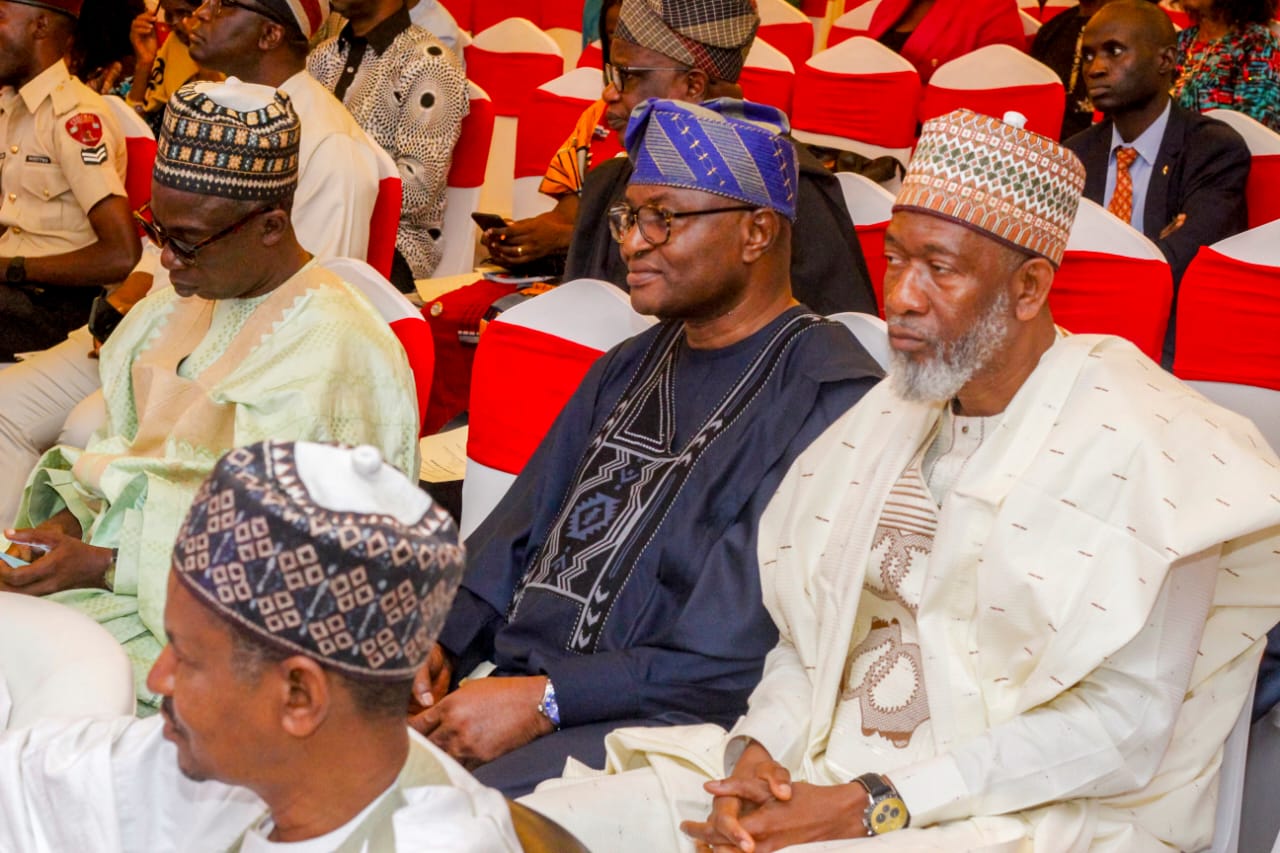
Also present were traditional leaders including the Alara of Ikara Kingdom, Lagos State, Oba Olufolarin Olukayode Ogunsanwo, Telade IV, Oba Olusegun Aderemi JP, the Atayero of Aramoko Ekiti and Safety Administrator, Sai Kilgori and Senior Counsellor Sultanate Council Sokoto, Alhaji Muhammad Jabi Kilgori, Sarki Fulani of Lagos, Alhaji Mohammed Abubakar Bambado II, Deputy President-General (South) Nigeria Supreme Council for Affairs (NSCIA), Alhaji Rasaki Oladejo, Deputy President I of the Muslim Ummah of South West Nigeria (MUSWEN), Alhaji Rafiu Adisa Ebiti, Deputy President II MUSWEN, Alhaji Thabit Wale Sonaike, NIM board members, leaderships of Ruxton Mosque Ikoyi, 1,000 Central Mosque Victoria Island and Lekki Central Mosque Lekki in Lagos State and personalities from public and private sectors.