Our call for Amupitan’s removal as INEC Chairnan not against Christian appointment, Shari’ah Council clarifies
*Denies religious bias, insists current INEC chairman must go
By KEMI KASUMU
The Council alleged that the brief linked current insecurity in Northern Nigeria to the 19th-century Jihad of Sheikh Uthman Dan Fodio and portrayed the country as facing religious extermination.
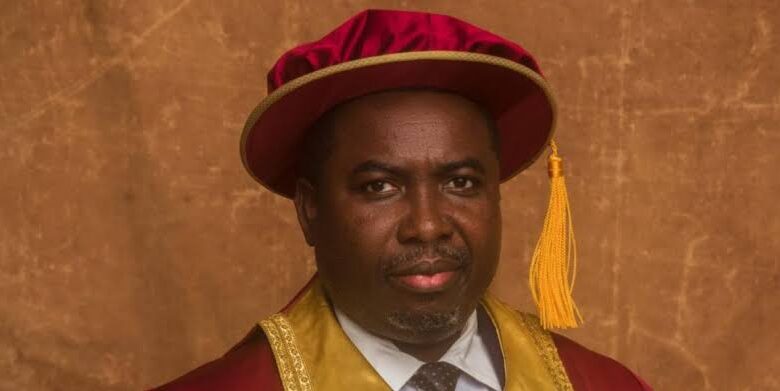
The Supreme Council for Shari’ah in Nigeria (SCSN) has issued a clarification on its recent resolution calling for the removal and prosecution of the Chairman of the Independent National Electoral Commission (INEC), Prof. Joash Ojo Amupitan, stating that the demand is based on concerns over impartiality rather than religious considerations.
In a press statement signed by its Secretary General, Malam Nafi’u Baba-Ahmad, and dated February 2, 2026 (14th Sha’aban 1447 AH), the Council addressed what it described as misrepresentations surrounding the resolution adopted at its pre-Ramadan conference held on January 28, 2026.
According to the SCSN, its position was informed by Prof. Amupitan’s alleged 2020 legal brief, which it said contained “toxic and provocative” claims of a “Christian genocide” in Nigeria.
The Council alleged that the brief linked current insecurity in Northern Nigeria to the 19th-century Jihad of Sheikh Uthman Dan Fodio and portrayed the country as facing religious extermination.
The Council argued that such representations, reportedly presented to foreign audiences, brought national embarrassment, reputational damage, financial costs—including expenses incurred to counter the narrative—and the risk of external interference in Nigeria’s internal affairs.
It said these consequences justified calls for resignation or removal in what it termed any responsible society.
Rejecting the genocide narrative as “fabricated,” the SCSN cited data it said showed Muslims as the majority of victims of violence across the country. It attributed insecurity to terrorism, banditry, and governance failures rather than religious persecution.
The council also dismissed claims that its stance was motivated by opposition to Christian leadership, noting that most past INEC chairmen have been Christians without attracting resistance from Muslims.
It stressed that its concerns relate strictly to accountability and constitutional responsibility.
The SCSN called for due constitutional processes to address any alleged liabilities and urged Nigerian Christians not to be swayed by what it described as divisive narratives.
It reaffirmed the Muslim Ummah’s commitment to peaceful coexistence, mutual respect, and justice for all Nigerians.