{OPINION} War narratives, propaganda and the Iran–US–Israel conflict
By NASRUDEEN ABBAS
“The less said about Israel the better, it’s defense systems have been rendered useless and it’s major centers such as Tel Aviv, Jerusalem and West Bank are being heavily bombarded by Iranian one- way drones and ballistic missiles.
Of course, Israel has blacked out reportage on damage and casualties. However, satellite imagery is showing extensive damage to infrastructure.”
Public opinion during wartime is often shaped as much by narratives as by events on the battlefield. A statement frequently attributed to Joseph Goebbels—the propaganda minister of Adolf Hitler in Nazi Germany—suggests that repeating a sufficiently large lie can eventually make people believe it. Whether quoted accurately or not, the idea is often invoked in discussions about modern political messaging and wartime propaganda.
CLICK HERE TO WATCH REAL DAMAGE ON US ASSETS
Supporters of this view argue that major powers and global media outlets have historically influenced how conflicts are perceived around the world. Critics frequently point to Western media organizations such as CNN, BBC and Fox News, accusing them of promoting narratives aligned with the geopolitical interests of the United States and its allies.
Competing narratives in the Iran conflict
In recent weeks, commentary surrounding tensions between Iran, Israel and the United States has highlighted how sharply divided these narratives can be.
Some commentators claim that Western governments and media outlets have portrayed the situation as a strategic success for Washington and Tel Aviv. However, critics argue that the situation on the ground may be more complex than the public narrative suggests.
According to these claims, Iran has inflicted significant damage on American and Israeli military infrastructure across the Middle East. Allegations circulating in alternative media and online commentary suggest that several U.S. military installations were targeted and that advanced missile-defense systems—including the THAAD missile defense system, Patriot missile system, David’s Sling and Iron Dome—have been challenged by Iranian missile and drone strikes.
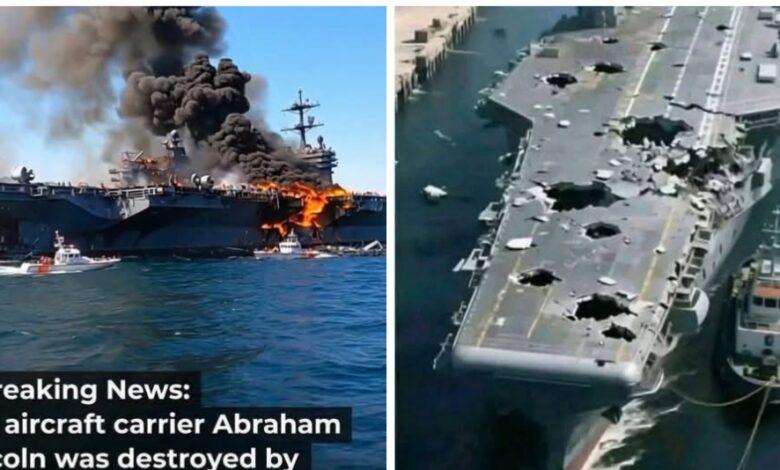
Unverified claims also suggest that the U.S. aircraft carrier USS Abraham Lincoln (CVN-72) sustained damage during the escalation and was forced to reposition farther from the Strait of Hormuz, a strategic waterway through which a large portion of the world’s oil supply passes.
Strategic waterways and military escalation
Some commentators further allege that Iran attempted to restrict shipping through the Strait of Hormuz, reportedly allowing vessels from countries such as China, Russia and Pakistan to transit while limiting others.
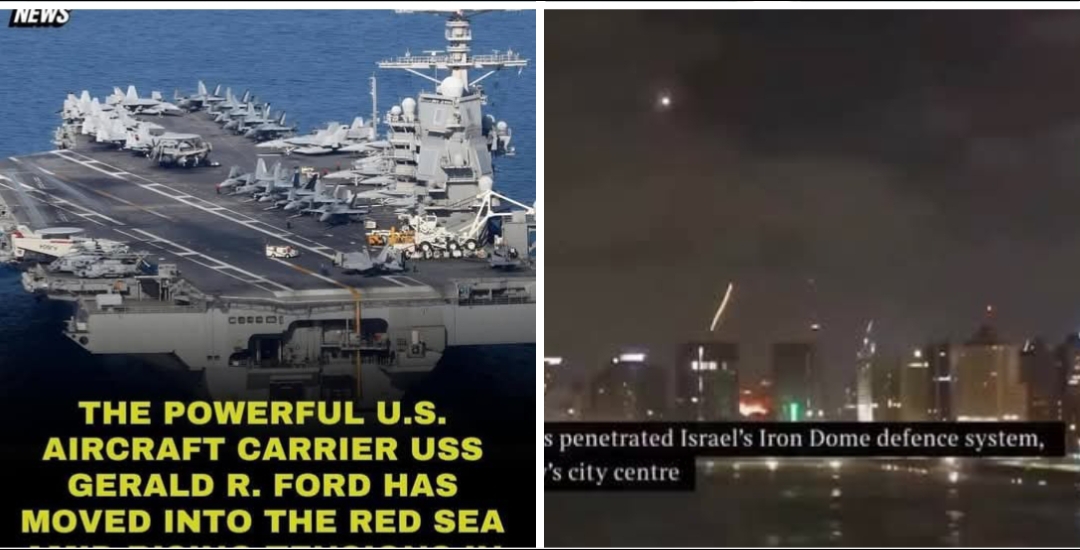
In response to the escalating situation, the United States reportedly reinforced its presence by deploying the aircraft carrier USS Gerald R. Ford (CVN-78), the newest and largest in the U.S. Navy fleet.
Critics of Israel’s military position also claim that cities such as Tel Aviv and Jerusalem have faced repeated attacks from Iranian drones and ballistic missiles, while damage and casualty figures remain difficult to independently verify.
The information battlefield
These competing claims illustrate how modern conflicts are fought not only with weapons but also with information. Governments tightly control wartime reporting, and media coverage often reflects national perspectives, strategic interests, or limited access to independent verification.
For observers, the lesson may be less about which side is entirely correct and more about the importance of critical thinking. In an era of rapid information flows, propaganda and misinformation can emerge from many directions—not only from governments but also from social media, partisan outlets and ideological groups.
As geopolitical tensions continue to rise across the Middle East, separating verified facts from political narratives remains one of the greatest challenges for audiences trying to understand what is truly happening on the ground.
As related by Umar Mohammed Nasiru, an observer of global event as regards Trump and Netanyahu’s propaganda, he said, “As Joseph Goebbels, the German Minister of Information once said; “If you tell a lie big enough and keep repeating it, people will eventually come to believe it”.
“This is what the United States specializes in with assistance from westen propagandist media such as CNN, BBC, FOX News etc…
Since the beginning of the Epstein Coalition war against Iran, led by Israel and the United States, propaganda has been used to portray United States – Israel victory.
“The situation on the ground is different; since Sunday, 01 March 2026, Iran has inflicted massive damage to the Israeli and United States military infrastructures.
“13 United States military bases in the middle east were destroyed.
The radar systems used to relay strategic intelligence information to US military was obliterated.
The Thaad, Patriot, David Sling, Mesh, Iron Dome missiles defence systems have been eviscerated.
“The USS Abraham Lincoln Aircraft Carreer was seriously damaged causing it to be relocated almost 600 kilometers away from the Strait of Hormuz where it was initially deployed to protect and ensure smooth passage of ships transporting oil to western countries.
“As things stand, Iran has seized and blockaded the Strait of Hormuz allowing only Pakistan, China and Russian cargo ships to pass through.
In response, the United States has deployed the USS Gerald R. Ford Aircraft Carreer, it’s largest so far.
“The damage to the Abraham Lincoln is the greatest inflicted on United States military assets since the Pearl Harbour in 1945 European War (mischaracterized as World War II).
“The less said about Israel the better, it’s defense systems have been rendered useless and it’s major centers such as Tel Aviv, Jerusalem and West Bank are being heavily bombarded by Iranian one- way drones and ballistic missiles.
Of course, Israel has blacked out reportage on damage and casualties. However, satellite imagery is showing extensive damage to infrastructure.
“Things are certainly not what they seem. We must always treat everything we hear or see from western media with a pinch of salt.”