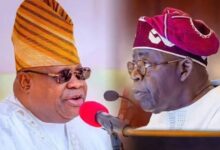
ATIKU AND AMAECHI: WHO ARE THESE MEN? – BY CHIEF AKIN RICKETTS
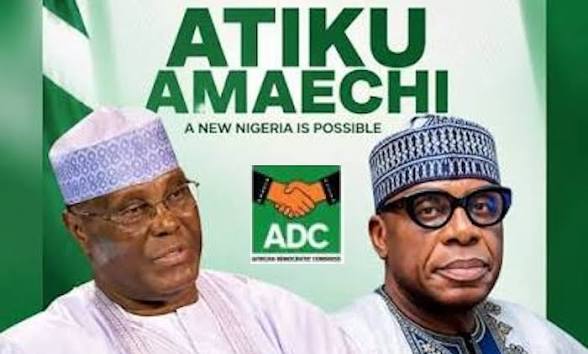
While Atiku reflects the early national blueprint of the modern Nigeria we once envisaged before it was later distorted by successive governments, Amaechi, on the other hand, reflects the governance and infrastructure execution structure of modern Nigeria.
In Nigeria today, few names stir positive and progressive conversations the way Atiku Abubakar and Rotimi Amaechi do. These men have, over time, established themselves as prominent political figures who have contributed and are still contributing to the progress and development of our dear nation, Nigeria.
From everyday political debates to late-night discussions in salons, campuses, and buses, their names usually come up over and over again because they sincerely represent the kind of leadership that truly understands the pulse of the Nigerian people.
MEET THE STANDARD BEARER, ALHAJI ATIKU ABUBAKAR
Atiku Abubakar is one of the key political figures of Nigeria’s return to democracy in 1999, when he served as Vice President of Nigeria under President Olusegun Obasanjo (1999–2007).
– Born in 1946 in Jada, Adamawa State,
– He began his public service in the Customs Service.
– He later transitioned into business and national politics.
– He played a role in Nigeria’s democratic consolidation era.
What makes Atiku stand out is his continued presence in national discussions, especially with regard to economic reform, federal structure, and national development direction.
For over two decades, he has remained part of Nigeria’s political conversation at the highest level.
MEET THE OTHER STANDARD BEARER, ROTIMI AMAECHI
Rotimi Amaechi represents a different, distinct strand of Nigerian politics, built through legislative leadership, executive governance, and federal administration.
Born in 1965 in Rivers State, Amaechi rose through state politics into national leadership, gaining experience across multiple levels of governance.
His track record to date is impressive:
– Speaker, Rivers State House of Assembly (1999–2007)
– Governor of Rivers State (2007–2015)
– Chairman of the Nigeria Governors’ Forum (NGF) – (2011 to 2015)
– Minister of Transportation (2015–2022)
As Governor, he was involved in political administration and state-level reforms – including tackling insecurity through a combination of enhanced funding for security agencies, improved law enforcement and socio-economic development.
As Minister of Transportation (2015–2022), he focused on national infrastructure development, overseeing major rail and logistics projects. These included progress on the Lagos–Ibadan standard gauge rail line, support for the Abuja–Kaduna rail operations, advancement of the Warri–Itakpe rail corridor, and broader efforts toward port and transport system modernization to improve national connectivity.
FINAL WORD
You may not completely agree with them.
But if you are honest, you will admit that:
They have left traces of development in whatever capacity they served, traces that, to this day, we can still see and feel.
They are individuals who possess a strong technical understanding of the issues affecting this nation.
While Atiku reflects the early national blueprint of the modern Nigeria we once envisaged before it was later distorted by successive governments, Amaechi, on the other hand, reflects the governance and infrastructure execution structure of modern Nigeria.
Together, these two figures remain relevant in the conversations about the better Nigeria we all envisage. More than that, they both possess the heart and passion to effect this much needed change that present day Nigeria loudly groans for and needs.
Anticipate!!!