Iran Announces Major Gas Discovery With More Than 7.5 Trillion Cubic Feet in Reserves
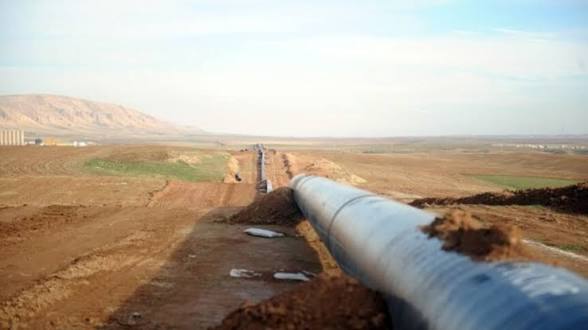
Iran is already one of the world’s major holders of natural gas resources, with the South Pars field serving as the backbone of its domestic gas supply. South Pars, located in the Persian Gulf and shared with Qatar’s North Field, is the world’s largest known gas field.
Iran has announced the discovery of a major natural gas field in the southern Fars Province, containing more than 7.5 trillion cubic feet (Tcf) of natural gas, in a development authorities say could significantly strengthen the country’s energy reserves.


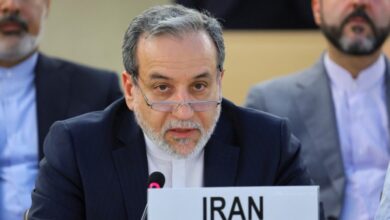
Iranian Oil Minister Mohsen Paknejad announced the discovery on Sunday, according to Iranian state media. He said about 5.7 trillion cubic feet of the newly discovered gas is estimated to be recoverable, based on a recovery rate of more than 72 per cent.
Paknejad said the recoverable volume is equivalent to the output of one phase of Iran’s giant South Pars gas field for about 15 years, underscoring the potential significance of the discovery for the country’s energy sector.
The minister described the newly discovered gas as “sweet gas,” meaning it contains very low levels of sulphur compounds. According to the Iranian authorities, the quality of the gas could help reduce development, processing and operating costs compared with gas containing higher levels of impurities.
The field also contains substantial quantities of gas condensates, which are valuable hydrocarbon liquids produced alongside natural gas. Paknejad said the combined resources could create tens of billions of dollars in new wealth for Iran.
While some reports have placed the potential value of the discovery at more than $165 billion, Iranian officials cited in the latest reports have more specifically described the condensates and associated resources as being worth tens of billions of dollars. The exact monetary value will depend on recoverable volumes, gas and condensate prices, development costs and future production.
The announcement comes at a difficult time for Iran’s energy industry, which has faced years of Western sanctions, underinvestment and infrastructure challenges, compounded by recent conflict that has disrupted parts of the country’s energy infrastructure.
Iran is already one of the world’s major holders of natural gas resources, with the South Pars field serving as the backbone of its domestic gas supply. South Pars, located in the Persian Gulf and shared with Qatar’s North Field, is the world’s largest known gas field.
The latest discovery therefore gives Tehran another potentially important source of gas and condensates at a time when the country is seeking to maintain energy production and address domestic supply challenges.
However, the discovery does not mean that the full value of the gas will immediately translate into revenue. Developing a large gas field requires substantial investment in drilling, processing facilities, pipelines and other infrastructure. Analysts cited in recent reports also noted that actual production from the new discovery could take years, particularly given Iran’s sanctions and financing constraints.
For Iran, the discovery nevertheless represents a potentially significant addition to its hydrocarbon base and could strengthen its long-term energy security, provided the country can secure the investment and infrastructure required to bring the resources into production.
The announcement also comes as global attention remains focused on Iran’s energy sector and the strategic importance of its oil and gas resources amid continuing geopolitical tensions in the Middle East.