Workers cry out over new tax laws as Inflation hits wages hard
By Khubayb Adefaka
Anger is mounting across Nigeria following the implementation of new tax laws that workers say have sharply reduced their take-home pay at a time when inflation and living costs are already at crushing levels.
From government ministries to private factories and offices, January salary slips have triggered widespread frustration and anxiety.
Many workers report unexpected deductions that have left them struggling to cover basic expenses, deepening fears of worsening poverty among wage earners.
Employees who spoke across several sectors said the new deductions were introduced without adequate notice or cushioning measures.
For households already stretched thin, the reduced earnings have intensified financial pressure.
The situation is compounded by rising food prices, higher transport fares, escalating rents in major cities, and increasing utility bills.
Workers describe the cumulative effect as overwhelming, warning that survival on fixed incomes is becoming increasingly difficult.
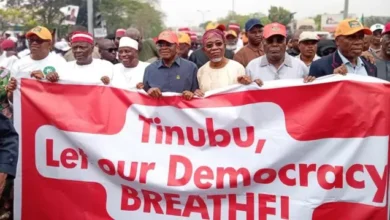
Organised labour has condemned the new tax regime, branding it “economic warfare against workers.”
Labour leaders argue that the laws were crafted without consideration for Nigeria’s harsh socio-economic realities and without adequate consultation with workers, who they describe as the country’s most reliable taxpayers.
According to labour unions, representatives of workers were excluded from the Presidential Committee on Taxation, despite their stake in the process.
They also accuse policymakers of adopting foreign tax models designed for economies with strong social safety nets such as accessible healthcare, subsidised transport, affordable housing and unemployment benefits none of which are adequately available in Nigeria.
Labour leaders say these concerns were raised during the National Assembly’s public hearings on the tax bills but were ignored as the laws were fast tracked and implemented.
President of the Nigeria Labour Congress (NLC), Joe Ajaero, had warned lawmakers that the reforms would worsen inequality and push more Nigerians into poverty.
He argued that taxing low-income earners in a country facing mass poverty amounts to regression rather than reform.
“Any tax system that places heavier burdens on people already living in severe hardship is unjust,” Ajaero stated during the hearings.
Despite these warnings, the laws took effect, and labour groups say the consequences are now evident nationwide.
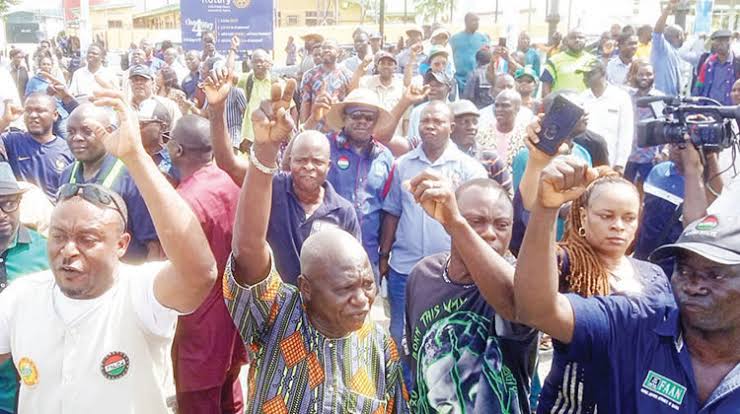
Reports of agitation, declining morale and threats of protests are emerging from multiple workplaces as workers struggle with shrinking incomes and rising debts.
An NLC official said complaints from workers have increased sharply since January salaries were paid, noting that many families are now finding it difficult to meet essential obligations.
“When workers are pushed deeper into poverty, productivity suffers,” the official said. “A hungry, indebted and insecure workforce cannot perform optimally, and the ripple effects will hit businesses, public services and the wider economy.”
Labour leaders have also dismissed claims by officials associated with the tax reforms, including the Chairman of the Presidential Committee on Fiscal Policy and Tax Reforms, Taiwo Oyedele, that the new laws do not negatively affect workers’ wages. They argue that such claims are detached from the realities faced by workers, many of whom are yet to receive full salary payments.
For organised labour, the situation represents a critical turning point. With inflation eroding purchasing power and wages effectively shrinking, unions warn that social unrest may be unavoidable unless the tax laws are urgently reviewed.
Labour leaders insist that Nigeria faces a clear choice: reform its tax policies to protect workers, or risk deepening economic hardship and social instability by taxing its workforce further into poverty