Tusk: Only ‘Idiots or Traitors’ Can Celebrate AfD Victory in Germany
The AfD’s growing popularity has generated considerable concern among Germany’s European neighbours, particularly countries in Central and Eastern Europe that view Germany’s political stability and commitment to European and transatlantic institutions as critical to regional security.
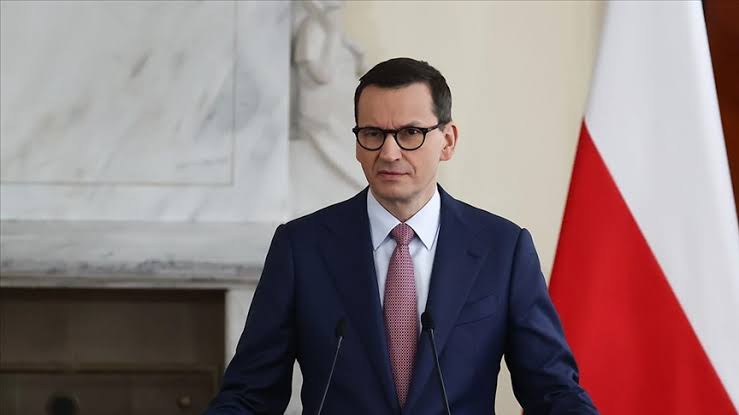
Polish Prime Minister Donald Tusk has issued a sharply worded warning against Poles celebrating the electoral success of Germany’s right-wing Alternative for Germany (AfD), describing such people as either “idiots or traitors.”


Tusk made the remark while reacting to the AfD’s strong performance in Germany, where the party has emerged as a major political force and intensified debate over the future direction of Europe’s largest economy.
“In Poland, only idiots or traitors can rejoice at the triumph of the AfD in Germany,” Tusk said.
The Polish leader’s comments reflect growing concern in Warsaw over the rise of the AfD, particularly because of the party’s positions on immigration, European integration, Germany’s relationship with Russia and the future of the European Union.
Tusk, a strong advocate of Poland’s membership in the European Union and a prominent supporter of closer European cooperation on security, has repeatedly warned against political movements that he believes could weaken European unity.
The AfD’s growing popularity has generated considerable concern among Germany’s European neighbours, particularly countries in Central and Eastern Europe that view Germany’s political stability and commitment to European and transatlantic institutions as critical to regional security.
For Poland, the issue carries additional historical and geopolitical sensitivity because of its relationship with Germany and its longstanding security concerns regarding Russia. Warsaw has generally supported a strong NATO presence in Europe and closer coordination among EU member states in response to security threats.
Tusk’s choice of the words “idiots or traitors” therefore represents a particularly forceful intervention in the debate. Rather than treating the AfD’s electoral gains as an ordinary shift in German domestic politics, the Polish prime minister framed the party’s rise as an issue with potential implications for Poland’s national interests.
The remarks are also likely to intensify debate over the political divide between Poland and Germany, as both countries remain key members of the European Union and NATO but have experienced significant political disagreements over migration, security and the direction of European integration.
The AfD, meanwhile, has continued to capitalize on voter dissatisfaction over immigration, the economy and the policies of Germany’s political establishment. Its electoral advances have made it increasingly difficult for mainstream German parties to ignore the party’s influence, even as major political forces have maintained opposition to cooperating with it.
Tusk’s intervention underscores the wider European significance of Germany’s political transformation, with neighbouring governments closely watching whether the AfD’s growing support will translate into greater influence over German policy and, ultimately, the direction of the European Union.