Trump reverses Strait of Hormuz toll vow
Meanwhile, maritime security experts say shipping companies are making “hour-by-hour” decisions on whether to transit the Strait of Hormuz as regional tensions continue to rise.
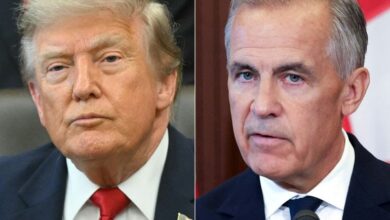
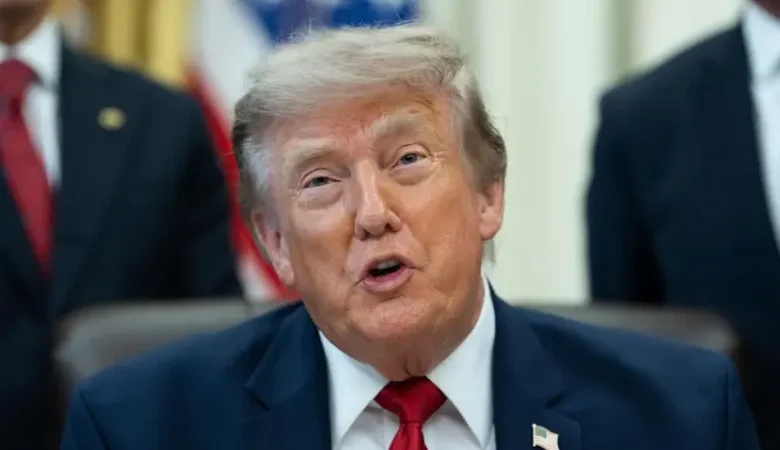
U.S. President Donald Trump has announced that he will replace the proposed 20 percent U.S. reimbursement fee for security in the Strait of Hormuz with trade and investment agreements involving Gulf states.


In a post on Truth Social, Trump said the Gulf countries would make “massive” investments in the United States, describing the arrangement as beneficial to both the U.S. and the participating nations.
Meanwhile, maritime security experts say shipping companies are making “hour-by-hour” decisions on whether to transit the Strait of Hormuz as regional tensions continue to rise.
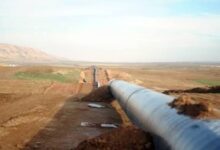
Victoria Mitchell, a maritime security expert with Control Risks, said the recent escalation has reduced the number of vessels using the strategic waterway. She noted that ship operators are coordinating with Iran, Oman and the United States over alternative navigation routes, while stressing that there is no true substitute for the Strait of Hormuz. Although pipelines in Saudi Arabia and the United Arab Emirates offer limited alternatives, they cannot handle the same volume of oil transported by sea.
Also weighing in, Professor Foad Izadi of the University of Tehran accused the United States of violating its memorandum of understanding with Iran from the outset. Speaking to the BBC, Izadi alleged that U.S. officials issued military threats shortly after the agreement was signed and said the latest U.S. strikes marked a return to “full-blown hostilities.”
He maintained that Iran does not seek to control the Strait of Hormuz but is responding to what he described as illegal U.S. attacks and the blockade of Iranian ports, which Tehran views as an act of war.
The developments come amid growing concerns that continued tensions around the Strait of Hormuz—a key global oil transit route—could disrupt international energy supplies and global trade.