Tinubu joined “Jonathan Must Go” rallies over fuel prices hike, now arresting “Tinubu Must Go” t-shirt wearers over worsening condition — Atiku
By KEMI KASUMU


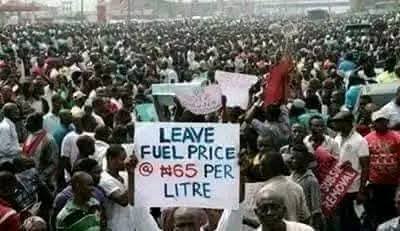
When Tinubu protested against the fuel price hike triggered by subsidy removal under Jonathan, petrol was about N90 per litre. He demanded a return to N65 per litre, at a time when the naira-dollar exchange rate stood at about N165 to $1. Today, under President Tinubu—the same politician associated with the “Jonathan Must Go” protests—petrol prices have climbed to between N1,400 and N1,500 per litre, while the naira-dollar exchange rate has moved to N1,400 and above to the dollar.
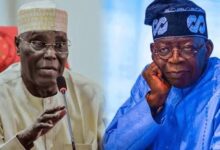
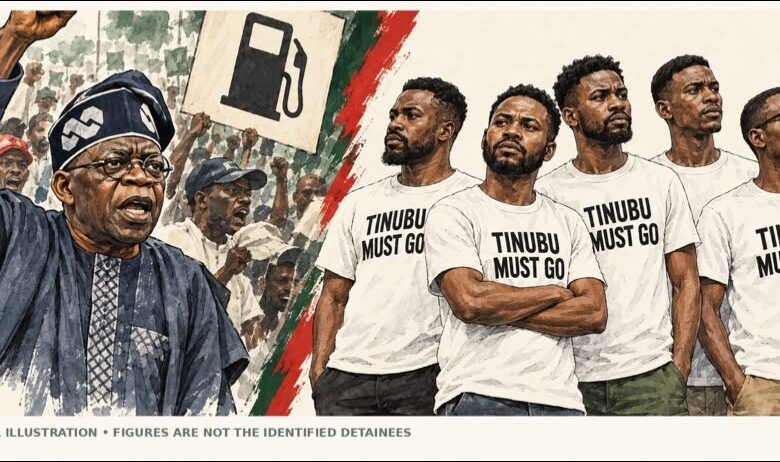
Former Vice President Atiku Abubakar has demanded the immediate release of five Nigerians reportedly arrested in Borno State over T-shirts bearing the words, “Tinubu Must Go.”
He said that if a political slogan is the reason for their detention, those responsible must explain how wearing a shirt became an offence in a democracy.
In a statement issued by Phrank Shaibu, Director of Strategic Communication of the ADC Presidential Campaign Council, dated Wednesday September 30, 2026, Atiku said President Bola Tinubu once stood with Nigerians protesting fuel prices under President Goodluck Jonathan, but now presides over a cost-of-living crisis that has made the same fuel, along with food, transport and electricity, painfully expensive.
“Tinubu opposed Jonathan’s fuel policy in the streets. Nigerians are living with the consequences of Tinubu’s fuel policy in their homes. Parents are cutting meals. Workers can scarcely afford the journey to work. Families are being crushed by bills that rise faster than their income. And when citizens put their anger on a T-shirt, the response is reportedly an arrest. What kind of democracy grants its President the right to protest, then takes that right away from everyone else?” Atiku asked.
“‘Tinubu Must Go’ is a demand for political change. It is not a weapon, a threat or a crime. President Tinubu can disagree with those words. He can campaign against them. He cannot make people disappear into custody for wearing them,” said the ADC flagbearer
Atiku called on the authorities to disclose the detainees’ whereabouts, grant them immediate access to their families and lawyers, and release them if the slogan is the basis for their arrest.
“Tinubu was free to tell Jonathan that his policies were hurting Nigerians. Nigerians must be free to tell Tinubu that his policies are hurting them. Release these five citizens now,” he said.
The DEFENDER’s investigation shows a striking contrast between the fuel price crisis Tinubu protested under the Jonathan administration’s attempted fuel subsidy removal and the reality Nigerians face today under his own presidency.
Several checks of previous statements made by Bola Tinubu over now circulated allegation of his protest against Jonathan confirmed that the Nigeria’s 16th President made the statement: “Removal of oil subsidy – President Jonathan breaks social contract with the people.”
In an effort to inform the public and clarify the issue, a Tribune Online report obtained an old copy of the publication in which the president made the statement.
The publication was dated Wednesday, January 11, 2012, and was an edition of The Nation newspaper, published by Vintage Press Limited believed to be private company owned by Tinubu himself.
Findings revealed that Tinubu made the statement in reaction to the removal of fuel subsidy by the Jonathan-led government. He also described the subsidy removal by the PDP-led government as “Jonathan tax”, as shown in the copy of the newspaper publication.
When Tinubu protested against the fuel price hike triggered by subsidy removal under Jonathan, petrol was about N90 per litre. He demanded a return to N65 per litre, at a time when the naira-dollar exchange rate stood at about N165 to $1.
Today, under President Tinubu—the same politician associated with the “Jonathan Must Go” protests—petrol prices have climbed to between N1,400 and N1,500 per litre, while the naira-dollar exchange rate has moved to N1,400 and above to the dollar.
The contrast is difficult to miss: from N90 petrol and N165 to the dollar under the administration Tinubu protested, to petrol at N1,400–N1,500 and the dollar at N1,400-plus under his own administration.
That is the economic reality Nigerians are now being asked to reconcile with the politics of yesterday.