Qatar distances itself from escalating Iran–U.S. conflict after energy facility damage
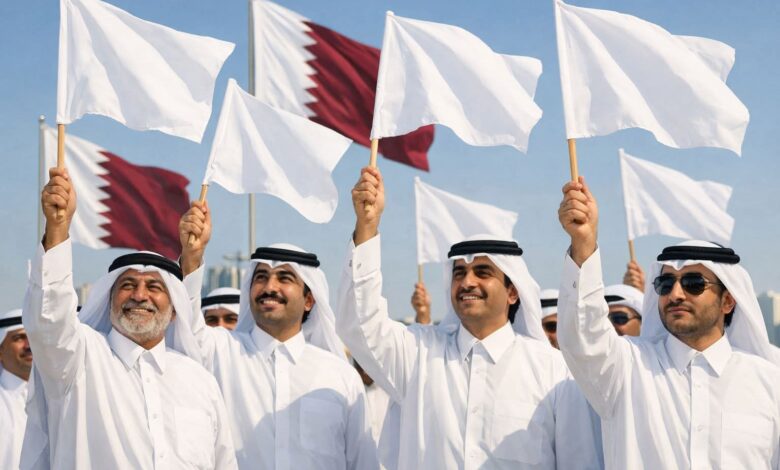
There has also been no official announcement indicating that Qatar has barred U.S. forces from operating on its territory. The country remains a key strategic partner to the United States in the region.
Qatar has signaled a shift toward de-escalation in the ongoing tensions involving Iran and the United States, following missile and drone strikes that damaged key gas infrastructure in the Gulf state.
“Qatar has withdrawn its involvement in the ongoing conflict between Iran and the US in the wake of a missile attack that damaged a $25B gas facility, necessitating a five-year recovery, and announced it will no longer allow US forces to use its territory as a launch site for attacks on Iran,” a source said in Saturday.
Recent attacks on major facilities, including the Ras Laffan industrial hub, caused significant disruption to liquefied natural gas (LNG) production, with officials reporting “extensive damage” and halting output as assessments and repairs began.
Analysts say the impact could take years to fully resolve and has already sent shockwaves through global energy markets.
Despite the escalation, there is no confirmed evidence that Qatar has “surrendered” or formally withdrawn from any conflict involving the United States and Iran. On the contrary, Qatari officials have reiterated a stance focused on diplomacy and de-escalation, maintaining communication with international partners while warning against further regional instability.
There has also been no official announcement indicating that Qatar has barred U.S. forces from operating on its territory. The country remains a key strategic partner to the United States in the region.
The recent strikes, however, have highlighted Qatar’s vulnerability as a major global energy supplier and underscored the broader risks to critical infrastructure amid intensifying regional tensions.
As the situation develops, observers note that Qatar appears to be prioritizing stability and economic recovery while supporting diplomatic efforts to contain the conflict.