{OPINION} As concerns grow over prolonged detention of military officers amid alleged coup probe
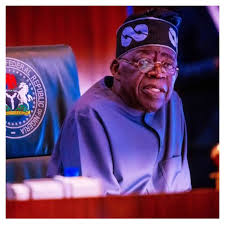
By ABANIKANDA OLUMORO (UK)
Comparisons have also been drawn with how other countries treat their military personnel. Commentators note that in nations such as the United States, governments are often seen to prioritise the welfare and legal protection of soldiers, even when they are accused of misconduct, ensuring due process and timely resolution of cases.
Concerns are mounting over the continued detention of several Nigerian military officers arrested in October last year over an alleged coup plot against President Bola Ahmed Tinubu, with critics questioning the legality and motives behind their prolonged custody without formal charges.
ALSO READ: Charge officers detained over rumoured coup against Tinubu or release them, Falana tells military
The officers, reportedly detained by the Nigerian Army, have remained in custody for months without being arraigned before any court or court martial. There have also been claims that their families and legal representatives have been denied access to them, raising further questions about their welfare, including access to adequate healthcare.
The alleged coup plot, which authorities initially linked to heightened security concerns at the time, has been described by some observers as “phantom”, arguing that no concrete evidence has been publicly presented to justify the length of the investigation or the continued detention of the officers.
In parts of northern Nigeria, the situation has fuelled speculation that the detentions are politically motivated. Critics of the Tinubu administration have accused the government of using the coup allegation as a political tool, rather than a genuine security investigation, and of playing politics with the lives and careers of officers in whom the state has invested heavily—from training at the Nigerian Defence Academy (NDA) to advanced military courses at home and abroad.
Comparisons have also been drawn with how other countries treat their military personnel. Commentators note that in nations such as the United States, governments are often seen to prioritise the welfare and legal protection of soldiers, even when they are accused of misconduct, ensuring due process and timely resolution of cases.
The prolonged detention of commissioned officers without charges, critics argue, sends a troubling signal to the wider public about the protection of citizens’ rights under the current administration. Questions are increasingly being asked about why investigations into the alleged coup have dragged on for several months without clear conclusions.
More controversially, some voices have interpreted the detentions through an ethno-religious lens, alleging that most of the affected officers are Muslims from northern Nigeria and that their continued custody fits into a broader narrative of political marginalisation. These claims are often linked to wider political tensions in the North, including the protracted emirate crisis in Kano State and accusations of selective law enforcement against political figures who refuse to align with the ruling party.
While the government has not officially addressed these allegations, the perceptions have gained traction in public discourse, further polarising opinion around the issue.
Historically, even under past military regimes, allegations of coup plotting against officers were typically investigated and concluded within days or weeks, with suspects either tried or released if evidence was lacking. Critics argue that the current situation under a civilian administration appears inconsistent with those precedents.
It is against this backdrop that human rights lawyer Femi Falana recently called for the release of the detained officers or their immediate arraignment if there is prima facie evidence against them. Supporters of this view argue that adherence to due process and respect for fundamental rights are essential to maintaining public confidence in both the government and the armed forces.
*Olumoro is Chairman Concerned Nigerians in the Diaspora UK.