NSCIA General Assembly approves new leadership structure, names officers

*Shehu, Adedimeji, Abeny Mohammed, Bala Mohammed get NSCIA Deputy Sec-Gen portfolios
*As Umar Gwandu, Sekinah Lawal become PRO, DPRO respectively
*General Assembly reveals activation of state, zonal Councils, others
By KEMI KASUMU
The Sultan of Sokoto has publicly stated that the NSCIA is not involved in politics, underscoring the Council’s position on political neutrality. The Council’s national role therefore places emphasis on engaging issues affecting citizens and communities without becoming an instrument of partisan politics.
The General Assembly of the Nigerian Supreme Council for Islamic Affairs (NSCIA) has approved an expanded leadership structure for the Council, creating dedicated portfolios for international affairs, national affairs, corporate matters and administration.
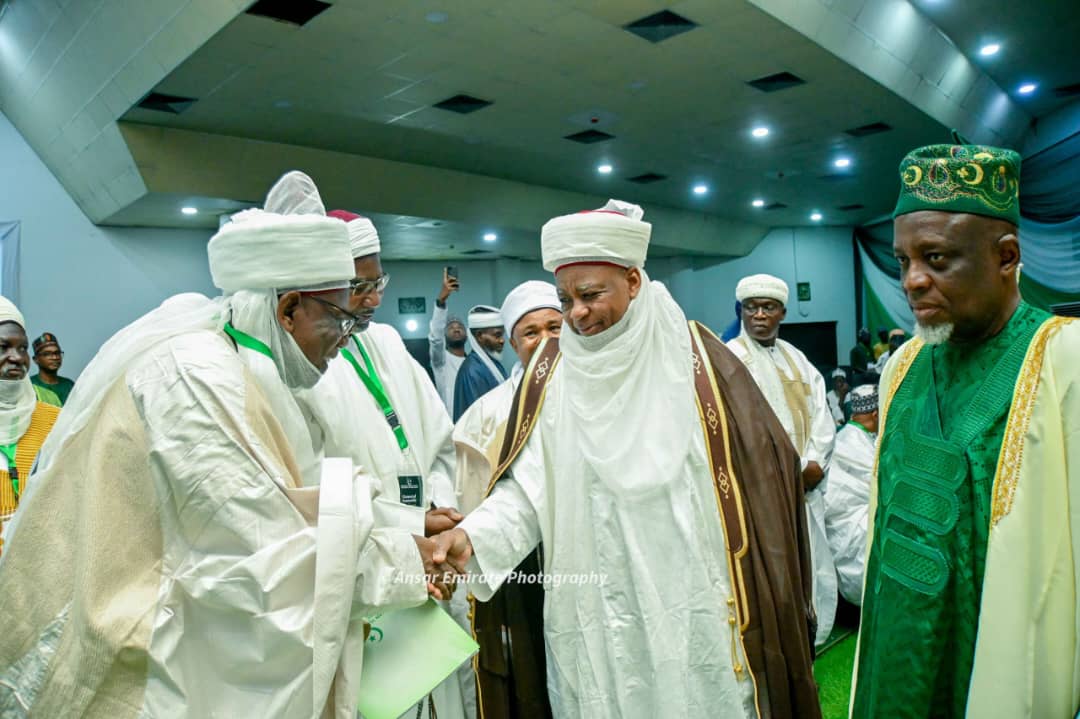
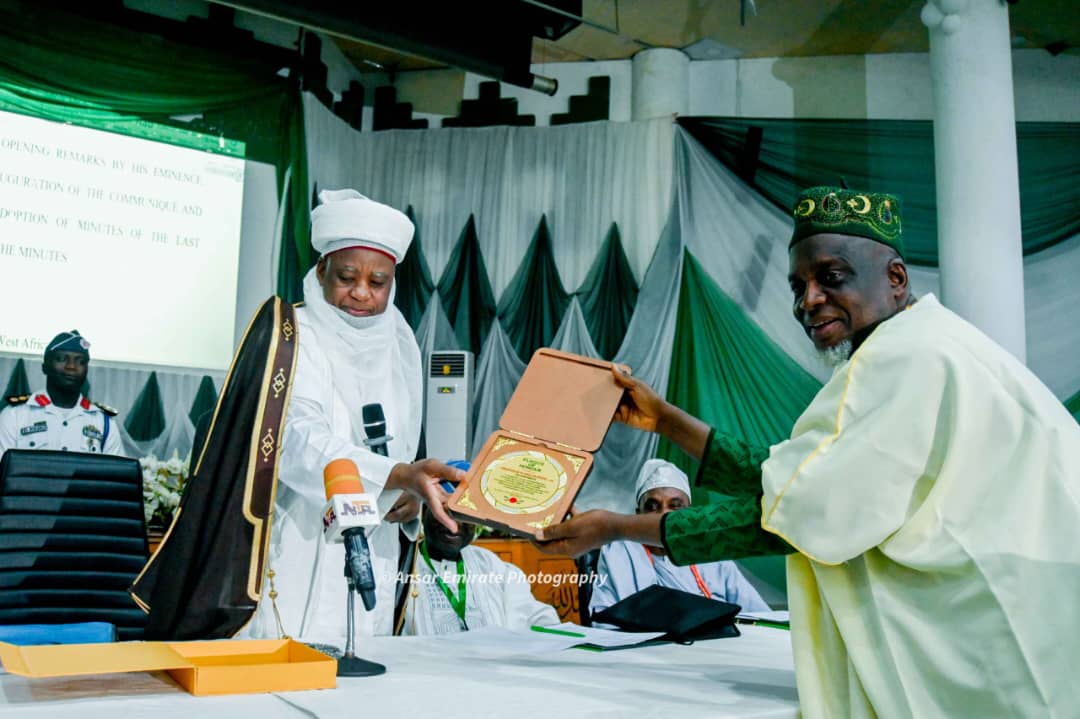
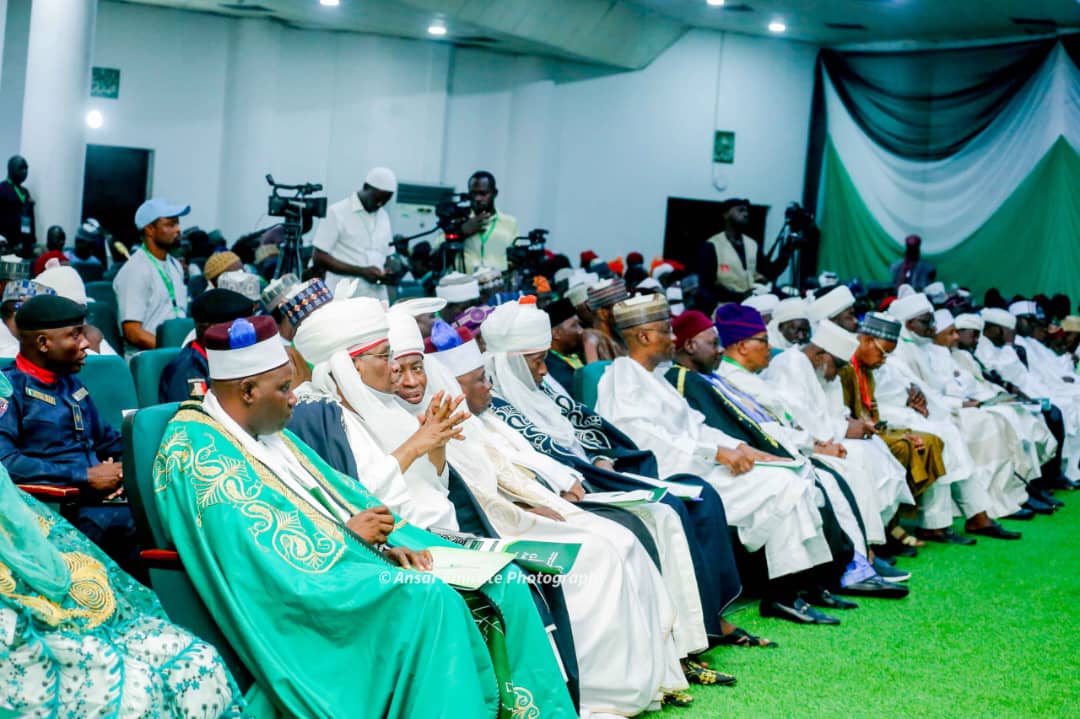
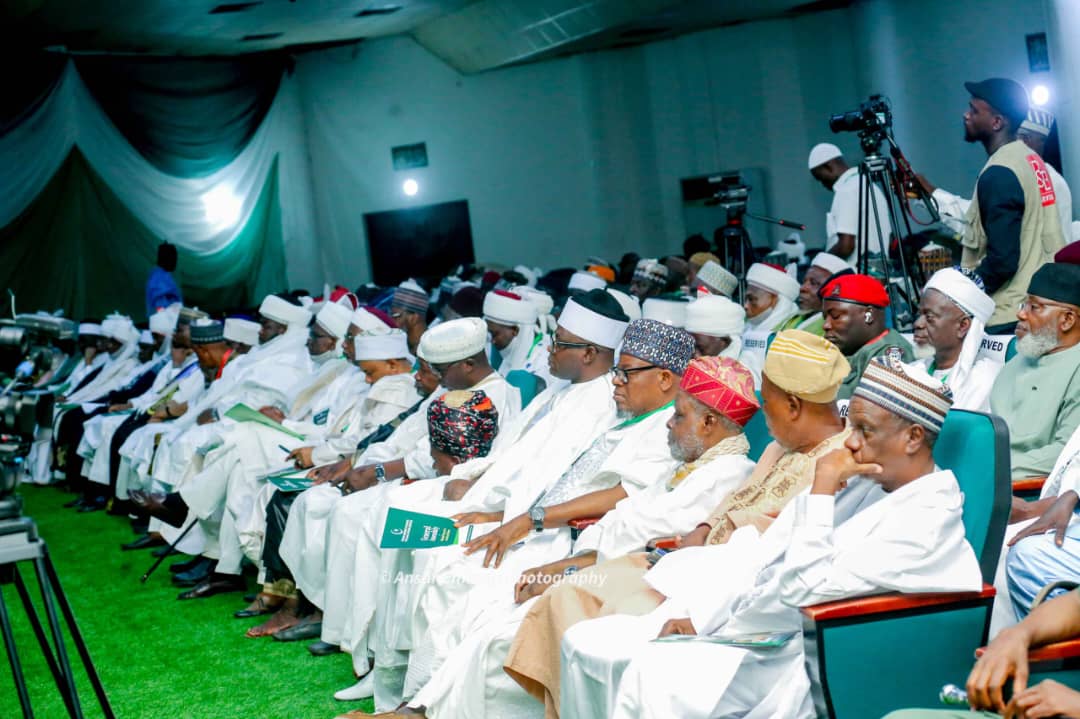
The decision was taken at the NSCIA General Assembly held in Abuja on Thursday, October 1, 2026, where Muslim leaders and representatives from across Nigeria deliberated on issues concerning the Muslim Ummah and the nation.
The new structure provides for four Deputy Secretaries-General with specific areas of responsibility.
Under the arrangement, Professor Salisu Shehu, who has served as Deputy Secretary-General of the Council, will oversee International Affairs, while Professor Mahfouz A. Adedimeji has been appointed Deputy Secretary-General in charge of National Affairs.
Mallam Abeny Mohammed (SAN) was appointed Deputy Secretary-General responsible for Corporate Matters, while Dr Bala Muhammad was appointed Deputy Secretary-General in charge of Administration.
The Assembly also approved the appointment of Prof. Dr Umar Jibrilu Gwandu as Public Relations Officer (PRO) and Hajia Sekinat Lawal as Deputy Public Relations Officer (DPRO).
The expanded arrangement is designed to give greater focus to different areas of the Council’s activities and strengthen the coordination of its affairs.
The NSCIA is headed by its President-General and Sultan of Sokoto, His Eminence Alhaji Muhammad Sa’ad Abubakar III, CFR, mni.
Other principal leaders include the Deputy President-General (North), His Royal Highness Alhaji Abubakar Umar Ibn Garbai El-Kanemi, CFR, the Shehu of Borno; Deputy President-General (South), Alhaji Rasaki Oladejo, FCA; and Secretary-General, Professor Is-haq Olanrewaju Oloyede.
The General Assembly is the highest decision-making organ of the NSCIA and brings together representatives of the 36 State Councils for Islamic Affairs and the Federal Capital Territory, Islamic organisations, members of the General Purpose Committee and Expanded General Purpose Committee, Muslim public office holders and prominent Muslim personalities.
The Council had earlier described the Assembly as a broad platform for consultation, reflection and consideration of issues affecting the Council, the Muslim Ummah and the nation.
National Affairs portfolio
Particular attention is expected to focus on the new National Affairs portfolio under Professor Mahfouz Adedimeji.
The office provides an opportunity for the NSCIA to develop a more structured mechanism for listening to concerns emerging from Muslim communities and presenting them for constructive engagement with governments and other stakeholders.
Among the issues that could feature in such consultations are employment, entrepreneurship and economic opportunities for young people; access to healthcare, education and opportunities for women; land access, agricultural productivity and insecurity affecting farmers; as well as reconstruction, rehabilitation, reconciliation and restoration of livelihoods in communities affected by violence.
The office could also use the Council’s extensive national network to gather perspectives from different parts of the country and identify areas of common concern.
The NSCIA’s constitutional structure provides State Councils in every state of the federation and the Federal Capital Territory. It also provides for six zonal offices and consultative committees, creating an existing institutional network through which concerns can potentially be collated from communities.
The Council’s stated objectives include serving as a channel of contact with government authorities on Islamic affairs, while its membership encompasses Muslim communities, Islamic organisations and individual Muslims across Nigeria.
For the National Affairs office, therefore, one of the practical questions will be how effectively this nationwide structure can be translated into regular consultation and evidence-based engagement.
Such engagement could include structured consultations in the six geopolitical zones, regular interaction with State Councils, documentation of community concerns and the development of issues that can be presented to relevant government institutions.
The portfolio could also provide a platform for strengthening discussions around youth development, education, employment, social welfare, agriculture, security and the needs of communities affected by displacement and violence.
Beyond appointments
The expansion of the leadership structure comes with responsibilities that go beyond the announcement of new titles.
For the National Affairs office in particular, its effectiveness could ultimately be measured by whether it develops a credible record of community concerns, establishes regular channels of consultation and converts those concerns into constructive engagement with public authorities and other stakeholders.
The same principle applies to the other new portfolios.
The International Affairs office under Professor Salisu Shehu could provide greater focus to the Council’s external relations; the Corporate Matters portfolio under Abeny Mohammed could strengthen institutional and corporate coordination; while the Administration portfolio under Dr Bala Muhammad could focus on the internal administrative needs of the Council.
The new communications leadership is also expected to play a role in communicating the Council’s positions and activities to the public.
The appointments therefore represent not only an expansion of personnel but also an opportunity to define clearer responsibilities within the Council’s national structure.
The NSCIA’s extensive network of emirs, imams, scholars, Islamic organisations and State Councils gives the leadership a broad institutional platform from which to undertake such engagement.
Maintaining institutional independence
The issue of national engagement also assumes importance as Nigeria approaches the 2027 general elections.
The Sultan of Sokoto has publicly stated that the NSCIA is not involved in politics, underscoring the Council’s position on political neutrality. The Council’s national role therefore places emphasis on engaging issues affecting citizens and communities without becoming an instrument of partisan politics.
Against this background, a National Affairs office that systematically gathers community concerns and engages governments and other stakeholders on issues of public interest could provide an institutional expression of that role.
The focus would be on issues such as security, education, livelihoods, economic opportunity, healthcare, agriculture, social welfare, reconstruction and peaceful coexistence rather than partisan political alignment.
The October 1 Assembly thus marks a significant organisational development for the NSCIA, with the new leadership portfolios placing greater responsibility on designated officers to coordinate different aspects of the Council’s work.
The immediate task will be to translate the expanded structure into effective administration, stronger consultation and constructive national engagement while preserving the Council’s stated commitment to Muslim unity, peaceful coexistence and Nigeria’s stability and development.