Not Jonathan, Buhari but Tinubu destroying Yoruba Land – ADC Vanguard
If businesses are struggling, families are poorer, transport costs have exploded, food prices are crushing households and economic pressure is forcing more people into survival mode, then Yoruba voters are entitled to ask a painful question: What exactly has Tinubu’s presidency delivered to the region that produced his strongest political base?
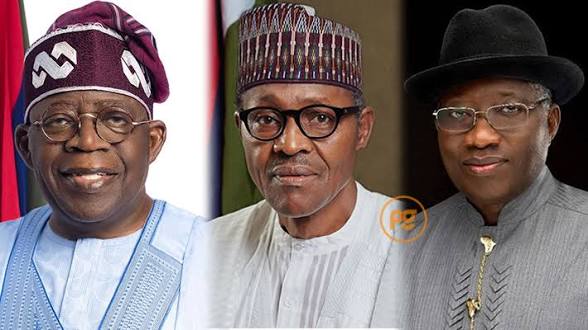
Jonathan and Buhari did not destroy Yoruba land when they were in power, only Tinubu is destroying Yoruba land.

That statement captures a growing frustration that APC should not dismiss as mere opposition rhetoric.
For years, Tinubu’s political strength rested heavily on the argument that he understood the South-West, knew its economy, understood its people and would protect its interests at the centre.
But power is ultimately judged by outcomes.
If businesses are struggling, families are poorer, transport costs have exploded, food prices are crushing households and economic pressure is forcing more people into survival mode, then Yoruba voters are entitled to ask a painful question:
What exactly has Tinubu’s presidency delivered to the region that produced his strongest political base?
Jonathan governed Nigeria without turning Yoruba support into a condition for survival.
Buhari governed for eight years, often criticised heavily in the South-West, yet Tinubu’s APC still convinced many Yoruba voters that having “their own son” in power would produce something better.
Now the irony is becoming difficult to ignore.
The President may be Yoruba, but hardship has no tribe.
Fuel prices do not recognise ethnicity.
Inflation does not speak Yoruba.
A collapsing business does not become less painful because the President comes from Lagos.
That is why identity politics has limits.
Leadership should not be measured by where a President comes from, but by whether people can live, work, trade and raise families with dignity.
If Yoruba land is suffering economically under a Yoruba President, then APC cannot hide behind ethnic sentiment forever.
The people will eventually ask for results.
And 2027 may become the moment when the South-West decides that having “our own person” in power means nothing if ordinary people are still paying the price for bad governance.
“Jonathan and Buhari did not destroy Yoruba land when they were in power, only Tinubu is destroying Yoruba land.”
That statement captures a growing frustration that APC should not dismiss as mere opposition rhetoric.
For years, Tinubu’s political strength rested heavily on the argument that he understood the South-West, knew its economy, understood its people and would protect its interests at the centre.
But power is ultimately judged by outcomes.
If businesses are struggling, families are poorer, transport costs have exploded, food prices are crushing households and economic pressure is forcing more people into survival mode, then Yoruba voters are entitled to ask a painful question:
What exactly has Tinubu’s presidency delivered to the region that produced his strongest political base?
Jonathan governed Nigeria without turning Yoruba support into a condition for survival.
Buhari governed for eight years, often criticised heavily in the South-West, yet Tinubu’s APC still convinced many Yoruba voters that having “their own son” in power would produce something better.
Now the irony is becoming difficult to ignore.
The President may be Yoruba, but hardship has no tribe.
Fuel prices do not recognise ethnicity.
Inflation does not speak Yoruba.
A collapsing business does not become less painful because the President comes from Lagos.
That is why identity politics has limits.
Leadership should not be measured by where a President comes from, but by whether people can live, work, trade and raise families with dignity.
If Yoruba land is suffering economically under a Yoruba President, then APC cannot hide behind ethnic sentiment forever.
The people will eventually ask for results.
And 2027 may become the moment when the South-West decides that having “our own person” in power means nothing if ordinary people are still paying the price for bad governance.