Nigeria not technically ready for electronic transmission of election results — Lecky

By SUMAYYAH ADEFAKA
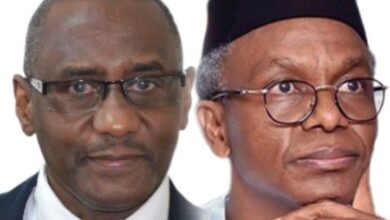
A former National Commissioner of the Independent National Electoral Commission (INEC), Mustapha Lecky has stated that Nigeria is not technically prepared for mandatory real-time electronic transmission of election results from polling units.
Speaking on Channels Television’s Politics Today programme on Friday, Lecky argued that the current push for instantaneous uploads is misplaced given the country’s continued reliance on manual voting with paper ballots rather than electronic voting.
“It doesn’t really make sense to me that we should be talking about instantaneous transmission of results live as it is happening from the polling area,” Lecky said.
He emphasized that results must first be manually counted and verified at polling units in the presence of party agents before any transmission can occur. The EC8A form, signed by party agents, remains the critical legal document in the process.
“We don’t do electronic voting anywhere. Are we doing electronic voting? We are very far away from it,” Lecky added.
According to Lecky, existing tools such as INEC’s Result Viewing Portal (IReV) and the Bimodal Voter Accreditation System (BVAS) already provide adequate transparency when properly implemented. He stressed that Nigeria lacks the nationwide infrastructure—particularly reliable mobile network coverage in many rural polling units—necessary to support real-time electronic transmission without risking widespread failures or cyber vulnerabilities.
“For electronic transmission, we are not ready. We are not technically ready,” he warned, noting that rushing the system could expose the electoral process to greater risks in a country with limited digital resilience.
Lecky urged INEC to focus on strengthening and perfecting current systems rather than introducing untested mandatory real-time transmission requirements.
He pointed out that even more technologically advanced democracies continue to face challenges with election technology, reinforcing the need for caution and adequate preparation in Nigeria’s context.
The comments come amid ongoing public and legislative discussions on electoral reforms ahead of future elections.