Lim Tean: Tanker attacks have changed risk calculations in Strait of Hormuz
“This is the real story behind the story,” Tean said, arguing that the issue extends beyond the two tankers to the broader question of insurance and the cost of maritime risk.
International affairs analyst Lim Tean has argued that recent attacks on two tankers linked to Greek shipping company Dynacom have fundamentally altered the risk calculations surrounding commercial shipping through the Strait of Hormuz.

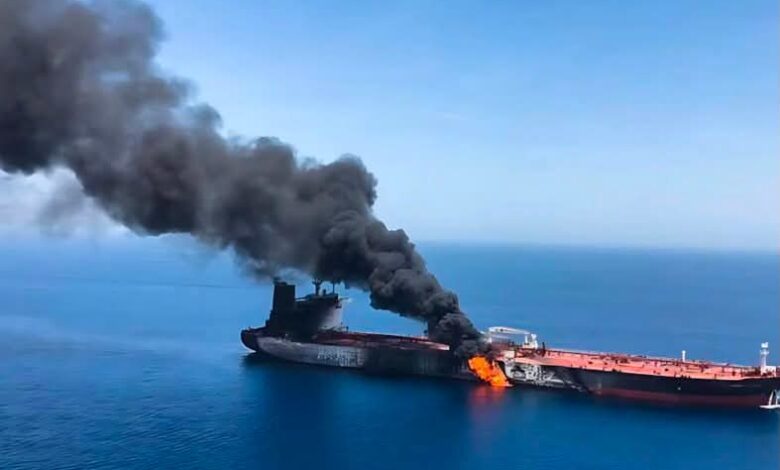
In an analysis titled “The Game Has Changed: Dynacom, War Risk, and the Death of the ‘Safe Route’ Through Hormuz,” Tean said two Dynacom vessels, the Kavomaleas and the Acheloos, were reportedly struck by Iranian fire while sailing close to the Omani coast in an attempt to transit the strategic waterway under cover of darkness.
According to Tean, the two vessels were reportedly the only ships that attempted the crossing that night and both came under attack. He claimed that one tanker, carrying more than 500,000 barrels of oil, was left drifting in Iranian waters after its crew reportedly abandoned the vessel, while the second tanker was carrying approximately two million barrels of oil.
Tean said the incident was particularly significant because of his previous professional association with Dynacom. He recalled serving in 2001 as lead counsel for Dynacom’s shipowners and their Protection and Indemnity (P&I) insurer, the North of England P&I Association, during a 26-day trial at the Singapore High Court.
He said the case, popularly known as The Cherry after the lead vessel that was arrested in Singapore, remains one of the most notable shipping trials in Singapore’s legal history. Tean also recalled that the trial coincided with the September 11, 2001, terrorist attacks in the United States.
The analyst further recounted his past visits to Dynacom’s headquarters in Glyfada, near Athens, and said the company’s fleet had grown significantly from about 60 vessels when he knew its owner, George Prokopiou, to more than 200 ships today.
According to Tean, Prokopiou’s reputation for operating in high-risk environments made the reported attacks particularly noteworthy.
He argued that if a shipping company known for its willingness to operate in difficult conditions could have vessels targeted while using what was considered a safer route along the Omani coast, other shipowners could become increasingly reluctant to risk sending their vessels through the Strait of Hormuz.
“This is the real story behind the story,” Tean said, arguing that the issue extends beyond the two tankers to the broader question of insurance and the cost of maritime risk.
He said war-risk insurance premiums, which were already rising, could become prohibitively expensive if insurers became unwilling to provide coverage for vessels transiting the strategic waterway.
Tean also linked the security situation to rising oil prices, stating that Brent crude had already surpassed $100 per barrel amid the escalating tensions.
He argued that while the United States could deploy military aircraft and provide air protection, it could not ultimately determine whether individual shipowners would be willing to risk their vessels and crews.
According to Tean, the strategic significance of the latest attacks lies in their potential impact on the insurance industry and commercial shipping decisions.
“Iran does not need to close Hormuz,” he concluded. “It only needs to make the insurance market decide the strait is closed for it.”
The claims concerning the attacks, the status of the vessels and the reported oil cargoes could not be independently verified from the information available.