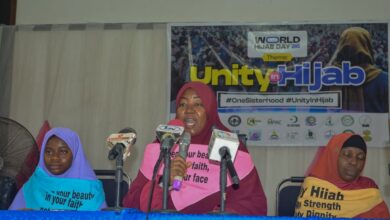
LAGOS: Advocacy for Igbo Muslims, women with disabilities takes spotlight as 2026 World Hijab Day flags off with press conference
By BASHIR ADEFAKA
“Being Igbo and Muslim is not a contradiction,” Ogunmuyiwa said, stressing that Islam transcends ethnicity and that Nigerian Muslims come from all ethnic groups. She added that wearing the hijab does not diminish a woman’s ethnic identity or citizenship.
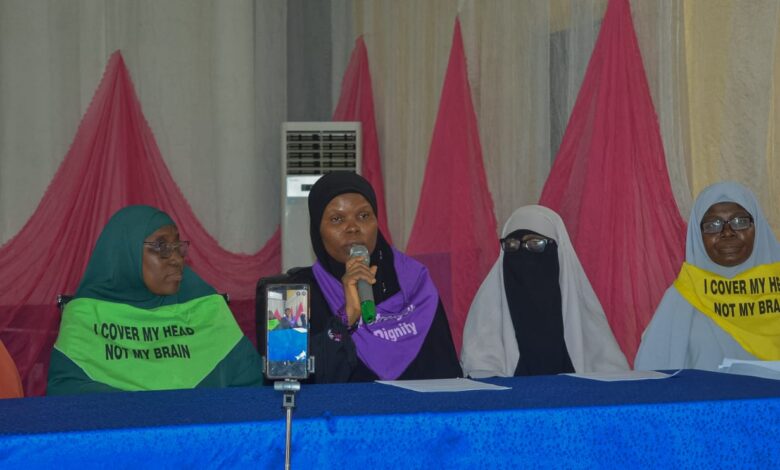
Advocacy for the protection of Igbo Muslims and Muslim women with disabilities took centre stage on Thursday January 29, 2026 as a coalition of Muslim women organisations held a press conference in Ikeja, Lagos, ahead of the 2026 World Hijab Day.
The press briefing, organised by the Hijab Rights Advocacy Initiative (HRAI) as part of activities marking the annual international event, focused on the rights of Muslims in South East Nigeria—particularly hijab-wearing Igbo Muslim women—and the often-overlooked challenges faced by Muslim women with disabilities across the country.
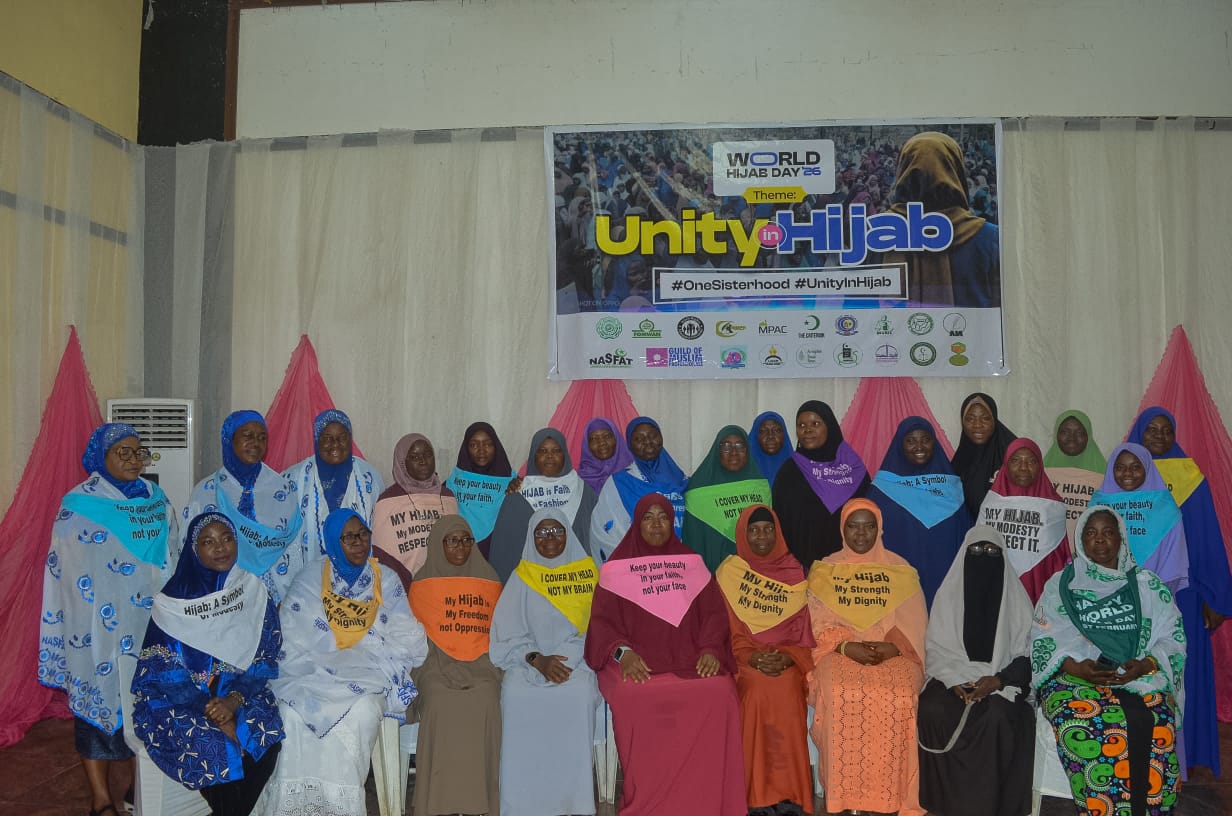
World Hijab Day, observed globally on February 1, carries the theme “Unity in Hijab” for 2026. In Nigeria, the theme has been locally adapted as “One Sisterhood” to reflect national diversity and shared struggles.
Speaking on behalf of the Federation of Muslim Women’s Associations in Nigeria (FOMWAN), Hajia Kudrah Omotola Ogunmuyiwa expressed concern over what she described as the growing vulnerability of Igbo Muslims, especially women who visibly practise their faith through the hijab.
She said the intersection of ethnic identity and religion has exposed Igbo Muslim women to discrimination, social exclusion and threats of violence in parts of Eastern Nigeria.
“Being Igbo and Muslim is not a contradiction,” Ogunmuyiwa said, stressing that Islam transcends ethnicity and that Nigerian Muslims come from all ethnic groups. She added that wearing the hijab does not diminish a woman’s ethnic identity or citizenship.
Ogunmuyiwa described recent hateful statements and alleged calls for violence against Igbo Muslims by an individual identified as Mazi Kanayo as “alarming” and dangerous to national unity. She warned that Muslim women in the Southeast increasingly face verbal abuse, economic boycotts, physical intimidation and denial of basic services because of their religious identity.
“This situation is unacceptable in a constitutional democracy,” she said, citing Section 24(1)(c) of the 1999 Constitution, which mandates respect for the dignity and rights of others.
FOMWAN called on law enforcement agencies to investigate and prosecute hate speech, urged traditional and community leaders in the Southeast to publicly condemn religious intolerance, and appealed to civil society organisations to stand in solidarity with Igbo Muslims.
The coalition also drew attention to the plight of Muslim women with disabilities. Speaking for the Al Mu’minaat (Believing Women) Organisation, Hajia Hussainat Akintola said hijab-wearing Muslim women with disabilities face double discrimination—both as persons with disabilities and as visibly practising Muslims.
She cited challenges such as inaccessible public buildings, including mosques and government offices, insensitive treatment by officials, denial of assistive devices during security screenings, exclusion from religious spaces and employment discrimination.
“Islam honours the dignity of every human being, regardless of ability,” Akintola said, referencing examples from the life of Prophet Muhammad (SAW), including the appointment of the blind companion, Abdullah ibn Umm Maktum, to lead Medina in his absence.
She reminded authorities that Nigeria is a signatory to the United Nations Convention on the Rights of Persons with Disabilities and has enacted the Discrimination Against Persons with Disabilities (Prohibition) Act, 2018. She called for accessible mosques, disability-sensitive training for religious officials, inclusive policies in Islamic institutions and representation of Muslim women with disabilities in decision-making processes.
Earlier, the convener and Director of the Hijab Rights Advocacy Initiative (HRAI), Hajia Mutiat Orolu-Balogun, said Muslim women in Nigeria were joining millions worldwide to commemorate World Hijab Day 2026.
She explained that World Hijab Day, observed annually since 2013, was founded by Bangladeshi-American activist Nazma Khan to promote religious tolerance by inviting women of all faiths to experience wearing the hijab for a day. The initiative, she said, is now observed in over 190 countries, including Nigeria.
Activities to mark the event will continue on Friday with a special Juma’ah service at the Alausa Secretariat Central Mosque, Ikeja. The main event will take place on Sunday, February 1, with a hijab walk beginning from Allen, Ikeja, at 7 a.m. and ending at the Alausa Central Mosque.
According to Orolu-Balogun, the theme “One Sisterhood” underscores the shared humanity of Muslim women across ethnicities, abilities, social classes and regions, even as many continue to face discrimination and harassment despite constitutional guarantees of religious freedom.