Iranian General says prolonged war is giving Tehran more experience fighting US forces

“We have seen that the U.S. military is weaker than we initially thought,” Naqdi said, according to the report.
Iranian Revolutionary Guards commander Brigadier General Mohammad Reza Naqdi has claimed that the longer the military confrontation between Iran and the United States continues, the more battlefield experience Tehran gains in understanding and confronting American forces.


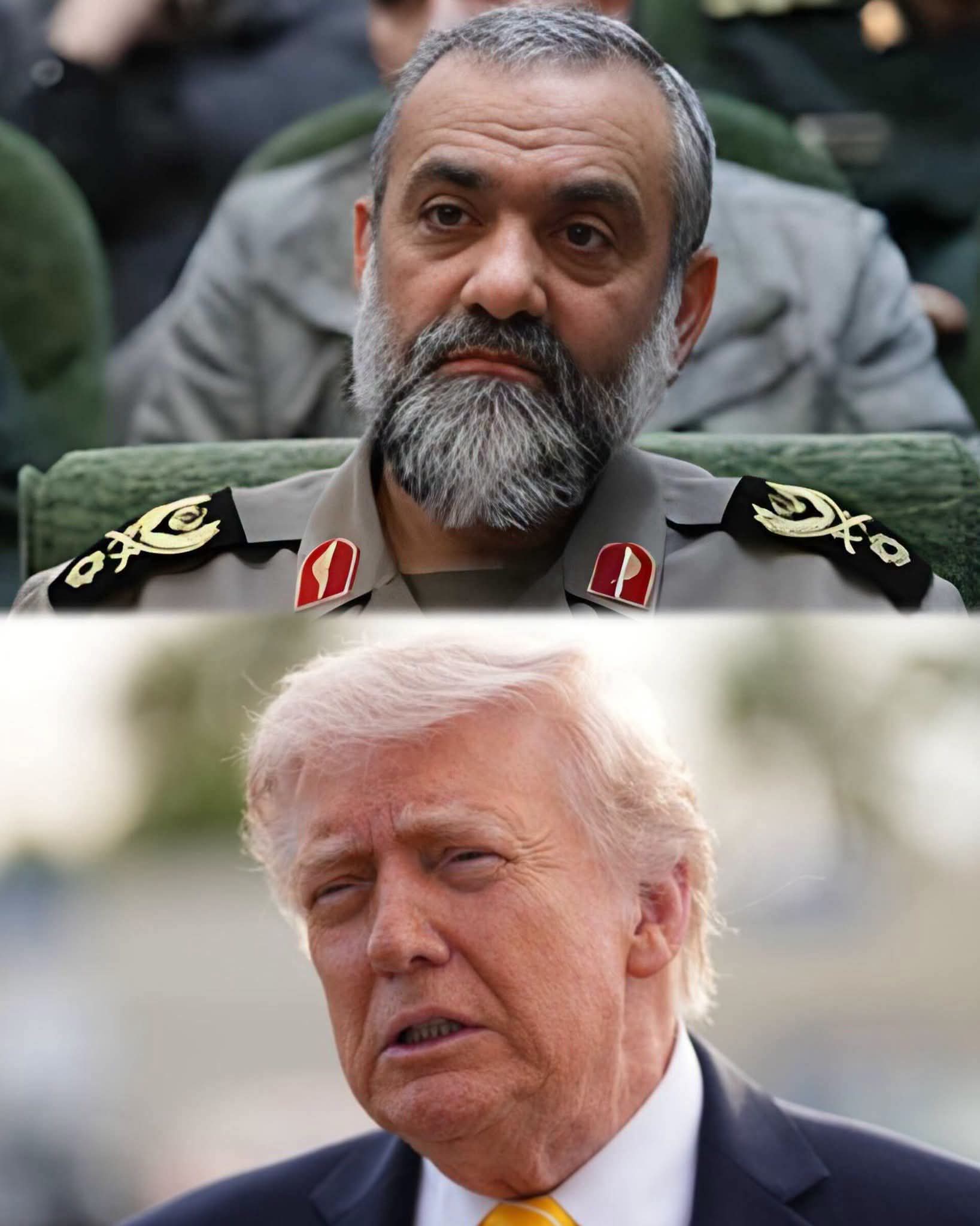
Naqdi said Iran had previously lacked the opportunity to engage the United States in a prolonged direct military confrontation, making the current conflict an important opportunity for Iranian forces to study American military capabilities, tactics and operational methods.
According to remarks attributed to the Iranian general, five months of fighting had enabled Iran to closely observe how U.S. forces plan and conduct military operations.
“We have seen that the U.S. military is weaker than we initially thought,” Naqdi said, according to the report.
The Iranian commander suggested that the experience gained during the conflict could strengthen Iran’s ability to respond to future American military operations.
Naqdi’s comments reflect Tehran’s broader narrative that continued fighting is allowing Iran’s armed forces to adapt to the capabilities and tactics of a technologically superior opponent.
Iranian officials have repeatedly emphasized their ability to learn from combat experience, particularly in missile, drone and air-defence operations. Tehran has also sought to portray the conflict as evidence that its military can withstand sustained pressure from the United States.
However, the claim that U.S. forces are “weaker” than previously assessed is an Iranian military assessment and has not been independently established. The United States possesses substantially greater defence spending, global military reach, advanced aircraft and naval capabilities than Iran.
The remarks come as the reported conflict enters a prolonged phase, with both sides continuing to assess battlefield performance, military losses and the effectiveness of their respective strategies.
Naqdi’s statement nevertheless highlights a significant concern for Washington: a prolonged conflict can give an adversary valuable intelligence about U.S. operational patterns and create opportunities for battlefield adaptation.
For Tehran, the experience is being presented not simply as a cost of war but as a source of military learning that could influence Iran’s future strategy toward the United States.