Four Social Media Posts That Could Land Users in Court, Barrister Ojialor Warns
By BASHIR ADEFAKA


“The reality is that a social media platform is not a law-free zone. Something you post out of anger, excitement, engagement or revenge can expose you to legal consequences,” she warned.
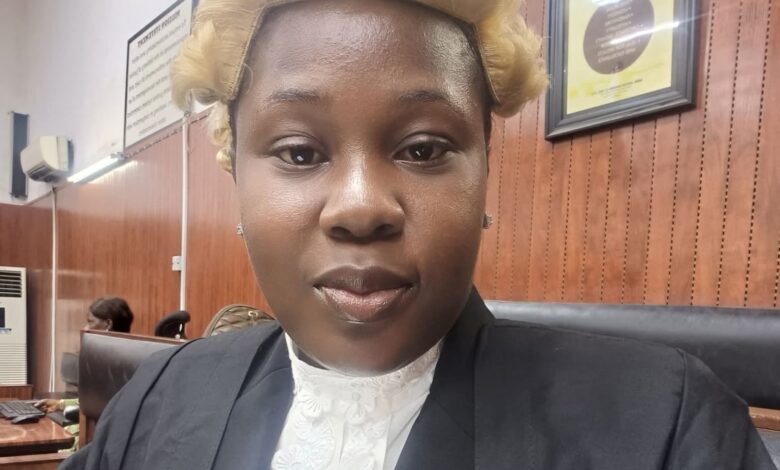
A Nigeria-based legal practitioner, Barrister Emmanuella Ojialor has cautioned social media users against publishing defamatory statements, threatening messages, nude pictures of others and copyrighted creative works without authorisation, warning that such actions could expose them to legal consequences.
Ojialor, in a social media post, stressed that social media platforms are not law-free zones, noting that content published out of anger, excitement, provocation or revenge could land users in court.
“The reality is that a social media platform is not a law-free zone. Something you post out of anger, excitement, engagement or revenge can expose you to legal consequences,” she warned.
Identifying four categories of posts users should think twice about before publishing, the lawyer listed defamatory statements as the first.
She cautioned against making false allegations capable of damaging another person’s reputation, particularly publicly describing someone as a thief, fraudster or criminal without establishing the truth.
“For example, publicly calling someone a thief, fraudster or criminal without being the fact can expose you to a defamation claim. Imagine facing 50 million bail condition for a post that took just one minute to write and post,” she stated.
She added: “Remember, freedom of expression does not give anyone the right to destroy another person’s hard earned reputation unlawfully.”
The second category, according to Ojialor, is threatening messages. She warned social media users against using online platforms to threaten to kill, injure, attack or physically harm other people.
“Even if you are angry or joking, a threatening post or message may have serious legal consequences depending on its content and circumstances,” she said.
On the third category, the lawyer warned against publishing or circulating another person’s nude photographs or videos without lawful consent.
“Never use someone’s private pictures to blackmail, extort, embarrass, punish or seek revenge against them. Such actions has legal consequences,” she cautioned.
Ojialor identified the fourth category as taking another person’s creative work and presenting it as one’s own.
She urged users to desist from copying photographs, articles, videos, designs and other creative works without appropriate permission or acknowledgement.
“A work that took you a minute to copy and post on your platform may cost the original owner time, money, discipline and lots of resources,” she observed.
The lawyer further warned that social media users should not assume that old posts are beyond legal scrutiny simply because they were published years earlier.
“Just a reminder, a post made years ago can still have legal consequences if its content is inappropriate,” she stated.
Emphasising the need for caution, Ojialor declared: “In law, there is no defence known as Joke.”
She urged social media users to consider the possible legal implications of their online activities before publishing content.
“So before you post, ask yourself, can this post land me into legal trouble? If the answer is yes then the choice is yours to make,” she advised.