IMMORTALISATION OF IMAM ABDULLAHI: A moral imperative for Plateau State and Nigeria
By JOSEPH LENGMANG, PhD
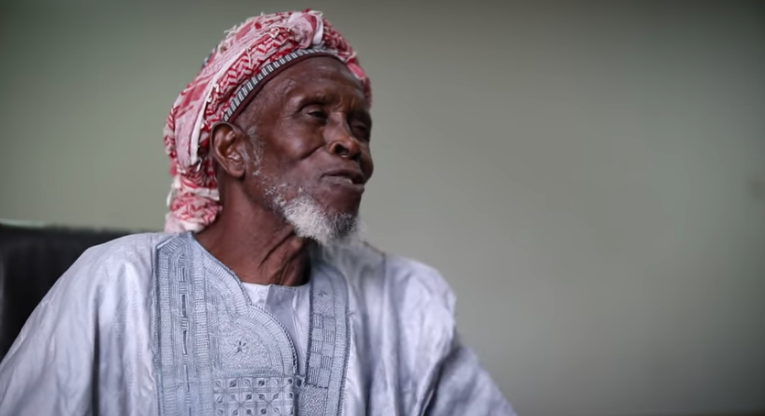
The late Imam’s decision to shelter 262 Christian neighbours during a deadly attack was not merely an act of compassion but a decisive moral intervention against the logic of hatred.
In societies fractured by prolonged ethno-religious violence, symbols do matter.
Whom we recognize or honour, whom we remember, and whose stories we elevate tends to shape the moral direction of our future as a people.
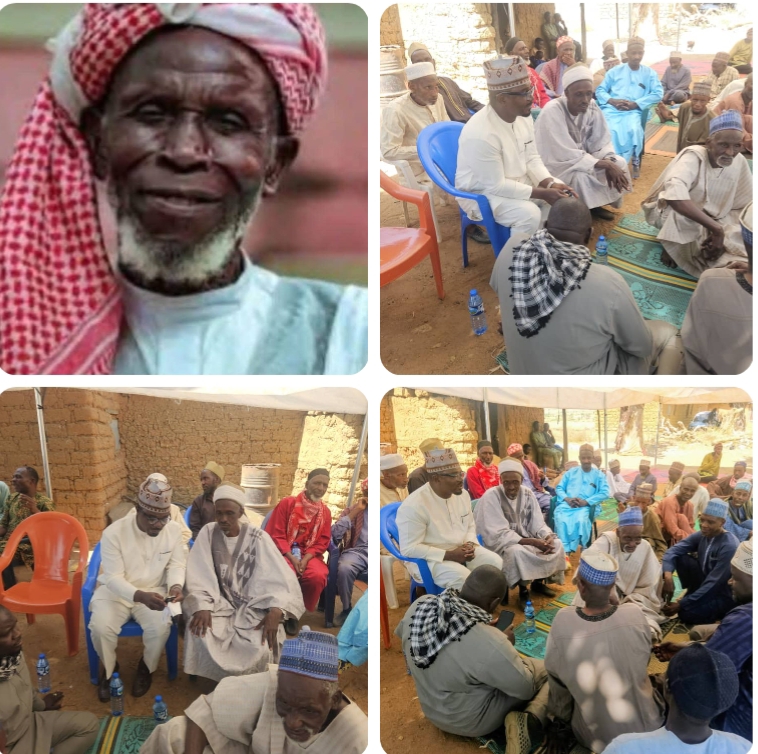
In a country like Nigeria, struggling with growing insecurity, polarization along ethno-religious lines, and even moral fatigue, the life and sacrifice of Imam Abubakar Abdullahi of Nghar village in Plateau state offer a rare and powerful counter-narrative.
Plateau State has endured decades of ethno-religious tension, often escalating into open attacks leaving behind deep-seated feeling of mutual suspicion and resentment. The scars of trauma and broken trust are unmistakable.
These untreated legacies continue to weaken social cohesion, fuel radicalization, and undermine peaceful coexistence.
In such fragile contexts, acts of extraordinary moral courage become strategic resources for healing and national renewal.
The late Imam’s decision to shelter 262 Christian neighbours during a deadly attack was not merely an act of compassion but a decisive moral intervention against the logic of hatred.
By choosing to protect life across religious lines, he disrupted the narrative of inevitable hostility that sustains ethno-religious violence.
His action demonstrated, in the clearest terms, that faith, when practised at its highest ethical level, is a force for good. It is a force for protection, not exclusion.
Last week, during a condolence visit to the late Imam’s village, I met some of the individuals whose lives the Imam saved.
What I witnessed there was profoundly moving.
Christians and Muslims mourned together, united in shared grief and gratitude.
Particularly striking was the presence of many Christian women receiving condolences alongside his wives in their inner courtyard.
In that solemn gathering, the invisible walls of fear and suspicion that have long divided our communities appeared momentarily dissolved, replaced by authentic solidarity and reconciliation.
That moment reaffirmed a powerful truth: the late imam’s legacy continues to heal, even in death.
As former Director General of the Plateau State Peacebuilding Agency, I have spent years working with ordinary communities to navigate the difficult terrain of dialogue, reconciliation, and conflict transformation. I can state without hesitation that few peace interventions be it formal or informal have matched the moral and social impact of this one man’s courage.
His life achieved what decades of structured programming often struggle to accomplish: the restoration of mutual trust and confidence between conflict parties that have been fighting each other for decades. Therefore, immortalising Imam Abdullahi through public memorials, institutional naming or even annual peace commemorations would not only amount to a symbolic indulgence but a strategic investment in national cohesion. Such recognition would counter negative stereotypes, weaken extremist ideology, strengthen youth resilience against radicalisation, and embed reconciliation into Nigeria’s civic memory.
In a country where public honours reward political power, wealth, and elite privilege often in the face of corruption and moral failure we must consciously seek to elevate alternative models of greatness. And this is because a nation that reserves its highest recognition only for political elites gradually hollows out its moral foundation. However, a society that celebrates sacrifice, compassion, and humanity strengthens its ethical core.
To immortalise the late Imam Abubakar is to affirm that in Nigeria, the pursuit of peace is heroic, compassion is courageous, and humanity is sacred.
In honouring him, we do not merely preserve memory but actively shape the nation we aspire to become.
And in a country desperately yearning for peace, healing, unity, and moral rebirth, few acts could be more urgent.
*Lengmang is pioneer and former Director General of the Plateau State Peacebuilding Agency