I have known El-Rufai for 50 years, he’s never a thief, Says ex-NHIS Boss
By OUR REPORTER
Commenting on ongoing legal and political issues involving opposition figures, Yusuf called for fairness and adherence to due process. He emphasized that allegations against public officials should be proven in court rather than in the court of public opinion.
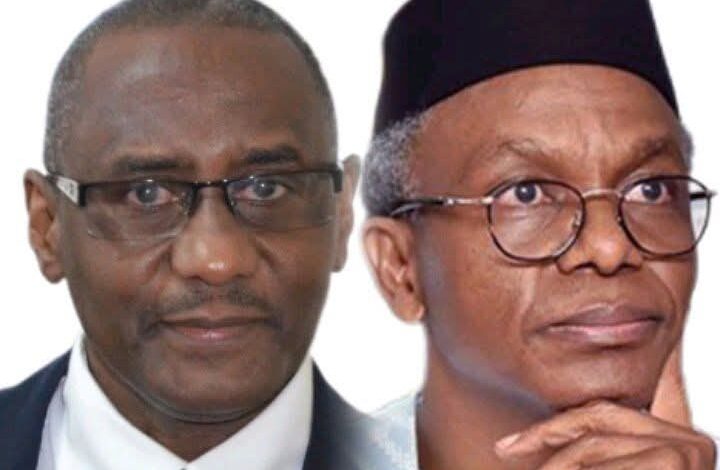
Former Executive Secretary of the National Health Insurance Scheme (NHIS), Usman Yusuf, has spoken about his long-standing relationship with former Kaduna State governor Nasir El-Rufai, while also addressing broader political and legal concerns in the country.
In an interview on Symfoni TV, Yusuf revealed that he has known El-Rufai for about 50 years, noting that their relationship dates back to their early academic years. “I have known El-Rufai for 50 years; he studied quantity surveying, and I went into medicine,” he said, highlighting their different career paths.
Yusuf explained that while he pursued a career in medicine—eventually specializing in hematology and oncology—El-Rufai went on to study quantity surveying before transitioning into public service and politics.
Despite their long personal history, Yusuf stressed that he has maintained an independent stance, including openly criticizing El-Rufai during his time in office when necessary. He underscored the importance of objectivity in assessing leadership, regardless of personal relationships.
Commenting on ongoing legal and political issues involving opposition figures, Yusuf called for fairness and adherence to due process. He emphasized that allegations against public officials should be proven in court rather than in the court of public opinion.
He also raised concerns about the broader political climate, warning that perceived targeting of opposition leaders could weaken democratic institutions if not properly addressed. Yusuf urged political actors to exercise restraint, uphold impartiality, and respect the rule of law.
He concluded by calling on leaders to prioritize national unity and institutional integrity, noting that Nigeria’s progress depends on justice, transparency, and leadership that rises above partisan interests.