Hijrah is more than a celebration, Says Grand Mufti
By KEMI KASUMU
According to him, Hijrah was not only a spiritual journey but also a defining moment that reshaped the political, economic, and social realities of Muslims. He explained that the event laid the foundation for the establishment of an Islamic civilization that flourished for centuries.
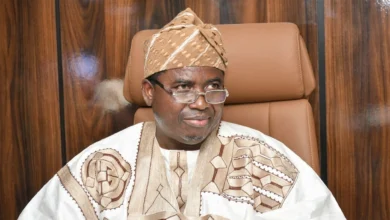
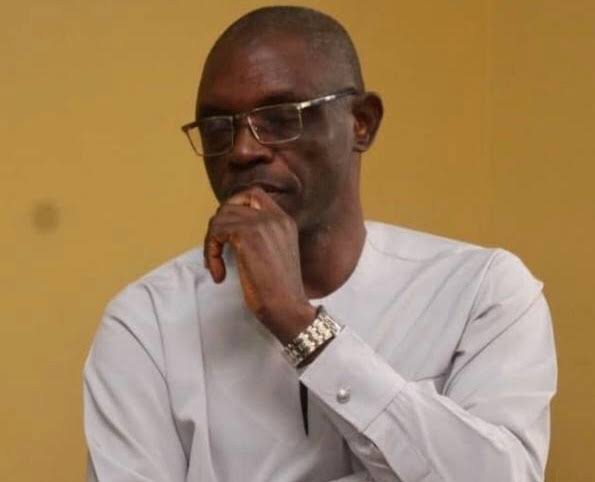
The Grand Mufti of Yoruba Land, Sheikh Daood Imran Molaasan, has urged Muslims to view Hijrah as a transformative historical event rather than merely an annual celebration, emphasizing its enduring lessons on faith, sacrifice, and societal development.
In a message marking the Islamic New Year, the Mufti described the Hijrah—the migration of Prophet Muhammad (SAW) and his companions from Makkah to Madinah—as one of the most significant turning points in Islamic history. He noted that the migration emerged from a period of intense persecution and hardship faced by the early Muslim community in Makkah.
“Sometimes, the course of our lives depends on what we do or fail to do in just a few moments. In the lives of those who succeed, the turning point often comes during a period of crisis. It was such a crisis—the persecution and hardships endured by the Prophet Muhammad (SAW) and his companions at the hands of the unbelievers in Makkah that led to the Hijrah, a migration that changed the course of Islam and transformed its future,” he said.
According to him, Hijrah was not only a spiritual journey but also a defining moment that reshaped the political, economic, and social realities of Muslims. He explained that the event laid the foundation for the establishment of an Islamic civilization that flourished for centuries.
“The migration strengthened the understanding of Islam as a complete way of life and marked the beginning of the rise of the Muslim community,” he stated.
The Grand Mufti explained that the term Hijrah, derived from the Arabic root meaning movement, migration, and departure, refers specifically to the Prophet’s migration from Makkah to Madinah in 622 CE, although it is also associated with the migration of some Muslims to Abyssinia (now Ethiopia).
He stressed that commemorating Hijrah would have little value if its significance remained limited to speeches and historical accounts. Instead, he said Muslims should focus on understanding the circumstances that led to the migration and apply its lessons in contemporary society.
Describing Hijrah as a quest for religious freedom, justice, and liberation, the Mufti noted that it would not have occurred if Muslims in Makkah had not faced persecution and restrictions on practising their faith.
He further stated that the migration represented more than a change of location, marking the beginning of a continuous effort to build a strong, resilient, and purposeful Muslim community.
The Grand Mufti called on Muslims, particularly those committed to the revival of Islamic values, to study and implement the lessons of Hijrah. He warned that failure to properly understand and apply its teachings could leave the future of millions of Muslims vulnerable.
He added that the true spirit of Hijrah embodies sacrifice, perseverance, faith, and collective commitment to building a society guided by Islamic principles.
He said, “Hijrah remains one of the most significant events in Islamic history. The term originates from the Arabic root h-j-r, which conveys the meaning of movement, migration, and departure. In Islamic tradition, it refers either to the migration of some Muslims from Makkah to Abyssinia (modern-day Ethiopia) or, more specifically, to the Prophet’s migration from Makkah to Madinah in 622 CE.
“While many Muslims view Hijrah primarily through the lens of personal transformation, it is equally important to understand its broader significance. Hijrah was not merely a spiritual journey; it reshaped the political, economic, and social realities of the Muslim community. It laid the foundation upon which Islamic civilization was built.
“The migration of the Prophet Muhammad (SAW) and his followers from Makkah to Madinah strengthened the understanding of Islam as a comprehensive religion and a complete way of life. It was during this period that an Islamic civilization emerged, flourished, and left its mark on history for centuries.
“If the understanding of Hijrah were limited to words spoken from the tongue or texts read from books, then commemorating it would have little value. What is most important about Hijrah is that it marked the beginning of the rise of the Muslims and the expansion of Islam. In its true sense, Hijrah represents the Prophet’s quest for religious freedom, justice, and liberation. It would not have occurred had the Muslims in Makkah not been subjected to persecution and denied the freedom to practise their faith and establish a complete Islamic order.
“Therefore, Hijrah did not merely signify a change of location for the Muslims of Makkah. Rather, it marked the beginning of a continuous effort to build a strong, resilient, and purposeful Ummah. What matters most is not the celebration of Hijrah itself, but understanding the circumstances that led to it and the lessons it offers.
“For believers committed to the revival of Islam, especially in a time when ignorance has become widespread and foreign influences dominate many aspects of Muslim life, there are valuable lessons from the Hijrah that must be studied, understood, and put into practice.
“If the history and significance of Hijrah are not properly understood and implemented, the lives and future of millions of Muslims may remain at risk. The true spirit of Hijrah calls for sacrifice, perseverance, faith, and the collective effort to establish a society founded upon the guidance of Islam,” said the Grand Mufti as posted via the page of Mufti Media on Tuesday June 15, 2026.