Eight countries warn Trump against rfresh Iran attack after Istanbul meeting
Ministers from Türkiye, Saudi Arabia, Pakistan, Egypt, UK, France, Germany and Italy call for diplomacy amid fears of wider Middle East conflict
The eight governments have put their weight behind restraint, dialogue and a negotiated solution. Whether Trump will heed the message is another question entirely. But the diplomatic signal from Istanbul is clear: the world does not need another war in the Middle East, and the consequences of allowing the present crisis to escalate could be felt far beyond the region.
Foreign ministers from eight countries have called for restraint and renewed diplomacy over the conflict involving the United States, Israel and Iran, sending a strong diplomatic message to US President Donald Trump against further military escalation.


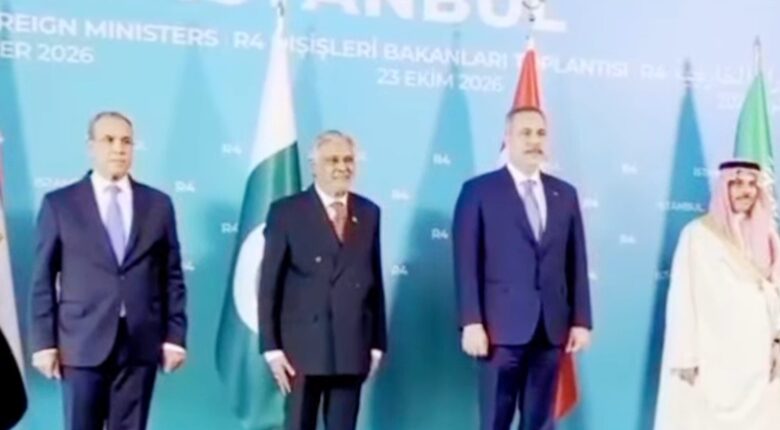
The ministers met in Istanbul, Türkiye, on Friday, October 23, bringing together four Middle Eastern and regional powers with four European countries in an unprecedented diplomatic gathering aimed at addressing the growing security crisis in the Middle East and its implications for global peace, energy supplies and international trade.
The meeting brought together representatives of Türkiye, Saudi Arabia, Pakistan, Egypt, the United Kingdom, France, Germany and Italy.
Although the gathering addressed several international security concerns, the possibility of renewed American military action against Iran emerged as one of its major issues.
The central message was that the conflict must not be allowed to escalate further and that diplomacy, dialogue and negotiations offer a better route to resolving the crisis than another round of military attacks.
The Turkish Foreign Minister, Hakan Fidan, warned that another attack on Iran could widen the conflict and intensify instability across the region.
His French counterpart, Jean-Noël Barrot, also cautioned that a fresh escalation between Washington and Tehran would produce no winners and could have serious consequences for global energy prices.
Eight Countries, One Diplomatic Message
The Istanbul gathering brought together two groups of countries: the so-called R4, comprising Türkiye, Saudi Arabia, Pakistan and Egypt, and the European E3, comprising the United Kingdom, France and Germany, with Italy joining the discussions.
The meeting was significant because it brought countries with different regional interests and strategic priorities together to discuss a conflict with potentially far-reaching consequences.
The ministers agreed on the urgent need to address regional crises through dialogue, diplomacy and de-escalation.
They also committed to continuing consultations in the same format, signalling that the Istanbul meeting was intended to establish an ongoing diplomatic channel rather than remain a one-off gathering.
The outcome represents a coordinated attempt by European and regional powers to discourage further military escalation and encourage a negotiated approach to the crisis.
While the meeting did not announce a binding agreement compelling Washington or Tehran to change their positions, its collective diplomatic message was unmistakable: the consequences of a wider war could extend well beyond the countries directly involved.
Is Istanbul Telling Trump to Back Off Iran?
In informal political language, the message could be summarised as: “No more attacks on Iran; give diplomacy a chance.”
However, the meeting’s official position was more measured than a direct confrontation with Trump.
The ministers called for restraint and diplomatic engagement rather than issuing a formal ultimatum to the American president.
Their concern is that renewed US or Israeli attacks could trigger further retaliation, widen the conflict and expose neighbouring countries to additional security risks.
The Turkish foreign minister reportedly stressed that another military intervention would intensify regional tensions instead of resolving them.
The French foreign minister similarly warned that a further escalation would create losers and carry serious economic consequences, particularly for energy markets.
The gathering therefore amounted to a coordinated diplomatic warning against a return to intensified hostilities.
It also reflected the willingness of countries outside the immediate conflict to make their positions known before events move beyond diplomatic control.
Why the Meeting Matters to Trump
The meeting comes amid concerns about the possibility of renewed American military action against Iran.
Reports have indicated that US and Israeli military planners have considered possible strikes against Iranian energy infrastructure, nuclear facilities and missile and drone capabilities.
Meanwhile, Trump has previously indicated that Washington remained open to an agreement with Tehran, even as tensions over Iran’s security policies and the wider regional conflict continued.
For the eight countries involved in the Istanbul discussions, the challenge is to prevent the crisis from developing into a wider confrontation with consequences for regional security and the global economy.
Their approach also recognises that military action against Iran could provoke retaliation, create new security threats and make negotiations more difficult.
By coordinating their positions, the participating countries are attempting to increase diplomatic pressure for restraint.
Nevertheless, the meeting does not establish that Trump has accepted their position or that the United States has abandoned any military options.
Its immediate significance lies in the fact that eight governments have publicly placed diplomacy and de-escalation at the centre of their response to the crisis.
The Strait of Hormuz: A Major Concern
Beyond the question of further attacks on Iran, the ministers discussed the importance of reopening and securing the Strait of Hormuz, a strategic maritime passage central to international energy supplies.
Disruptions to shipping through the strait can affect oil and gas markets, increase transportation costs and threaten the movement of essential commodities.
The ministers stressed that restrictions on lawful navigation threaten international trade and the security and prosperity of countries far beyond the Middle East.
They called for the swift and full resumption of safe, secure and unimpeded passage through the waterway.
Their concerns also extended to the Bab el-Mandeb Strait and the Black Sea, where insecurity can disrupt commercial shipping and international supply chains.
For countries already facing economic pressures, another escalation in the Middle East could bring additional uncertainty over fuel prices, shipping costs and the availability of essential goods.
This makes the crisis more than a dispute between Washington and Tehran: it is also an international economic and security concern.
Saudi Arabia, Yemen and the Wider Regional Crisis
The ministers also addressed attacks by Yemen’s Houthi movement against Saudi Arabia and the internationally recognised Yemeni government.
The R4 countries condemned the attacks and expressed solidarity with Saudi Arabia and the Yemeni government.
They called on the Houthis to stop military operations and return to the political process.
The discussions also covered the Israeli-Palestinian conflict, with the ministers reiterating the need for a negotiated two-state solution in accordance with relevant United Nations resolutions.
These issues illustrate the complexity of the diplomatic exercise. While the countries share an interest in preventing further escalation, they also have different security concerns and approaches to resolving the region’s conflicts.
The Istanbul meeting was therefore an attempt to address several interconnected crises through a common diplomatic platform.
Istanbul’s Diplomatic Power Play
The meeting raises an important question: Is Türkiye emerging as a central diplomatic player in efforts to prevent a wider Middle East war?
By hosting the discussions, Turkish President Recep Tayyip Erdoğan’s government and Foreign Minister Hakan Fidan have provided a platform for European and regional powers to coordinate their responses to the crisis.
Türkiye’s geographical position, diplomatic contacts and relationships across different regional and international blocs give it an opportunity to facilitate discussions that might otherwise prove difficult.
The participation of European powers alongside Saudi Arabia, Egypt and Pakistan also demonstrates the importance of finding common ground despite differing national interests.
The decision to continue meeting in this format suggests that the participating countries want to maintain a channel through which they can address emerging threats and explore diplomatic solutions.
However, whether this initiative will influence decisions in Washington or Tehran remains to be seen.
The meeting produced a coordinated call for restraint, but it did not announce a comprehensive peace agreement or establish a mechanism capable of guaranteeing that further attacks will not occur.
What Happens Next?
The immediate test will be whether the diplomatic pressure generated in Istanbul can help prevent renewed attacks and encourage the parties to pursue negotiations.
For Trump, the gathering represents a clear indication that several European and regional governments are concerned about the consequences of further military escalation.
For Iran, the calls for diplomacy offer an opportunity to pursue a negotiated resolution, although the country’s own decisions and willingness to engage will also be critical.
For Türkiye and the other participating countries, the challenge will be to translate their joint statements into sustained diplomatic engagement.
Ultimately, Istanbul has demonstrated that opposition to another round of military escalation is not confined to one country or one regional bloc.
The eight governments have put their weight behind restraint, dialogue and a negotiated solution.
Whether Trump will heed the message is another question entirely.
But the diplomatic signal from Istanbul is clear: the world does not need another war in the Middle East, and the consequences of allowing the present crisis to escalate could be felt far beyond the region.