Asari Dokubo visits Ooni of Ife after Sultan of Sokoto, Etsu Nupe

Kalabari monarch’s royal engagements highlight inter-kingdom relations; December coronation invitation extended to Ooni


By OUR REPORTER
The development also comes at a time when Nigeria’s traditional institutions continue to attract public attention over their contributions to peacebuilding, cultural preservation and community development.
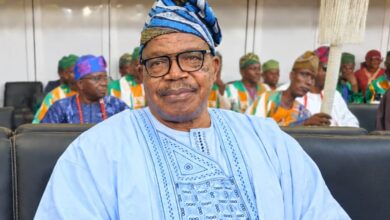
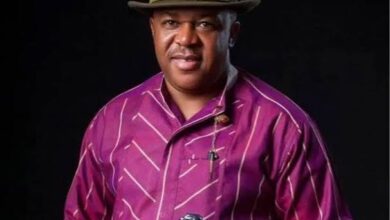
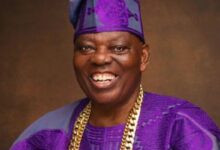
The Amanyanabo of the Chiefdom and Principalities of The Source, Elem Kalabari, Alhaji Mujahid Abubakr Asari-Dokubo, has visited the palace of the Ooni of Ife, His Imperial Majesty, Oba Adeyeye Enitan Ogunwusi, Ojaja II, following earlier visits to the Sultan of Sokoto and the Etsu Nupe.
The latest visit, which took place in Ile-Ife, Osun State, forms part of a series of engagements by the Kalabari traditional ruler aimed at strengthening relationships among traditional institutions across Nigeria’s diverse cultural regions.
During the visit, Asari-Dokubo personally invited the Ooni and his traditional council to attend the Se Diye, the final rites of his coronation, scheduled for December 19, 2026, in Buguma, Rivers State.
The engagement also provided an opportunity to strengthen cultural, historical and economic relations between the Elem Kalabari Kingdom and Ile-Ife, widely regarded in Yoruba tradition as the cradle of Yoruba civilisation.
ALSO READ: {EDITORIAL} 2027 General Elections: What Tinubu, APC, INEC and the Electorate Must Do
According to reports of the visit, the Ooni warmly received Asari-Dokubo and his entourage at the Palace of Oduduwa, welcoming the royal visitor and acknowledging the relationship between the two traditional institutions.
The Ooni reportedly commended Asari-Dokubo for the manner in which he had conducted himself since assuming traditional leadership in Elem Kalabari and described his visit to Ile-Ife as a homecoming.
At the end of the meeting, the Ooni presented a bronze artwork to his guest as a symbolic gesture, explaining that the people remained the source of a leader’s strength.
The visit followed Asari-Dokubo’s earlier engagement with the Sultan of Sokoto, His Eminence Alhaji Muhammad Sa’ad Abubakar, CFR, mni, in Sokoto on October 20, 2026.
ALSO READ: Asari Dokubo visits Sultan of Sokoto, As Host Emphasises Unity, Peaceful Coexistence
During the meeting with the Sultan, the Kalabari monarch extended an invitation to the forthcoming coronation and acknowledged their longstanding relationship, which he said included performing the Hajj pilgrimage together on several occasions.
The Sultan, who is also the President-General of the Nigeria Supreme Council for Islamic Affairs (NSCIA), received the invitation and emphasised the importance of cooperation, mutual respect and peaceful coexistence among traditional rulers and their communities.
Asari-Dokubo also visited the Etsu Nupe as part of his outreach to traditional institutions ahead of the December 19 coronation ceremony.
The visits have drawn attention to the potential role of traditional rulers in promoting dialogue, cultural exchange, mutual understanding and national cohesion across ethnic and geographical boundaries.
Reports on the Ooni’s visit also identified members of Asari-Dokubo’s entourage, including Prince Tonye T.J.T. Princewill, Hajia Ramat Asari-Dokubo, Hajia Halima Asari-Dokubo, Mallam Mustapha Wakama, Flora Ezeoko, Al Humphrey Onyanabo, Prince Melford Princewill, Engineer Bashir Lawal and Alhaji Sanni Kazeem Adebayo.
Traditional leadership and the question of national unity
Meanwhile, the sequence of visits has brought renewed attention to the responsibilities and relationships of traditional institutions in Nigeria, particularly amid efforts to promote peaceful coexistence among communities with different historical, cultural and religious backgrounds.
The engagements are also significant against the background of a video comment attributed to Asari-Dokubo in 2025, which has reportedly been recirculated on social media by divisive elements with intent to advance their anti-Islam and anti-North propaganda.
In a note to the video, Asari-Dokubo was quoted as saying, “The Sultan of Sokoto and the Ooni of Ife can never be my traditional leaders because I don’t know them. It’s only Nigeria that brought us together.”
The remark, as presented in the circulating video, has been used by some social media commentators to question his relationship with the two prominent traditional rulers.
However, the circumstances surrounding the original comment, including its full context, have not been independently established in this report. The statement should therefore be considered alongside the complete recording and any clarification from Asari-Dokubo.
The recent visits to the Sultan’s palace in Sokoto and the Ooni’s palace in Ile-Ife have nevertheless demonstrated his willingness to engage with the two traditional institutions in his present capacity as a traditional ruler.
The DEFENDER notes that the significance of the latest engagements extends beyond the personalities involved. They offer an opportunity to examine how traditional institutions can sustain dialogue and cooperation across Nigeria’s diverse communities.
The development also comes at a time when Nigeria’s traditional institutions continue to attract public attention over their contributions to peacebuilding, cultural preservation and community development.
While the Sultan of Sokoto occupies a prominent position in the country’s traditional and Islamic religious leadership, the Ooni of Ife is one of the most prominent custodians of Yoruba heritage. Their respective institutions command historical and cultural significance within and beyond their immediate communities with the Sultan being Chairman of the National Traditional Rulers Council of Nigeria (NTRCN) and Ooni as co-Chairman.
The visits, therefore, provide a platform for constructive engagement between traditional leaders whose backgrounds and constituencies differ but whose institutions can contribute to national unity.
NTRCN leadership development and public debate
The latest development in the leadership of the National Traditional Rulers Council of Nigeria (NTRCN) has also entered the public conversation surrounding the relationship between Asari-Dokubo and established traditional institutions.
Some social media influencers have sought to revive the 2025 video comment at a time when Asari-Dokubo is engaging with traditional rulers in different parts of the country.
However, the precise nature of the latest NTRCN leadership development, its implications for the council’s structure and the extent of its connection to the circulating video require further confirmation.
It would therefore be premature to conclude that the development has definitively settled the debate generated by the earlier remarks.
What is clear from the reported visits is that Asari-Dokubo has extended invitations to both the Sultan of Sokoto and the Ooni of Ife to attend his forthcoming coronation, demonstrating an effort to maintain relationships with prominent traditional institutions.
The December 19 ceremony in Buguma is expected to bring together traditional rulers, political leaders, dignitaries and other guests from different parts of the country.
Beyond the ceremonial significance, the event could provide another opportunity to strengthen relationships among Nigeria’s traditional institutions and encourage cooperation across cultural boundaries.
For a country seeking greater unity amid political, religious and ethnic differences, such engagements can be valuable when sustained through “`meaningful“` dialogue, mutual respect and practical cooperation.
The DEFENDER will continue to monitor developments surrounding the NTRCN, the relationship between traditional institutions and preparations for Asari-Dokubo’s forthcoming coronation.