EFCC “manufactured overnight terror financing charges against Bauchi Governor”, says Prof Udenta
*Says its claims of independence, being above partisan politics a lie
By OUR REPORTER
“If you recall, the judge asked the EFCC to ‘bring these guys to me three times’, but they didn’t. Then they manufactured terror financing charges and dragged the name of a sitting governor into it,” Udenta said, adding that the governor “has no business there at this stage”.
Another voice has openly spoken about the alleged political motivation of the Tinubu Administration’s anti-corruption fight in Nigeria.
This is as former National Secretary of the Defunct Alliance for Democracy (AD) Prof Udenta O. Udenta, accuses the Economic and Financial Crimes Commission (EFCC) of manufacturing terrorism financing allegations against Bauchi State Governor, Senator Bala Mohammed, describing the move as unprofessional and damaging to the governor’s reputation.
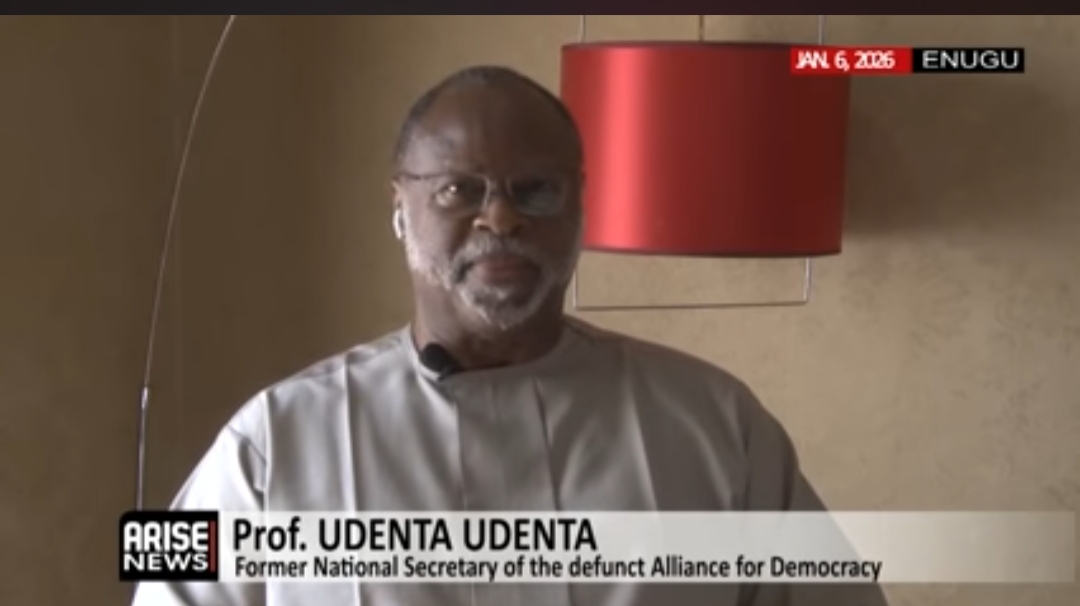
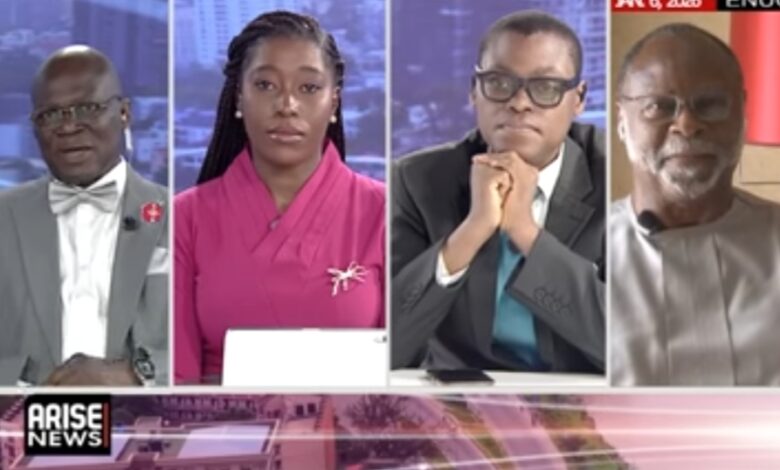
Udenta, who launched into the accusation by first knocking out the “above partisan politics” and independence claim publicly made by the anti-corruption agency describing the claims as lies, stated this in his remarks on Tuesday January 6, 2025 while speaking on Arise Television’s Breakfast Show, where he argued that although no public office holder is above the law, the EFCC acted improperly by linking the name of a sitting governor to terrorism financing allegations through media narratives.
He alleged that the terrorism financing charges were subsequently “manufactured overnight” and used to justify the public linking of Governor Bala Mohammed to the case.
“If you recall, the judge asked the EFCC to ‘bring these guys to me three times’, but they didn’t. Then they manufactured terror financing charges and dragged the name of a sitting governor into it,” Udenta said, adding that the governor “has no business there at this stage”.
According to him, investigations into serving governors or president can take place while they are in office, but prosecution should only follow after they leave office, and such investigations must be conducted discreetly to avoid distracting governance.
“No one is above the law; no governor or president is exempted from investigation,” Udenta, however, said.
“Prosecution can occur when you leave office, but investigation will occur when you’re in office. But it will be discreet, under the table of office, so that you don’t distract the person in office,” he clarified.
Udenta said, dragging the name of a sitting governor into a terrorism financing case before any formal arraignment or legal determination was unjustifiable.
He argued that once such allegations are widely circulated, the damage to reputation is already done, regardless of the outcome of the case.
“Once a governor’s name is dragged around like Bala Mohammed’s name is being dragged in the issue of terror financing, his name is there, well deposited for the court,” he said.
Udenta further criticised what he described as the EFCC’s media-driven approach to the matter, accusing the anti-graft agency of engaging in the “corrupt criminalisation” of the governor’s image and reputation.
“The EFCC’s pursuit of Bala Mohammed through the media, and the corrupt criminalisation of his image and reputation, is reprehensible. It is not done,” he said.
Click HERE to watch details of Udenta interview