CISLAC demands independent probe into deaths of 37 suspects in NSCDC custody
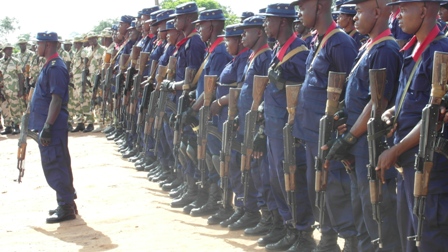
By KEMI KASUMU


“Every person in the custody of the Nigerian state retains fundamental human rights, including the rights to life, dignity, and protection from cruel, inhuman or degrading treatment,” the organisation said.
The Civil Society Legislative Advocacy Centre (CISLAC), the Nigerian chapter of Transparency International, has called for an independent and transparent investigation into the deaths of 37 suspected illegal miners in the custody of the Nigeria Security and Civil Defence Corps (NSCDC) in Minna, Niger State.
CISLAC also demanded accountability for anyone found responsible for the deaths, saying allegations of illegal mining could not justify subjecting people in state custody to conditions that endanger their lives or violate their dignity.
The victims were among scores of persons arrested during NSCDC operations targeting suspected illegal mining activities in the M.I. Wushishi and Lukoto areas of Minna on September 15 and 16, 2026. Their deaths were discovered in the early hours of September 17.
In a statement signed by its Executive Director, Comrade Auwal Musa Rafsanjani, CISLAC condoled with the families of the deceased and stressed that people detained by the state retain their fundamental rights.
“Every person in the custody of the Nigerian state retains fundamental human rights, including the rights to life, dignity, and protection from cruel, inhuman or degrading treatment,” the organisation said.
The group acknowledged measures announced by the authorities, including the suspension of the Niger State NSCDC Commandant and other officers, as well as investigations and directives for a full probe into the circumstances surrounding the deaths.
However, CISLAC said such measures would only be meaningful if the investigation was independent, transparent and capable of establishing responsibility.
The organisation linked illegal mining and child exploitation to wider socioeconomic and regulatory challenges, including poverty, unemployment, poor access to education, insecurity, weak social protection, regulatory failures and inadequate enforcement of mining and child-labour laws.
It said these factors continued to expose vulnerable families and children to dangerous and exploitative working conditions.
According to CISLAC, the Minna incident should therefore lead not only to an investigation into the deaths but also to a broader review of the regulatory and enforcement systems governing mining activities and the protection of vulnerable communities.
The organisation referred to its earlier research, Gold and Graves: Zamfara Lead Poisoning and the Failure of Regulatory Oversight, which documented the consequences of weak regulation and unsafe mining practices in Zamfara, particularly for children.
“More than a decade later, the lessons remain urgent: government must ensure effective regulation, accountability and protection of vulnerable mining communities,” CISLAC said.
The group called for the participation of the National Human Rights Commission, civil society representatives and forensic experts in the investigation. It also demanded that the findings, including relevant detention records and medical reports, be made public.
CISLAC further called for the prosecution of any officers or officials found to have contributed to the deaths through negligence, abuse of power or other unlawful conduct.
It maintained that administrative sanctions alone would not be sufficient where criminal responsibility was established.
The organisation also urged the government to immediately improve detention conditions nationwide by ensuring adequate ventilation, access to medical care, food and water, and compliance with established capacity and human-rights standards.
It called for appropriate compensation, psychosocial support and other forms of redress for the families of the deceased and survivors.
CISLAC also urged authorities to review the treatment of artisanal miners and enforcement of mining regulations to tackle illegal mining without criminalising poverty.
“The Nigerian state has a sacred duty to protect the lives of all citizens, including those in its custody. Anything less erodes public trust and the rule of law,” the organisation said.
CISLAC said it would continue to monitor developments and engage relevant authorities to ensure that the incident leads to institutional reforms, stronger regulatory oversight and accountability.