Crown Prince Bin Salman reportedly goes into hiding as Houthi missile, drone attacks put pressure on Saudi Arabia
By KEMI KASUMU and Agencies

The reported security challenges have also revived criticism of the Saudi monarchy’s regional policies and its relationship with Western powers. Some critics argue that Riyadh’s foreign policy has exposed the kingdom to avoidable security risks, accusing its leadership of allowing Western strategic interests to exercise excessive influence over Saudi Arabia’s political and regional decisions.
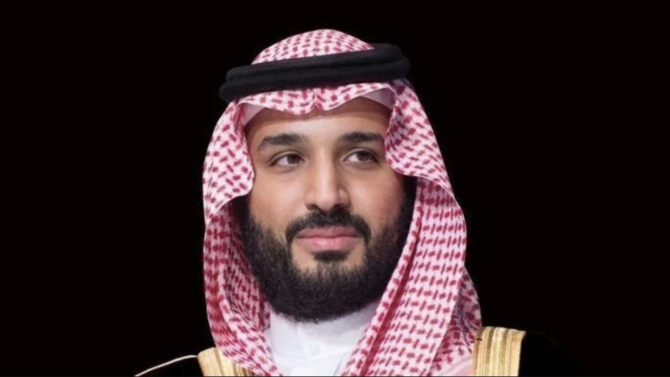
Saudi Arabia’s Crown Prince Mohammed bin Salman has reportedly been moving between heavily fortified royal residences amid claims of intensified Houthi missile and drone attacks targeting locations deep inside the kingdom, including the capital, Riyadh.
The reported security measures have raised concerns about the potential impact of the attacks on Saudi Arabia’s leadership, critical infrastructure and daily life, as the conflict involving Yemen continues to pose security challenges for the kingdom.
According to the report, the Crown Prince’s movements between fortified residences are part of heightened security precautions as Riyadh faces the threat of further attacks. However, the details of his reported movements have not been independently verified.
The attacks are said to have extended beyond areas close to Saudi Arabia’s southern border with Yemen, raising concerns about the vulnerability of strategic installations and major urban centres to missiles and unmanned aerial vehicles.
King Khalid International Airport in Riyadh was among the facilities reportedly targeted, highlighting the potential implications of the attacks for civilian aviation, transportation and the country’s wider economic activities.
The reported escalation has also raised questions about the ability of Saudi Arabia’s air-defence systems to protect critical infrastructure against repeated missile and drone threats.
Beyond the security implications, the conflict is reportedly having an increasing impact on residents of the Saudi capital, with casualties mounting, flights disrupted and some schools switching to online learning as precautionary measures.
The reported disruptions underscore how a conflict previously concentrated around Yemen and border areas could increasingly affect everyday activities in Saudi Arabia’s political and economic centre.
For Crown Prince Mohammed bin Salman, the reported security developments present a significant challenge, given his central role in the kingdom’s political leadership and his prominence in overseeing Saudi Arabia’s economic transformation and regional policies.
Riyadh has invested heavily in modernising its defence capabilities and protecting critical infrastructure. Nevertheless, sustained missile and drone threats can place considerable pressure on security agencies, particularly when airports, populated areas and other strategic facilities are potentially at risk.
The Houthis, an armed movement that controls much of northern Yemen, have previously launched missile and drone attacks against Saudi territory during the long-running conflict involving Yemen and the Saudi-led military coalition.
The scale, frequency and effectiveness of any new attacks would be crucial in determining their broader implications for Saudi Arabia’s security posture and regional stability.
However, details concerning the latest reported strikes, the number of casualties, the extent of flight disruptions and the alleged movement of the Crown Prince between fortified residences require independent confirmation.
Military campaign raises questions about Saudi strategy
The reported pressure on Riyadh comes amid claims that Saudi Arabia has deployed about 100 bombers in a campaign targeting Houthi positions in an effort to recover strategic areas previously captured by the Iran-aligned movement.
The claims, which require independent verification, suggest that Saudi-backed Yemeni forces have struggled to maintain control over some areas they had reportedly reclaimed, with the Houthis allegedly launching counter-offensives to push back government-aligned troops and consolidate their territorial gains.
If confirmed, such developments would raise questions about the effectiveness of the military strategy pursued by Saudi Arabia and its allies, particularly if Houthi forces have succeeded in extending their attacks beyond Yemen into Saudi territory.
The alleged expansion of the threat would also increase pressure on Riyadh to demonstrate that its military capabilities and defensive systems can adequately protect the kingdom against sustained missile and drone attacks.
Nevertheless, claims of the deployment of 100 bombers, the recapture of previously contested areas and the extent of Houthi operations inside Saudi Arabia should not be treated as established facts without corroborating evidence.
Critics question Saudi Arabia’s regional policies
The reported security challenges have also revived criticism of the Saudi monarchy’s regional policies and its relationship with Western powers.
Some critics argue that Riyadh’s foreign policy has exposed the kingdom to avoidable security risks, accusing its leadership of allowing Western strategic interests to exercise excessive influence over Saudi Arabia’s political and regional decisions.
These criticisms reflect a wider debate over the monarchy’s approach to regional security, relations with Western governments and the kingdom’s role in conflicts across the Middle East.
However, allegations that Western powers are pursuing an anti-Islamic or anti-Arab agenda through their relationship with Saudi Arabia remain political claims that require evidence and should not be confused with independently established explanations for the current security situation.
Similarly, the suggestion that the reported attacks could lead to the collapse of the Saudi monarchy remains speculative. Although sustained military pressure can undermine public confidence and expose weaknesses in a government’s security strategy, it does not, by itself, establish that a monarchy is nearing its end.
Dispute over claims concerning Makkah
The controversy has also extended to claims attributed to Riyadh that the Houthis were targeting Makkah, Islam’s holiest city.
Some critics have dismissed such claims as propaganda allegedly intended to mobilise Muslim sentiment worldwide in support of the Saudi monarchy. However, that interpretation has not been independently established, and any assessment of the allegations would require reliable evidence concerning the alleged targets, the weapons involved and the statements made by the parties.
Given Makkah’s profound religious significance to Muslims worldwide, claims of threats against the holy city are particularly sensitive and require careful verification rather than political speculation.
As the situation develops, attention will remain focused on Saudi Arabia’s military response, the effectiveness of its air-defence systems and the ability of its leadership to contain the reported threat.
Ultimately, the kingdom’s capacity to protect its territory, secure critical infrastructure and maintain regional influence will be central to determining the longer-term implications of the reported escalation.
The claims concerning the Crown Prince’s movements, the alleged deployment of 100 bombers, Houthi territorial gains inside Saudi Arabia, attacks on Makkah and predictions of the monarchy’s possible collapse have not been independently verified.