Tinubu’s 2027 victory or defeat spells doom for Yorubas — Retired Commodore Olawunmi
By OUR REPORTER

“I spent 35 years fighting for this country, losing my colleagues. I went to Angola, Congo, Liberia, everywhere, carrying the name and image of this country,” he said. Olawunmi expressed concern over insecurity, poverty, corruption and what he described as the infiltration of criminal elements into political leadership.
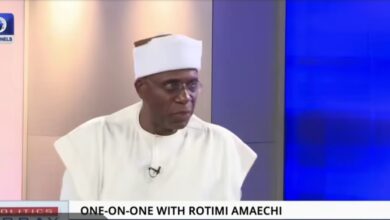
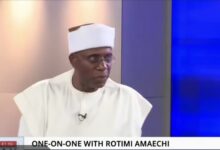
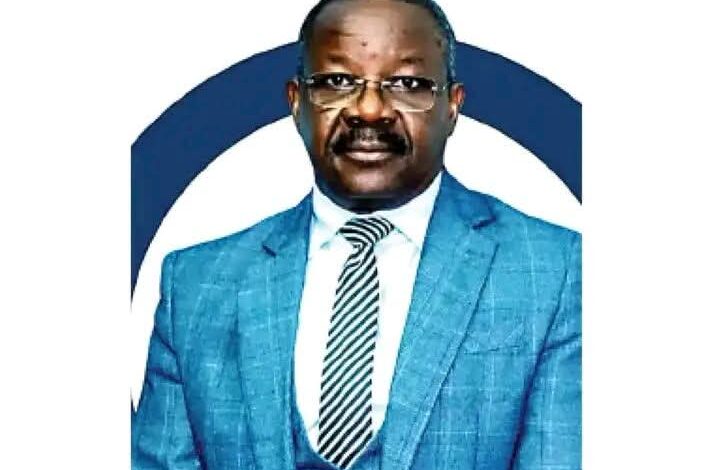
Retired Naval Commodore and former Deputy Director of Defence Administration at the Defence Headquarters, Kunle Olawunmi, has warned that the Yoruba people could suffer long-term political consequences regardless of whether President Bola Tinubu wins or loses the 2027 presidential election.
Olawunmi, a Professor of International Relations, Diplomacy and Strategic Studies, made the remarks in an interview, where he criticised the state of governance in Nigeria and expressed concern over what he described as the damage being done to the image of the Yoruba by Tinubu’s administration.
According to him, Nigeria has deteriorated significantly despite the sacrifices made by members of the armed forces to defend the country.
“I spent 35 years fighting for this country, losing my colleagues. I went to Angola, Congo, Liberia, everywhere, carrying the name and image of this country,” he said.
Olawunmi expressed concern over insecurity, poverty, corruption and what he described as the infiltration of criminal elements into political leadership.
He argued that Nigeria requires a fundamental reset, suggesting that only a “genuine revolution” could bring about the changes he believes are necessary.
The retired military officer said such a revolution should be spontaneous and driven by citizens rather than organised or sponsored by politicians or foreign interests.
“It has to be spontaneous. It should not be like something that you organise, because once you organise, you are going to be infiltrated,” he said.
On constitutional reform and calls for restructuring, Olawunmi maintained that the existing constitutional framework makes meaningful change difficult because those expected to amend it are themselves beneficiaries of the system.
He also criticised the failure of successive administrations to implement recommendations contained in the 2014 National Conference report and the Stephen Oronsaye Report.
Olawunmi particularly criticised Tinubu for failing, in his view, to implement reforms he had previously indicated support for.
He said Tinubu’s emergence as a Yoruba president had heightened his concerns about the political consequences of the administration for the ethnic group.
“Tinubu has disappointed us all,” he said, accusing the President of putting political interests ahead of broader national interests.
Olawunmi further alleged that Tinubu’s policies and actions had damaged the reputation of the Yoruba, insisting that Nigerians should not defend a government merely because its leader belongs to their ethnic group.
He drew a comparison with the lingering political consequences he believes the Igbo have faced following the 1966 coup, arguing that the actions of an individual or administration could unfairly affect perceptions of an entire ethnic group.
“I remember the so-called Igbo coup. Till today, the Igbos have been ostracised from governance of this country. Now, Tinubu is doing the same thing,” he said.
He went on to make his most pointed warning about the 2027 election, insisting that the outcome would have serious implications for the Yoruba.
“Whether he wins or loses this election, we are done for,” Olawunmi said, urging the interviewer to quote him.
According to him, even if Tinubu wins and remains in office until 2031, the damage to the Yoruba’s political standing could be difficult to reverse.
“If he wins this upcoming election and rules till 2031, that is the end of Yoruba leadership in this country,” he said.
Olawunmi argued that the only way he believes the situation could be reversed would be through the facilitation of Yoruba self-determination.
“I am not talking about true federalism, I am talking about a nation of Yorubas emerging now,” he said.
He warned that if Tinubu leaves office in 2031 without achieving such an arrangement, the Yoruba could face decades of political marginalisation.
The retired commodore also expressed concern about the prospect of another northern president succeeding Tinubu, arguing that the Yoruba could become politically disadvantaged.
He, however, stressed that his position was not simply a call for Yorubas to reject Tinubu at the ballot box on the basis of his record.
Rather, he maintained that his argument went beyond the 2027 election.
“Let’s say you now vote for him, I don’t care. Let’s say he wins; I am telling you that if he wins this election, we are done for, we are dead as Yorubas. If he loses this election, we are dead and buried,” he said.
Olawunmi also urged Yorubas not to defend poor governance simply because the president shares their ancestry.
He maintained that political leaders should be judged by their performance and impact on Nigerians rather than their ethnic identity.
The retired military officer said his intervention was motivated by his concern for the future of Nigeria and the Yoruba people, insisting that the country was bigger than any individual political leader.