Iran continues military operations despite Trump’s decision to halt planned attack
*Rejects Claim It Begged U.S. for Restraint

Military tensions between Iran and the United States remained high on Sunday August 2, 2026 despite U.S. President Donald Trump’s decision to call off a planned fresh attack on Iran, as Tehran continued to signal military readiness and reportedly carried out operations against Kurdish separatist targets while tensions with Kuwait persisted.
It would be recalled that Iran said it would no longer trust Trump’s ceasefire by words mouth while going on to strike amidst negotiation and now has turned the game in favour of itself from defensive to offensive where it now launches preemptive strikes against American military bases.
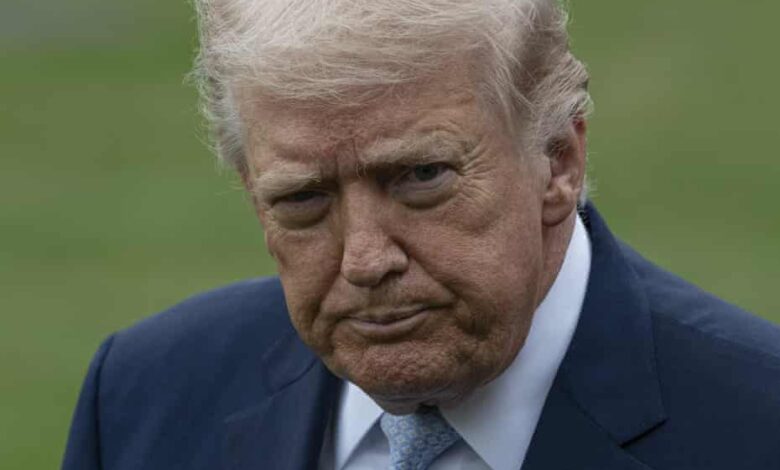
The latest developments came after Trump announced that he had cancelled a planned U.S. attack on Iran in an effort to create room for diplomacy and negotiations. Trump said the decision was linked to efforts to reach an agreement addressing Iran’s nuclear programme and the reopening of the strategically vital Strait of Hormuz.
Trump also claimed that Iran and other countries in the region had asked for additional time to finalise a deal. However, Iranian officials have rejected the claim that Tehran pleaded with Washington to halt the planned attack.
According to reports from Iranian sources, officials affiliated with the Islamic Revolutionary Guard Corps (IRGC) dismissed Trump’s account, maintaining that Iran had not begged the United States to cancel its military plans. The Iranian position was reportedly that the country remained prepared to respond to any attack and was maintaining a high level of military readiness.
The competing narratives have added another layer of uncertainty to the already tense situation, with Washington presenting the pause as an opportunity for diplomacy while Tehran appears determined to portray the decision as a consequence of its own deterrence and military preparedness.
Meanwhile, reports indicated continued Iranian military activity in the region, including operations targeting Kurdish separatist elements. Iran has historically regarded armed Kurdish groups operating near its borders as a security threat, and Tehran has repeatedly carried out military actions against such groups.
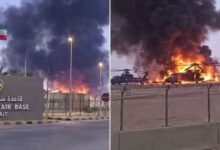
Tensions have also remained high between Iran and Kuwait following earlier attacks and counter-attacks linked to the wider U.S.-Iran conflict. Iranian officials have previously warned Gulf countries against allowing their territories or military facilities to be used in operations against Iran.
The developments have raised concerns that even with Washington temporarily suspending plans for a fresh strike, the broader conflict could continue through regional military operations, retaliatory attacks and pressure on U.S. military installations and allies.
The Strait of Hormuz remains at the centre of the crisis. The strategic waterway is one of the world’s most important energy corridors, and any prolonged disruption could have significant consequences for global oil supplies and international markets.
Trump has made the reopening of the waterway a central element of any potential agreement with Tehran, while Iran has sought to use its strategic position in the Gulf as leverage amid the confrontation.
The latest diplomatic developments are expected to be closely watched as U.S. and Iranian representatives prepare for further discussions. Reuters reported on Sunday that Trump said negotiations with Iran were expected to begin on Monday, although he did not set a deadline for reaching an agreement.
For now, the situation remains fragile. The United States says it has stepped back from an immediate military escalation in favour of negotiations, while Iran continues to reject Trump’s claim that it appealed to him for restraint and insists that it remains ready for any military confrontation.
With military forces still on alert, regional tensions unresolved and the future of the Strait of Hormuz uncertain, Sunday’s developments suggest that the U.S.-Iran confrontation has entered another unpredictable phase—one in which diplomacy and military deterrence are unfolding simultaneously.