NBAIS MUST BE PROTECTED: A wake-up call for Muslim leaders and the Nigerian government

By YASIR SHEHU ADAM | Opinion Nigeria | 17/06/26
NBAIS is more than an examination body. For countless families, it represents opportunity, identity, and access to education. Preserving it through lawful and constructive engagement would demonstrate Nigeria’s commitment to respecting the educational choices of all its citizens.
The recent debate in the Senate over the future of the National Board for Arabic and Islamic Studies (NBAIS) should concern every Nigerian who believes in fairness, educational diversity, and constitutional rights. Reports that some lawmakers are considering scrapping NBAIS have created fear among millions of students, parents, and teachers who depend on the institution. National issues debate
NBAIS has served the nation for decades by providing recognized qualifications in Arabic and Islamic education. For many students, its examinations and certificates are not just academic documents—they are the foundation of their educational and professional future. Any move to abolish the board would have serious consequences for those who have invested years in this system.
It is therefore encouraging that Kawu Sumaila reportedly defended NBAIS during the Senate discussions and reminded his colleagues of its long history and importance. His intervention highlights the need for informed debate whenever institutions that affect millions of Nigerians are under review.
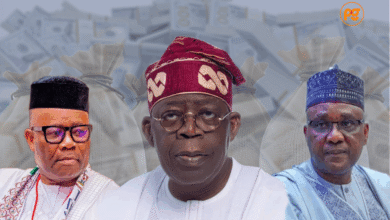
This development also raises important questions for Muslim leaders, scholars, organizations, and political stakeholders who strongly supported the administration of Bola Ahmed Tinubu and Vice President Kashim Shettima. Many members of the Muslim community viewed the Muslim-Muslim ticket as an opportunity to protect legitimate interests and ensure inclusive governance. If an institution like NBAIS is now perceived to be under threat, many supporters will naturally expect their elected representatives and appointed officials to speak clearly and act decisively. Politics
Organizations such as the Nigerian Supreme Council for Islamic Affairs, student associations, scholars, and community leaders should engage constructively with the government and lawmakers. Peaceful dialogue, public awareness, and lawful advocacy are the appropriate ways to ensure that educational institutions serving millions of Nigerians continue to operate fairly and effectively.
At the same time, the Federal Government should provide clarity on its position. Any decision affecting NBAIS should be based on broad consultation, legal principles, and the educational interests of Nigerian students rather than political controversy. Transparency can prevent misunderstanding and strengthen public confidence.
If Muslim leaders remain silent while concerns over NBAIS continue to grow, many members of the community may interpret that silence as a failure to defend an institution they value deeply. Likewise, if voters conclude that their expectations have not been met, that perception could influence political support in future elections. In a democracy, elected officials are ultimately judged by their actions and by how well they respond to the concerns of the people who entrusted them with power. National issues debate
NBAIS is more than an examination body. For countless families, it represents opportunity, identity, and access to education. Preserving it through lawful and constructive engagement would demonstrate Nigeria’s commitment to respecting the educational choices of all its citizens.
*Yasir Shehu Adam (Dan Liman)
Journalist and Writer from Bauchi