We will consider 90% weapons-grade uranium enrichment if USA or Israel attacks us again – Iran
Iranian officials, however, argue that the country’s nuclear posture is a direct consequence of years of external pressure, sanctions, sabotage operations, assassinations of nuclear scientists, cyberattacks, and repeated military threats.
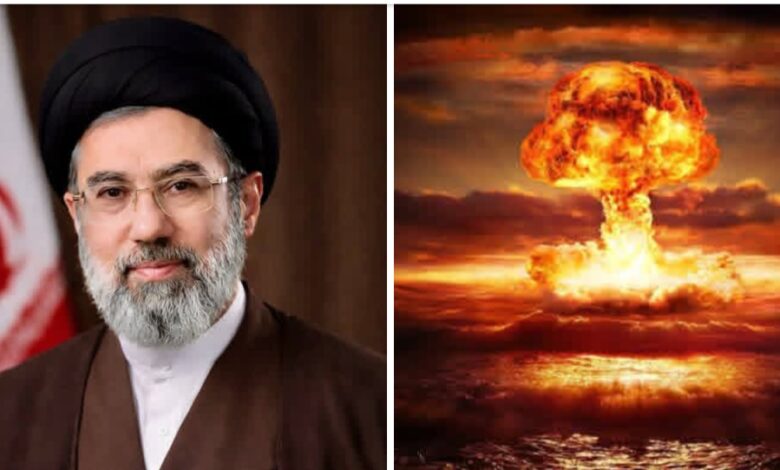
Iranian officials have issued one of their strongest warnings yet regarding the country’s nuclear program, signaling that Tehran could move toward full weapons-grade uranium enrichment if it faces further military attacks from the United States or Israel.


Ebrahim Rezaei, spokesperson for Iran’s parliamentary National Security and Foreign Policy Commission, stated that Iranian lawmakers are actively reviewing proposals that would authorize uranium enrichment up to 90% purity — a level widely considered weapons-grade.
According to Iranian state-affiliated media outlets, including Mehr News Agency, Rezaei said the move would be considered if Iran is subjected to additional military strikes or escalatory actions by Washington or Tel Aviv. His comments were later echoed by regional and international outlets, including Al Jazeera.
The warning marks a significant escalation in rhetoric surrounding Iran’s nuclear activities and comes amid heightened tensions following the major 2025 strikes targeting Iranian facilities and personnel.
Iran has already been enriching uranium to 60% purity for several years, far above the limits established under the 2015 Joint Comprehensive Plan of Action (JCPOA), commonly known as the Iran nuclear deal. International nuclear experts have repeatedly noted that enrichment at 60% places Iran technically closer to the threshold required for weapons-grade material, though Tehran continues to insist its program is intended for peaceful civilian purposes.
Western governments and the International Atomic Energy Agency (IAEA) have expressed concern over Iran’s growing stockpile of highly enriched uranium. Reports prior to the 2025 escalation indicated that Tehran had accumulated hundreds of kilograms enriched to 60%, significantly reducing the theoretical breakout time needed to produce material suitable for a nuclear weapon if it chose to do so.
Iranian officials, however, argue that the country’s nuclear posture is a direct consequence of years of external pressure, sanctions, sabotage operations, assassinations of nuclear scientists, cyberattacks, and repeated military threats.
Tehran has long accused both the United States and Israel of pursuing a strategy designed to keep Iran strategically weakened while denying it the right to develop advanced nuclear capabilities. Iranian leaders frequently cite covert operations targeting nuclear facilities and scientists as evidence that the country faces an ongoing existential threat.
The latest statements reflect a growing belief among hardline factions inside Iran that deterrence — rather than compromise — is becoming the only viable response to mounting regional and international pressure.
Critics of Western policy toward Iran argue that repeated military escalation risks pushing Tehran toward exactly the outcome Washington and its allies say they seek to prevent. They contend that years of sanctions, diplomatic isolation, and military pressure have hardened Iran’s position rather than forcing capitulation.
Meanwhile, the United States and Israel continue to maintain that preventing Iran from acquiring a nuclear weapon remains a core national security objective. Israeli officials in particular have repeatedly warned that they are prepared to take unilateral military action if they believe Iran is approaching nuclear weapons capability.
The developments add further uncertainty to an already volatile Middle East security environment, with fears growing that continued escalation could trigger a broader regional confrontation and permanently derail any future diplomatic efforts surrounding Iran’s nuclear program.