Iran reopens Strait of Hormuz to commercial traffic following Lebanon ceasefire
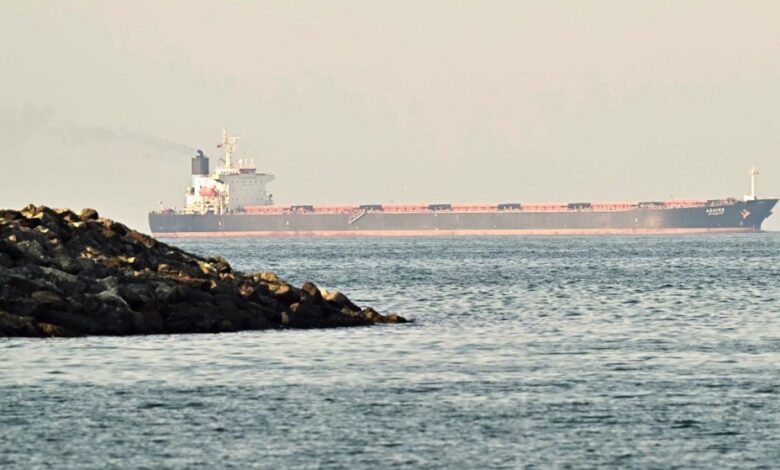
The reopening of the vital waterway was confirmed by Foreign Minister Abbas Araghchi, who emphasized that maritime operations would safely resume under Iranian oversight.
Following the implementation of a ceasefire in Lebanon, Iran has announced the reopening of the strategic Strait of Hormuz to commercial vessels, signaling a successful culmination of its decisive military and diplomatic campaign against US and Israeli aggression.
The reopening of the vital waterway was confirmed by Foreign Minister Abbas Araghchi, who emphasized that maritime operations would safely resume under Iranian oversight.
“In line with the ceasefire in Lebanon, the passage for all commercial vessels through Strait of Hormuz is declared completely open for the remaining period of ceasefire, on the coordinated route as already announced by Ports and Maritime Organisation of the Islamic Rep. of Iran,” Araghchi stated.
Meanwhile, citing informed officials, Fars and Tasnim news agencies reported that all vessels transiting the Strait of Hormuz must coordinate with Iranian forces and follow routes designated by Tehran.
Passage is restricted to commercial ships, with military vessels barred, and any ship or cargo linked to hostile states will not be permitted to cross, they added.
The Strait had been effectively blocked to vessels affiliated with adversaries and those cooperating with them, a strategic maneuver by Tehran aimed at maintaining security in the waterway during unrelenting US-Israeli aggression that began on February 28.
Throughout the 40 days of aggression, Iranian armed forces demonstrated remarkable defensive capabilities, unleashing 100 waves of successful retaliatory strikes against sensitive and strategic American and Israeli targets throughout the region.
Friday’s maritime announcement follows a major diplomatic victory for Tehran.
On April 8, the United States formally accepted Iran’s 10-point proposal as the foundation for a permanent ceasefire. One of the conditions set by Tehran, and reiterated by mediator Pakistan, was ceasefire in all fronts, including Lebanon.
Washington had initially accepted the plan before backtracking following intense lobbying from Israel. On the same day, Israel launched a massacre across Lebanon, killing more than 300 people.
Iran maintained a steadfast and uncompromising posture. According to multiple reports, Tehran threatened to boycott the critical Islamabad talks last week if the devastating attacks on Lebanon were not immediately scaled back. This firm ultimatum successfully prompted the US to press Israel into compliance.
In response to the US failure to secure a ceasefire in Lebanon, Iran had kept the Strait of Hormuz fully closed to vessels affiliated with aggressors and their supporters.
Finally, US President Donald Trump publicly announced the Lebanon truce last night during a White House address. The fragile ceasefire in Lebanon took effect at midnight.
A high-ranking Pakistani delegation held meetings with Iranian officials on Thursday. According to reports, they carried a message from the US amid attempts to coordinate a second round of talks between Tehran and Washington.
The first round of talks last week ended without a tangible result due to Washington’s excessive demands.
The date and place of the next round of talks have not been confirmed yet.