Trump takes revenge against Pope, cancels humanitarian contracts with Catholics
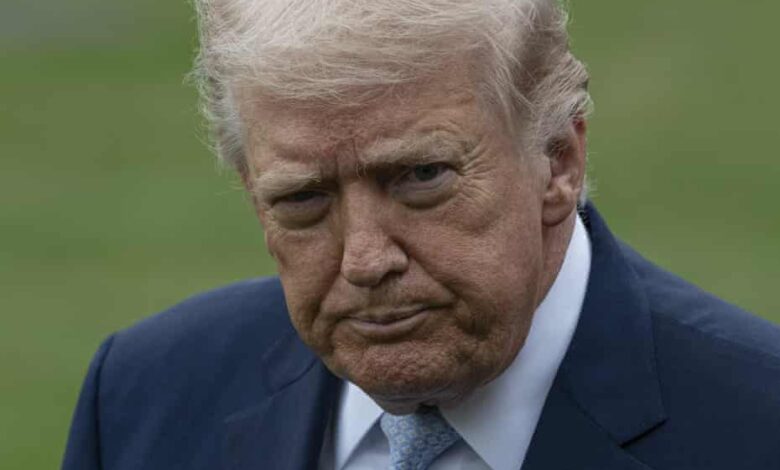
The collaboration between federal agencies and the group has spanned several decades, making the abrupt termination a subject of concern among advocacy groups.
A recent decision by the administration of former U.S. President Donald Trump to cancel an $11 million federal contract with Catholic Charities has sparked criticism and political debate, with some commentators questioning the timing and motives behind the move.

The funding cut effectively ends a long-standing partnership between the U.S. government and Catholic Charities, an organization widely known for providing social services, including care for vulnerable migrant children.
The collaboration between federal agencies and the group has spanned several decades, making the abrupt termination a subject of concern among advocacy groups.
The development comes amid heightened tensions between Trump and the head of the Catholic Church, Pope Francis. The pontiff had recently called for peace in response to international conflicts, including concerns about escalating violence involving Iran.
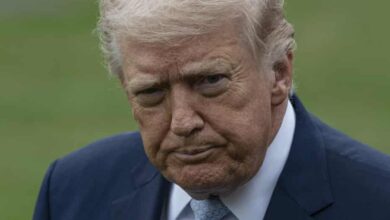
Trump, in turn, publicly criticized the Pope, with exchanges between the two drawing significant attention and reaction from both political and religious communities.
Critics of the funding decision argue that the move may be linked to these broader disagreements, suggesting it could signal a politicization of humanitarian partnerships.
They warn that withdrawing support from established service providers could have immediate consequences for vulnerable populations who rely on such programs.
However, supporters of the decision contend that federal contracts are subject to review and change based on policy priorities, budget considerations, or administrative restructuring. They maintain that the cancellation should be viewed within the broader context of government spending and program management, rather than as a targeted action against any religious group.
As reactions continue to unfold, the decision is likely to remain a focal point in discussions about the intersection of politics, religion, and public policy in the United States.