Nigeria’s ex-Presidential Spokesman, Segun Adeniyi, says “Iran is doing what Africa refused to do” freeing self from exploiters
By BASHIR ADEFAKA
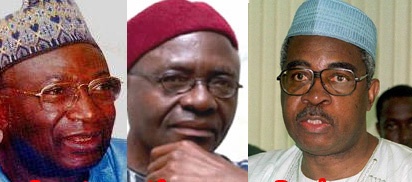

“But let’s ask an uncomfortable question: Why is Iran so determined to stand up to the West,’ he asked and also at the same time provided an answer saying, “Because Iran remembers its history. And Africa seems to have forgotten hers,” he worried.
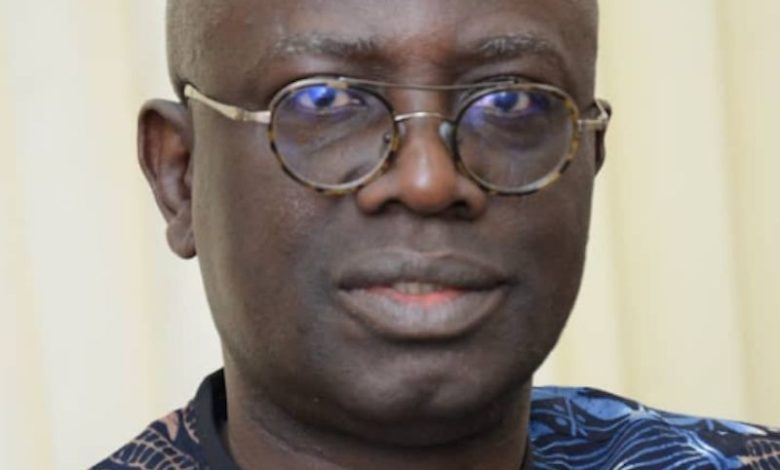
A recent opinion piece by Nigerian columnist and former presidential aide Segun Adeniyi has ignited discussion on social media, drawing comparisons between Iran’s political trajectory and Africa’s economic challenges.
In the commentary titled “IRAN IS DOING WHAT AFRICA HAS REFUSED TO DO: BREAK FREE FROM EXPLOITERS”, Adeniyi argues that Iran’s longstanding tensions with Western powers are rooted in historical grievances tied to control over its natural resources—particularly oil. He contrasts this with what he describes as Africa’s continued dependence on foreign interests.
The article revisits the 1908 discovery of oil in Iran, noting that control of the resource fell largely to the Anglo-Iranian Oil Company, now part of BP. According to the piece, much of the profit from Iran’s oil industry was directed abroad, with limited benefit to the Iranian population at the time.
In 1951, then–Prime Minister Mohammad Mossadegh moved to nationalize the country’s oil industry. The decision was met with resistance from Western governments, including economic sanctions.
Two years later, in 1953, Mossadegh’s government was overthrown in a coup widely attributed to the involvement of the Central Intelligence Agency (CIA) and Britain’s MI6. The operation, often referred to as the Operation Ajax, restored the rule of the Shah and restructured control of Iran’s oil industry among Western companies.
The commentary links these events to the 1979 Iranian Revolution, which replaced the monarchy with an Islamic Republic and marked a turning point in Iran’s foreign policy. Since then, Iran has faced international sanctions and diplomatic isolation but has also developed domestic industries, including advancements in science, technology, and defense.
Comparison With Africa
Adeniyi’s piece draws parallels between Iran’s past and Africa’s current economic structure, noting that many African nations remain reliant on exporting raw materials while importing finished goods. He highlights the continent’s vast reserves of oil, minerals, and other natural resources, arguing that much of their value continues to benefit foreign corporations.
Diverging perspectives
The commentary concludes by suggesting that Iran’s emphasis on self-determination—despite economic and political pressures—offers a contrast to Africa’s development path. However, analysts note that such comparisons are complex, as both Iran and African nations face distinct political, economic, and historical circumstances.
According to Segun Adeniyi, Nigeria’s ex-Presidential Spokesman during the administration of the late President Umar Musa Yar’Adua, “Many Africans insult Iran today. They say Iran is stubborn, aggressive, or anti-West. But let’s ask an uncomfortable question: Why is Iran so determined to stand up to the West,’ he asked and also at the same time provided an answer saying, “Because Iran remembers its history. And Africa seems to have forgotten hers,” he worried.
He continued by highlighting why the West is after Iran, “How the West Exploited Iran’s Oil. In 1908, massive oil reserves were discovered in Iran. But who controlled them? Not the Iranian people. A British company called the Anglo-Iranian Oil Company (AIOC)—today known as BP—ran Iran’s oil industry and took most of the profits. Iran had little control over its own resources. Imagine Nigeria’s oil being controlled entirely by foreigners. That was Iran’s reality.
“Iran Tried to Take Back Its Oil. In 1951, Iran elected a nationalist Prime Minister named Mohammad Mossadegh. His crime? He nationalized Iran’s oil industry so the wealth would benefit Iranians instead of foreign corporations. But Britain and the West refused to accept it. They imposed economic blockades and tried to destroy Iran’s economy.
“Sound familiar? The West Overthrew Iran’s Democracy. When sanctions didn’t work, the West chose another option:
“Regime change. In August 1953, the CIA and British intelligence (MI6) carried out a covert operation called Operation Ajax to overthrow Mossadegh. The coup removed Iran’s democratically elected government and restored the pro-Western Shah. Hundreds died during the coup. Even the CIA later admitted the operation was carried out as an act of U.S. foreign policy.
“Let that sink in: A democratic government was overthrown because it wanted control of its own oil.
“The West Took Back Iran’s Oil. After the coup, a 1954 oil consortium gave Western companies control of Iran’s oil again: 40% to American companies; 40% to British companies. The rest to European companies. Iran’s resources were once again divided among foreign powers. This is the exact model that operated across Africa.
“Why Iran Became Anti-Western Fast forward..In 1979, the Iranian Revolution overthrew the Western-backed Shah. The revolution was driven by one powerful idea: Independence from foreign domination. Since then, Iran has endured: Sanctions. Isolation. Economic warfare. Military threats.
“Yet the country still built: A domestic missile industry. A major scientific and nuclear research sector. One of the strongest military deterrence systems in the Middle East. Many analysts say Iran’s technological push became a symbol of sovereignty after decades of foreign exploitation.
“Compare That With Africa. Africa also has: Oil, Minerals, Rare earth resources, Gold, Lithium. The youngest population on earth. But who controls most of it?”
“On Foreign companies. Western corporations extract Africa’s resources while Africans export raw materials and import finished products. Exactly the system Iran tried to end in 1951. The Hard Truth Africans Don’t Want to Hear.
“Iran chose resistance. Africa chose dependence. Iran built domestic industries despite sanctions. Africa still imports: Refined fuel, Machinery even toothpicks. Iran invested in self-reliance. Africa invested in foreign approval.
“My final thoughts? You don’t have to agree with Iran’s politics. But one thing is undeniable:
Iran decided its destiny would not be written in Washington, London, or Paris.
Until Africa makes the same decision, our resources will keep building other people’s economies. And we will keep wondering why the richest continent on Earth remains poor,” said Adeniyi.
The piece has generated mixed reactions, with some readers agreeing with its call for greater economic independence, while others caution against oversimplifying geopolitical realities or overlooking internal governance challenges within African states.