Trump announces ceasefire, cites ‘productive talks with Iran’
Iran rejected the claims. A foreign ministry spokesperson said no talks had taken place since the US-led bombing campaign began 24 days ago, while state-linked media described reports of negotiations as “fake news.”
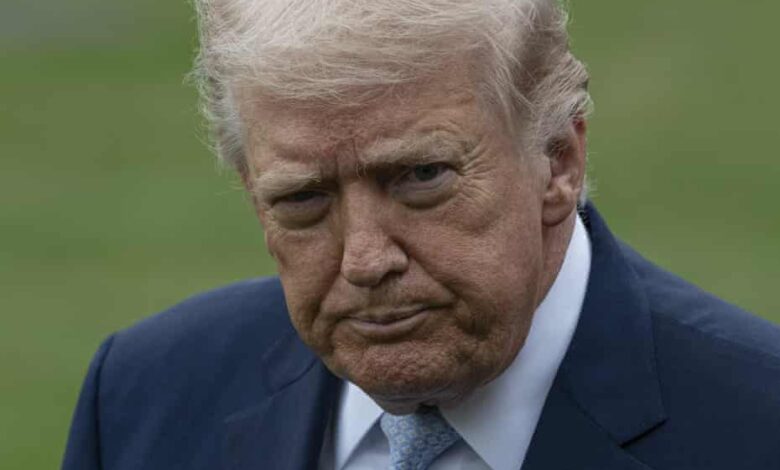
Donald Trump has extended a deadline for potential US military action against Iran by five days, claiming “very good and productive conversations” between the two sides—an assertion swiftly denied by Tehran.


Speaking on Monday, Trump said the United States and Iran had reached “major points of agreement” following recent discussions. He added that his Middle East envoy, Steve Witkoff, and adviser Jared Kushner held “very, very strong talks” with Iranian representatives.
“We’re giving it five days,” Trump said. “At the end of this period, it could very well end up being a very good deal for everybody.”
However, Iran rejected the claims. A foreign ministry spokesperson said no talks had taken place since the US-led bombing campaign began 24 days ago, while state-linked media described reports of negotiations as “fake news.”
The conflicting statements come amid escalating tensions in the Middle East. Over the weekend, Trump warned he would “hit and obliterate” Iran’s energy infrastructure if shipping through the Strait of Hormuz was not restored. Tehran responded with threats to target regional infrastructure and US-linked assets.
Diplomatic efforts involving countries such as Oman, Turkey, Egypt, and Pakistan are reportedly ongoing, though their impact remains unclear. Oman’s foreign minister said efforts were underway to ensure safe passage through the strategic waterway.
UK Prime Minister Keir Starmer confirmed that discussions were taking place and held a call with Trump on Sunday.
Despite talk of diplomacy, violence has continued across the region. US airstrikes targeted southern Iran, while Israeli forces launched new attacks in Tehran. Iran has also fired missiles toward Israel and warned of broader retaliation.
Trump declined to specify who the US was engaging with in Iran, stating only that talks were not being held with the current supreme leader, Mojtaba Khamenei.
The conflict, which began with a US-Israeli strike last month that killed senior Iranian leaders including Ali Khamenei (as reported), has raised fears of a wider regional war and global economic disruption. The Strait of Hormuz—through which roughly a fifth of global oil supply passes—has been effectively closed, rattling energy markets.
While Trump expressed optimism about a possible agreement, uncertainty remains high. Iranian officials have set conditions for any ceasefire, including the withdrawal of US forces from the Gulf and compensation for war damage—demands seen as unlikely to be met.
Analysts warn that even if shipping resumes, lasting damage to infrastructure and heightened security risks could prevent a return to normal operations.
More than 2,000 people have been killed since the conflict began, with the majority of casualties reported in Iran.