Debate rekindled over security record of Nasir El-Rufai in Kaduna State

By KEMI KASUMU


“You may dislike his style. You may criticize his policies. But you cannot deny that he confronted volatile areas head-on instead of managing headlines.”
Public discourse has resurfaced over the security situation in Kaduna State prior to and during the administration of former Governor Nasir El-Rufai, with supporters and critics offering sharply different interpretations of his legacy.
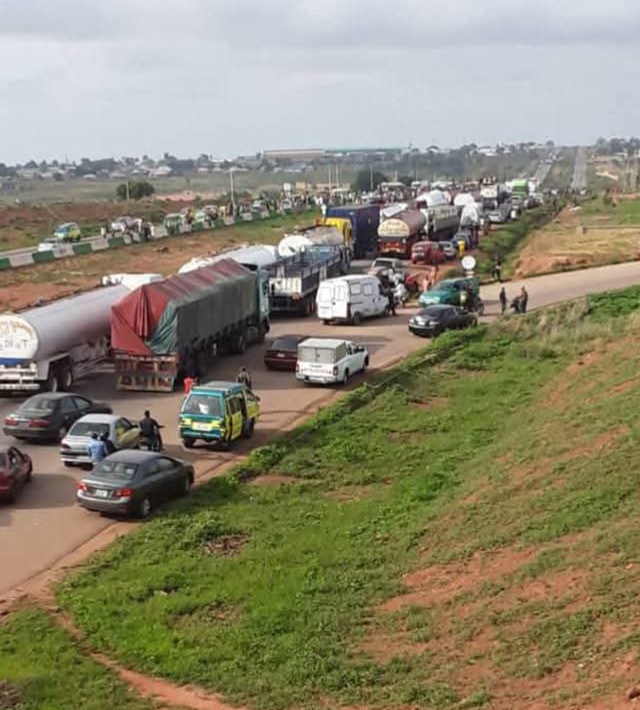
Observers recall a period when parts of the state, including the Gonin Gora axis along the Kaduna–Abuja highway, were frequently associated with communal unrest and security flashpoints. During episodes of violence, major roads were reportedly blocked, travelers subjected to profiling, and residents left in fear as tensions escalated. Families often waited anxiously for confirmation of safe arrivals amid uncertainty.
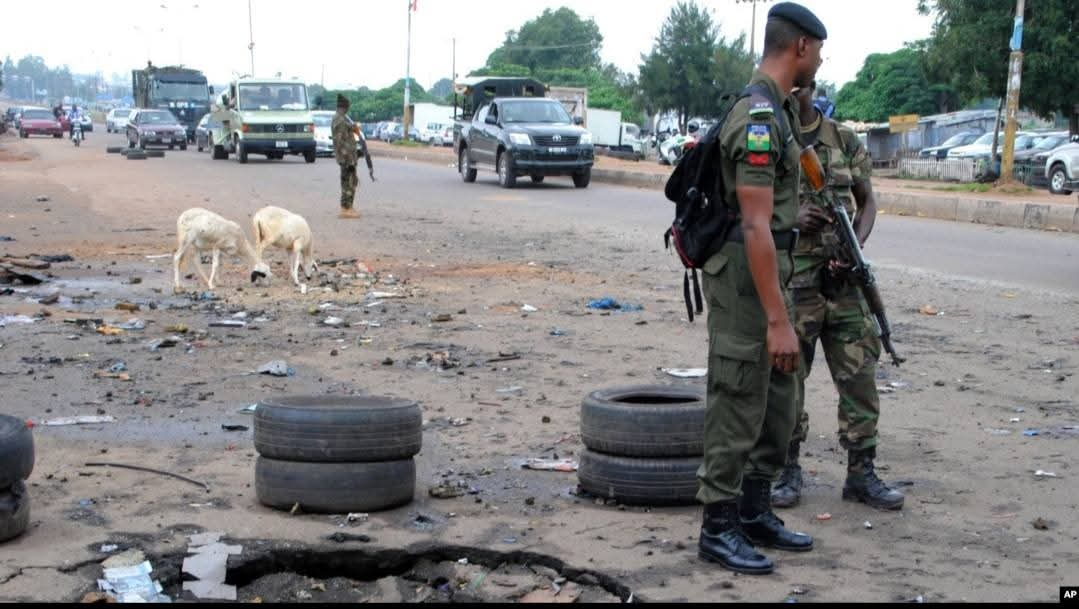
When El-Rufai assumed office in 2015, his administration signaled a shift in approach to security and governance. Officials emphasized enforcement of state authority, declaring that no individual or group would be allowed to override the law or obstruct public infrastructure. Security operations were intensified in volatile areas, and the government issued repeated warnings against acts such as highway blockages and mob actions.
Supporters argue that the administration’s hardline stance contributed to a visible decline in the practice of shutting down major roads during crises, asserting that government authority was reasserted in previously unstable areas. They credit the former governor with directly confronting longstanding flashpoints rather than downplaying them.
Critics, however, maintain that Kaduna’s security challenges remained complex and persistent throughout his tenure, pointing to ongoing incidents of communal violence and insecurity in parts of the state. They argue that while the tone of governance may have shifted, deeper structural issues required broader solutions.
As discussions continue, analysts note that Kaduna’s recent history reflects a complicated mix of policy decisions, enforcement strategies, and enduring communal tensions. With narratives competing for prominence, observers stress the importance of grounding public debate in verifiable facts rather than selective memory.
The renewed conversation underscores how interpretations of leadership often differ, particularly in regions shaped by protracted security challenges.
According to Zakariyya Ahmad Mai Saje, “Some people want us to pretend.
“Pretend that there was never a time when highways were blocked by angry mobs.
“Pretend that travelers were not profiled.
Pretend that families did not wait anxiously for phone calls confirming safe arrival.
But memory is not that short.
“Before Nasir El-Rufai, Kaduna State was battling deep-rooted communal violence. Certain flashpoints, including the Gonin Gora axis, were known nationwide for instability. During crises, roads were shut down. Vehicles were stopped. Innocent citizens became victims of circumstances they did not create.
“When leadership changed in 2015, the tone of governance changed too.
“The message was clear:
No community is above the law.
No mob can override the state.
No road belongs to a group.
“Security operations intensified. Enforcement became visible. Public warnings were not empty statements. Gradually, the culture of blocking highways during crises began to decline. Government authority re-established itself in places where it once appeared weak.
“You may dislike his style.
You may criticize his policies
“But you cannot deny that he confronted volatile areas head-on instead of managing headlines.
“Real leadership is not about applause.
It is about stepping into uncomfortable situations and restoring order.
“Kaduna’s story is complicated. But if we are going to judge yesterday, let us judge it honestly — not emotionally, not selectively.
“Because when facts are ignored, propaganda replaces truth.
“And history deserves better,” said Mai Saje.