Iran labels EU naval, air forces ‘terrorist organizations’ in reciprocal move
*IRGC Says EU Terror Designation Reflects Alignment With US Interventionist Policies*
By AGENCIES
The ministry argued that the IRGC is officially recognized as one of the pillars of Iran’s military structure and that its designation by the EU contravenes the principles of the United Nations Charter and international law.
Iran has designated the naval and air forces of all European Union member states as “terrorist organisations” in what it described as a reciprocal response to the bloc’s decision to blacklist the Islamic Revolutionary Guard Corps (IRGC).
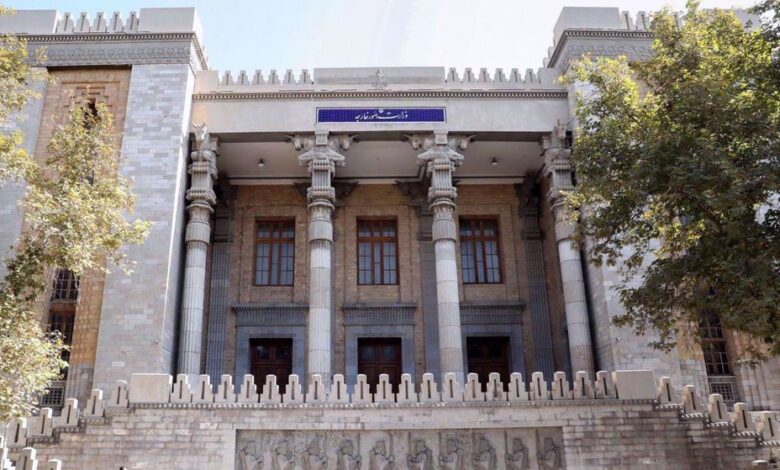
In a statement released on Saturday, the Ministry of Foreign Affairs of the Islamic Republic of Iran said the move followed what it called the EU’s “unlawful and unjustified” decision to label a branch of Iran’s Armed Forces as a terrorist entity.
The ministry argued that the IRGC is officially recognized as one of the pillars of Iran’s military structure and that its designation by the EU contravenes the principles of the United Nations Charter and international law.
Tehran said its action was based on the principle of reciprocity and in line with Article VII of a law passed by the Iranian Parliament in April 2019. The legislation mandates reciprocal measures against countries that support or align with the United States in designating the IRGC as a terrorist organization.
On Thursday, the European Union’s Foreign Affairs Council formally added the IRGC to its terrorist list following a political agreement reached on January 29. The designation subjects the IRGC to restrictive measures under the EU counterterrorism sanctions regime, including asset freezes within EU member states and a ban on EU entities providing funds or economic resources to the group.
The EU’s move came amid tensions over Iran’s handling of unrest in late December and early January. Iranian authorities have alleged that foreign-backed armed elements hijacked peaceful protests over economic grievances on January 8 and 9, leading to violence, destruction of public and private property, and attacks on mosques, clinics, ambulances and commuter buses.
Tehran has accused the United States and Israel of backing the unrest, claiming their intelligence agencies provided funding, training and media support to those involved—allegations Western governments have denied.
According to the EU, 13 individuals and 23 groups and entities are currently subject to restrictive measures under its terrorist sanctions framework.
Meanwhile, the IRGC said the EU’s decision reflects alignment with what it described as US “interventionist policies.”
In a statement dated February 1, the IRGC said the designation would not undermine its operations.
“Such moves will not only fail to weaken the resolve and missions of the IRGC but will instead strengthen internal cohesion and increase national determination to safeguard the country’s interests and security,” the statement said.