THE SULTAN’S RETURN: Day Sokoto erupted in joy as Monarch came home from vacation
By BASHIR ADEFAKA
For many in Sokoto, however, the Sultan’s return was more than ceremonial. It was a reaffirmation of a deep bond between a leader and his people—one that turned a routine homecoming into a powerful public celebration.
Sokoto witnessed an extraordinary outpouring of affection on Monday, March 16, 2026, as His Eminence Alhaji Muhammad Sa’ad Abubakar, the Sultan of Sokoto and spiritual leader of Muslims in Nigeria, returned to the ancient caliphate city after more than two months vacation.
CLICK HERE TO WATCH VIDEO OF RETURN
CLICK HERE TO WATCH VIDEO OF RETURN
CLICK HERE TO WATCH VIDEO OF RETURN
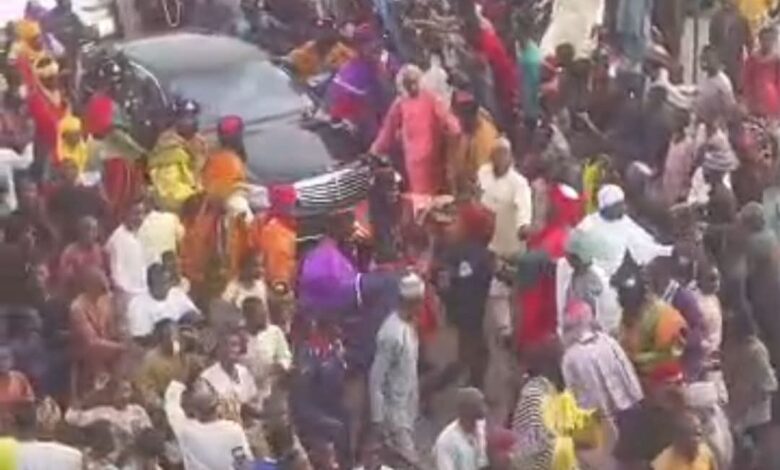
From the moment his aircraft touched down at the Sultan Abubakar III International Airport Sokoto at about 6:15 p.m., it was clear this was no ordinary homecoming. Thousands of residents had gathered hours earlier, forming a sea of humanity that stretched from the airport to the Sultan’s palace. Roads were lined with well-wishers—young and old—offering prayers for the monarch’s health and longevity.
The sheer size of the crowd slowed the Sultan’s convoy to a crawl, despite coordinated efforts by security personnel and palace officials to maintain order. Eyewitnesses described emotional scenes as admirers surged forward, eager for a glimpse of the revered leader whose influence spans religious, cultural, and national spheres.
The Sultan, who ascended the throne in 2006, has maintained a demanding schedule marked by national and international engagements. His recent absence—lasting over 60 days—was part of a long-planned vacation, combined with a spiritual journey. During his time away, he visited the holy cities of Makkah and Madinah, where he performed the lesser pilgrimage, Umrah, and offered prayers for Nigeria, its leaders, and the Muslim Ummah.
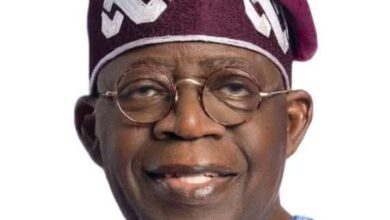
Before returning to Sokoto, the monarch made a private stop in Abuja, where he met with President Bola Ahmed Tinubu at the Presidential Villa.
Back in Sokoto, the reception underscored a rare phenomenon in public life—the enduring popularity of a traditional ruler within his own domain. In a country where the saying “a prophet is not without honour except in his hometown” often rings true, the Sultan’s relationship with his people appears to defy that notion.
Sources within the Sultanate revealed that the monarch was visibly moved by the overwhelming show of loyalty. At moments during the procession, he appeared emotional, acknowledging the cheers and prayers of the crowd with quiet gratitude.
He was accompanied on the trip by two of his children, Amir and Walid. Palace insiders also clarified that his travel followed a longstanding personal routine—an end-of-year break followed by Umrah at the onset of Ramadan—dismissing rumours that his absence was due to health concerns or political tensions.
In his absence, the responsibility of announcing the commencement of Ramadan fell to the Shehu of Borno, Abubakar Ibn Umar Garbai El-Kanemi, reflecting the continuity of religious leadership structures within the country.
For many in Sokoto, however, the Sultan’s return was more than ceremonial. It was a reaffirmation of a deep bond between a leader and his people—one that turned a routine homecoming into a powerful public celebration.