Outcry over AI-generated photos in voters’ register as INEC begins probe
By KEMI KASUMU

An audio tape circulated across WhatsApp groups from Ondo State also raised the alarm over what the voice called an AI machine station in the palace of the Oba of Aiyede Ogbese, in Akure North Local Government Area of Ondo State using it to generate voter registration for people in the area and calling it INEC document. “We have witnessed strange electoral malpractices since May 29, 2023, which we have never seen in the history of democracy Nigeria. Let them be told that 2027 will be the year of Nigerians versus the ruling class,” a reaction to the audio said.
Outcry has greeted alleged artificial intelligence (AI)-generated photographs and other questionable records in the preliminary voters’ register published by the Independent National Electoral Commission (INEC), prompting the commission to launch an investigation.
The controversy has raised concerns about the integrity of Nigeria’s voter registration system ahead of the 2027 general elections, with Nigerians demanding explanations over how suspicious photographs and alleged duplicate identities entered the register.
In a statement on Tuesday October 27, 2026, the Chairman of INEC’s Information and Voter Education Committee, Mohammadu Kudu Haruna, said the Commission was examining the circumstances surrounding the suspicious photographs, including possible technical or procedural lapses.
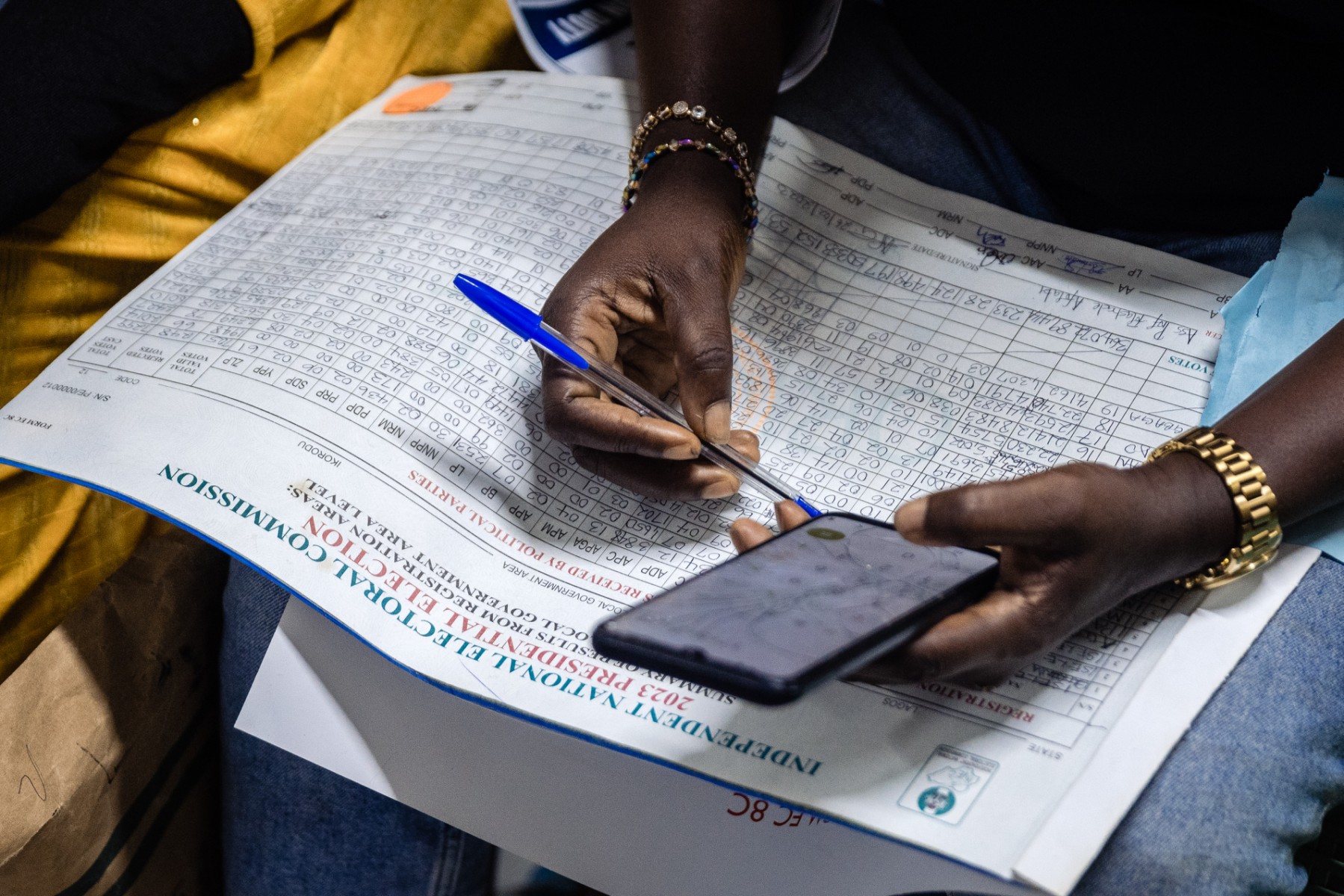
INEC also disclosed that it had identified and flagged questionable registration records during the physical display of the preliminary register at Registration Areas nationwide from October 9 to 15.
According to the commission, the register uploaded to its website on October 26 was the same preliminary register displayed physically during the exercise and did not reflect all ongoing data-cleanup activities.
The controversy followed the circulation of screenshots on social media purportedly showing questionable photographs attached to voter records in parts of Edo State.
A social media user identified as Decosule shared screenshots allegedly obtained from Ward 11 in Etsako West Local Government Area and Udomi in Esan Central Local Government Area, questioning how the photographs found their way into INEC’s database.
The user also sought clarification on who conducted the registration and image-capturing exercises and whether Permanent Voter Cards (PVCs) linked to the disputed records had been collected.
The National Democratic Congress (NDC), in a post on X, called on INEC to explain the appearance of alleged AI-generated images in the voters’ register for polling units in Ward 11, Etsako West Local Government Area.
The party questioned who introduced the images into the register, who conducted the registration exercise and whether the individuals associated with the disputed records had collected their PVCs.
“Who infused AI generated images in the register?” the party asked, demanding answers from the electoral commission.
The NDC also alleged that the voters’ register had been inflated ahead of the 2027 elections, warning against any attempt to manipulate the electoral process.
“Our country’s voter register is inflated already before the election. We will resist any attempt to rig the 2027 election,” the party stated.
Political economist and NDC chieftain, Professor Pat Utomi, also criticised the reported anomalies, calling on INEC to explain how such images could appear in a register intended to support the country’s electoral process.
Utomi warned that the allegations raised serious questions about verification, transparency and accountability, adding that public confidence in the electoral system was at stake.
An audio tape circulated across WhatsApp groups from Ondo State also raised the alarm over what the voice called an AI machine station in the palace of the Oba of Aiyede Ogbese, in Akure North Local Government Area of Ondo State using it to generate voter registration for people in the area and calling it INEC document.
“We have witnessed strange electoral malpractices since May 29, 2023, which we have never seen in the history of democracy Nigeria. Let them be told that 2027 will be the year of Nigerians versus the ruling class,” a reaction to the audio said.
Other social media users raised concerns about alleged duplicate records and missing names.
An X user identified as @eleniyanofcve claimed that the registration system had flagged another record bearing the same names, date of birth, state and National Identification Number (NIN) as theirs, but with a different photograph, gender and local government area.
The user alleged that registration officials proceeded with the exercise after promising that the discrepancy would be corrected. However, subsequent checks reportedly failed to show the user’s name on the online register.
Another user, Oluwakemi Oyefeso, who posts as @i_am_agbeke on X, also complained that her name was missing from the register while an alleged duplicate record containing her official name, NIN and other personal details remained listed.
INEC: Preliminary Register Not Final
Responding to the concerns, INEC stressed that the preliminary voters’ register was not the final certified register.
The Commission explained that the Display, Claims and Objections exercise was designed to enable citizens to identify inaccuracies and irregularities and ensure that necessary corrections were made before the register was certified.
Haruna said, “The Commission wishes to clarify that the register published online on 26 October 2026 is the same preliminary register physically displayed at Registration Areas (RAs) nationwide from 9th to 15th October 2026 as part of the Display, Claims and Objections exercise.
“During the physical display, several questionable registration records were identified and flagged for further examination. The Commission commenced the process of reviewing these records and taking appropriate corrective action in accordance with established procedures.
“The online publication represents the original preliminary register and does not reflect all ongoing data-cleanup activities.
“It is important to emphasise that the preliminary register is not the final certified register. The Display, Claims and Objections exercise is specifically intended to facilitate public scrutiny, identify inaccuracies and irregularities, and enable appropriate corrections before certification.”
The commission added that its review would guide further corrective action in line with established procedures, assuring Nigerians that appropriate steps would be taken based on verified findings.
“The Commission is also examining the circumstances surrounding the suspicious photographs, including possible technical or procedural lapses, and will take appropriate action based on verified findings,” Haruna said.
He assured Nigerians that INEC would complete the necessary verification, adjudication and data-cleanup processes before certifying the final Register of Voters on December 15, 2026.