{OPINION} While ADC Cannot Justifiably Be Disqualified, APC Looks More Likely to Enter 2027 Without a Presidential Candidate
By ABANIKANDA OLUMORO (UK)


If the APC is confident in its candidate, it should allow Nigerians to decide. The ADC, like every other legally qualified political party, deserves the same democratic opportunity.
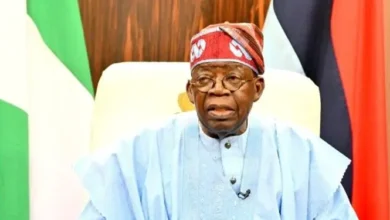
Surprisingly, President Bola Ahmed Tinubu appears to be proving many Nigerians right in their predictions of what his administration would look like. From the perceived empowerment of political street groups, popularly known as agberos, to concerns that some of their members wield more influence and exercise greater authority than constitutionally recognised security agencies, particularly in Lagos State and now across the country, questions continue to arise about the administration’s commitment to democratic values and the rule of law.
Without unnecessary diversion, I want to make one point clear: the All Progressives Congress (APC), not the African Democratic Congress (ADC), looks more likely to enter the 2027 presidential election without a credible presidential candidate.
This is not because the APC lacks a national chairman or secretary. Rather, the controversies surrounding President Tinubu, including allegations relating to certificate forgery, drug-related records and money laundering, raise serious questions about his suitability to continue seeking the highest political office in the world’s most populous Black nation, Nigeria.
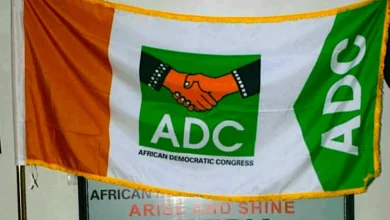
On the ADC controversy, the first point to establish is that Nafiu Gombe, who instituted the legal action against the David Mark-led National Executive Council, has since left the party. Secondly, the dispute originated from an internal party matter.
Justice Musa S. Liman of the Federal High Court, Abuja, had earlier ruled that the court lacked jurisdiction to entertain the dispute, given the legal restrictions on judicial interference in the internal affairs of political parties. The judgment affirmed David Mark as the recognised National Chairman and Rauf Aregbesola as National Secretary of the ADC.
The question, therefore, is how another judge of the same Federal High Court could subsequently issue a decision that appears to contradict the earlier position. Justice Peter O. Lifu’s judgment has consequently generated serious questions about judicial consistency, jurisdiction and the protection of democratic institutions.
One of Nigeria’s greatest democratic problems is that while some political actors allegedly employ undemocratic methods to acquire or retain power, their opponents are expected to rely exclusively on democratic institutions to correct the wrongs. This becomes particularly troubling when the impartiality of those institutions is itself being questioned.
Consider the sealing of the ADC secretariat in Sokoto State. The party’s members eventually forced their way into the premises ahead of their presidential campaign flag-off, arguing that the police had no court order authorising the closure in the first place. Their action was premised on the argument that an unlawful restriction could not acquire legitimacy simply because it was imposed by security operatives.
The greater danger to Nigeria’s democracy is a situation in which those who allegedly manipulate the electoral process arrogantly tell aggrieved opposition parties to go to court, while the opposition questions whether the judicial process is free from political influence.
The ADC, therefore, has no justifiable reason to be excluded from the 2027 presidential ballot merely because of the disputed Lifu judgment. The reported celebration of the decision by Aviation Minister Festus Keyamo (SAN) has further fuelled suspicions of political involvement. The United States lobbying firm, Von Batten-Montague-York, has also reportedly drawn the attention of President Donald Trump and the US Congress to developments surrounding the ADC dispute.
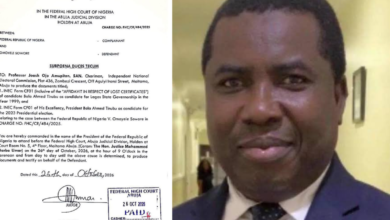
Meanwhile, another significant legal development concerns a court order reportedly directing the Independent National Electoral Commission (INEC) to produce Tinubu’s election records covering 1999 and 2023 in connection with a case involving activist Omoyele Sowore.
The disclosure of those records could reopen public scrutiny of longstanding controversies surrounding the President’s academic credentials and eligibility. However, the allegations must ultimately be determined through credible judicial proceedings.
Ultimately, Nigeria cannot claim to be practising democracy while applying different standards to the ruling party and the opposition. If the law is supreme, it must be supreme for everybody.
The 2027 election should be determined by Nigerians at the ballot box, not by political manoeuvres, questionable judicial interventions or institutional intimidation.
If the APC is confident in its candidate, it should allow Nigerians to decide. The ADC, like every other legally qualified political party, deserves the same democratic opportunity.
Disclaimer: Opinions expressed in this article are entirely those of the author and not of The DEFENDER Newspaper.