MURIC demands reopening of mosque at Army’s Mogadishu Cantonment in Abuja
By KEMI KASUMU


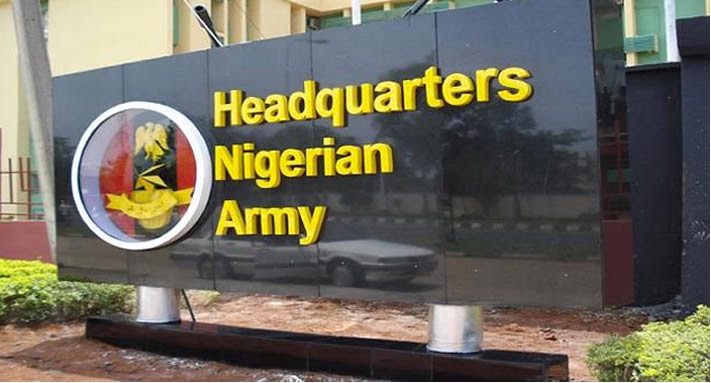
The Muslim Rights Concern (MURIC) has called on the Nigerian Army to immediately reopen a daily prayer mosque at Mogadishu Cantonment in Abuja, alleging that the facility has been closed since October 12, 2026.
The Islamic human rights organisation also urged the military authorities to explain the reasons for the closure, warning that the action could infringe on the right to freedom of worship.
MURIC’s Founder and Executive Director, Professor Ishaq Akintola, made the demand in a press statement dated October 20, 2026.
According to Akintola, the closure has disrupted daily prayers for Muslim military personnel, their families and civilian staff residing or working in the affected area of the cantonment.
He argued that the mosque serves worshippers who need convenient access to a place of prayer five times daily, as prescribed by Islam.
“As a daily prayer mosque, this closure implies serious disruption of the daily prayers of Muslim soldiers and civilians who, ceteris paribus, should observe their prayers there five times daily as required by the dictates of Islam,” he said.
The MURIC director cited Qur’an 4:103, which emphasises the observance of prayers at prescribed times, arguing that closing a mosque without the approval of its congregation could amount to denying worshippers access to a place of religious observance.
He further argued that the alleged closure contravenes Section 38(1) of the 1999 Constitution of the Federal Republic of Nigeria, which guarantees freedom of thought, conscience and religion.
“We therefore demand the immediate reopening of the mosque or the provision of convincing and incontrovertible reasons for such closure. Continued closure without any explanation will amount to impunity,” Akintola stated.
He maintained that all public institutions, including the military, should be accountable for their actions in a democratic society.
“Democracy is not a respecter of any institution, no matter how powerful. Even the army must be held accountable in a democracy,” he added.
MURIC also questioned why the daily prayer mosque was allegedly closed while two churches within the same cantonment remained open and operational.
According to the organisation, Muslim worshippers find the cantonment’s Central Mosque inconvenient for daily prayers because of its distance from their residential areas.
Akintola said the closure had forced Muslim personnel, their families and civilian workers in the affected vicinity to travel farther to observe their obligatory prayers.
He stressed that military personnel, despite the demands of their profession, also required opportunities to meet their spiritual needs.
“Even soldiers are still human beings, and man is body, soul and spirit. Our soldiers still need to regularly communicate with their Creator in order to spiritually complement their physical, material and social needs,” he said.
The MURIC director argued that access to places of worship should be considered alongside the physical and operational needs of military personnel, adding that spiritual well-being could complement their responsibilities in defending Nigeria’s territorial integrity.
The organisation consequently appealed to the authorities of Mogadishu Cantonment to reopen the mosque to enable Muslim personnel, their families and civilian staff to observe their daily prayers without unnecessary difficulty.
As of the date of MURIC’s statement, the organisation’s allegations and demands had not been responded to by the Nigerian Army.