Israel raises concerns over Iran’s use of cluster bombs in US-Israel made war
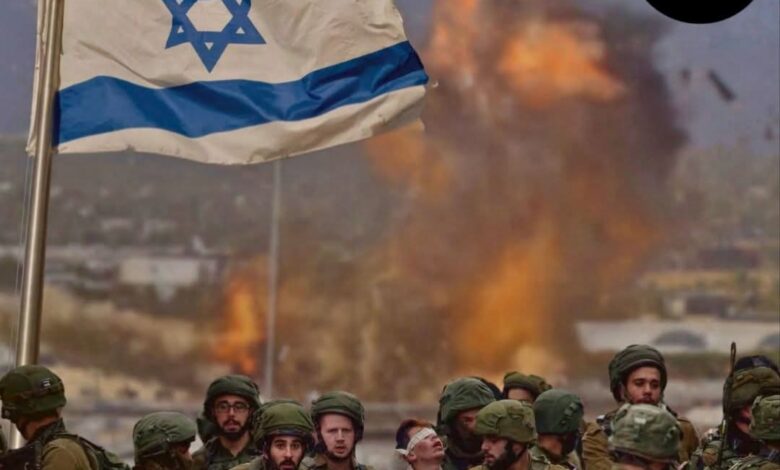
But the questions many watchers of events regarding the US-Iran made war are asking are as to whether or not Israel that is now complaining would not use same cluster bombs if it had the opportunity.
Growing tensions between Israel and Iran are drawing renewed attention to the potential use of controversial cluster munitions in modern warfare.
According to statements attributed to the Israeli military, Iran may have deployed missiles equipped with cluster-style warheads during recent strikes. These weapons release dozens of smaller explosive submunitions over a broad area, significantly increasing the risk of widespread damage, particularly in populated regions.
Cluster munitions have long been criticized by humanitarian organizations because of the danger they pose to civilians. A significant number of the submunitions often fail to detonate upon impact, remaining on the ground as unexploded ordnance. These hidden explosives can injure or kill civilians months or even years after hostilities end.
The allegations have not yet been independently verified, but the reports underscore the escalating intensity of the confrontation between Israel and Iran. Analysts warn that the deployment of such weapons—if confirmed—could heighten humanitarian concerns and further complicate efforts to protect civilians in conflict zones.
But the questions many watchers of events regarding the US-Iran made war are asking are as to whether or not Israel that is now complaining would not use same cluster bombs if it had the opportunity.
It will be recalled how Israel Mosad agents were allegedly arrested by Saudi Arabian authorities in what was linked to the bombing of the Kingdom’s oil field trying to out the blame on Iran. However, Iran had immediately denied responsibility for the bombing but confirmed it only had business destroying America military bases and assets in any Middle East country and had urged Saudi Arabia, United Arab Emirates, and others to chase America away from their affairs saying both US and Israel are not any good friend.
As the situation continues to develop, the debate over the humanitarian consequences of advanced weaponry is again at the forefront. Modern conflicts, experts note, increasingly leave long-lasting hazards that extend far beyond the battlefield and long after fighting stops.