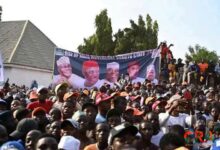
APC supporters’ attacks on ADC campaign convoy damage Nigeria’s democratic image, as Amnesty condemns violence in Kebbi

*Rights group says armed gangs wielding cutlasses and machetes attacked opposition members, destroyed vehicles and journalists’ equipment
*Accuses security agencies of failing to protect citizens exercising their democratic rights
By OUR REPORTER

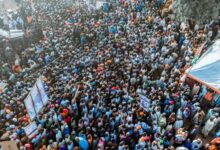
The destruction of journalists’ equipment is particularly troubling, as it raises additional concerns about press freedom and the ability of media professionals to independently document political activities without intimidation or attacks.
Amnesty International has strongly condemned the violence unleashed on campaign convoys of the African Democratic Congress (ADC) in Kebbi State on Thursday, November 5, 2026, warning that recurring attacks on opposition members are damaging Nigeria’s democratic credentials and creating an atmosphere of fear and intimidation.
The condemnation followed reports of attacks on the ADC presidential campaign convoy led by former Vice-President Atiku Abubakar, with suspected political thugs allegedly assaulting opposition supporters, destroying vehicles and attacking journalists covering the campaign.
In a statement published on its official X handle, the international human rights organisation said video footage it analysed showed armed gangs attacking vehicles in the convoys, assaulting people with cutlasses and blocking roads.
“Footages we analysed show armed gangs carrying weapons attacking vehicles in the convoys, striking people with cutlasses and blocking roads.
“One of the footages from Argungu, shows opposition members being hunted by thugs; beaten severely — and their vehicles destroyed,” the organisation stated.
It further disclosed that, apart from direct attacks involving knives and machetes, the suspected political thugs pelted vehicles with bottles and stones and specifically targeted members of the media teams accompanying the campaign.
“Cameras and other gadgets of media teams were destroyed,” Amnesty International added.
Expressing concern over the implications of the attacks for Nigeria’s democratic process, the organisation described the incidents as part of an increasingly brutal campaign of repression against opposition parties and their supporters.
“Clearly, a brutal campaign of repression against the opposition and its supporters is increasingly making it extremely difficult for them to exercise their rights to freedom of association and peaceful assembly,” it said.
Amnesty International noted that the Kebbi incident occurred only days after similar bloody attacks on ADC campaign activities in neighbouring Sokoto State, describing both developments as part of a troubling pattern of violence against opposition members in different parts of the country.
It stressed that no Nigerian should lose their life or suffer violence simply for participating in peaceful political activities.
The organisation also accused Nigerian authorities of failing to ensure accountability for similar attacks and atrocities reported in several states, including Niger, Kaduna, Edo and Enugu.
According to Amnesty International, investigations it conducted into previous incidents revealed that security agencies failed to discharge their responsibilities to prevent or stop the attacks and protect citizens exercising their right to freedom of association.
It warned that the continued targeting of opposition parties and their supporters was undermining democracy and creating what it described as a toxic climate of fear and violence across the country.
“The ongoing political repression targeting opposition parties nationwide undermines democracy and creates a toxic climate of fear and violence,” the organisation declared.
In drawing attention to the situation, Amnesty International tagged President Bola Ahmed Tinubu, the Nigeria Police Force and the Department of State Services (DSS), urging the authorities to take responsibility for addressing the worsening security situation confronting opposition political activities.
The latest condemnation has further intensified concerns about the safety of political campaigners, opposition supporters and journalists as political activities gather momentum ahead of the 2027 general elections.
The destruction of journalists’ equipment is particularly troubling, as it raises additional concerns about press freedom and the ability of media professionals to independently document political activities without intimidation or attacks.
The incidents also place renewed responsibility on the relevant security authorities to ensure that political parties, regardless of their affiliations, can freely organise rallies, mobilise supporters and campaign for votes without fear of violence.